
Odorous House Ant Control in Southwest Michigan, Indiana and the Greater Louisville Region
Have you noticed a steady line of tiny ants making their way across your kitchen counter, into your pantry, or around your pet’s food bowl? If so, you could be dealing with odorous house ants, one of the most common nuisance ant species found throughout the Midwest.
These small ants get their name from the strong odor they release when crushed, often described as smelling like rotten coconut or blue cheese. While they don’t damage wood like carpenter ants, odorous house ants can quickly become a frustrating problem because their colonies often contain multiple queens and several adjacent nests, making them difficult to eliminate without a comprehensive treatment approach.
At Franklin Pest Solutions, we’ve been protecting homes throughout Southwest Michigan, Indiana and the Greater Louisville region since 1929. Our experienced pest management professionals identify the source of the infestation and create customized treatment plans designed to eliminate active colonies while helping reduce future ant activity.
How to Identify Odorous House Ants
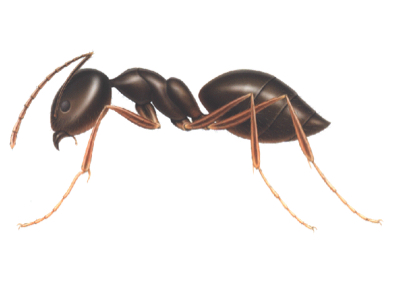
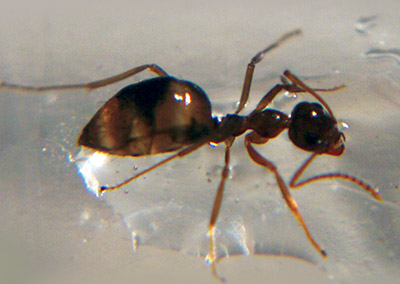
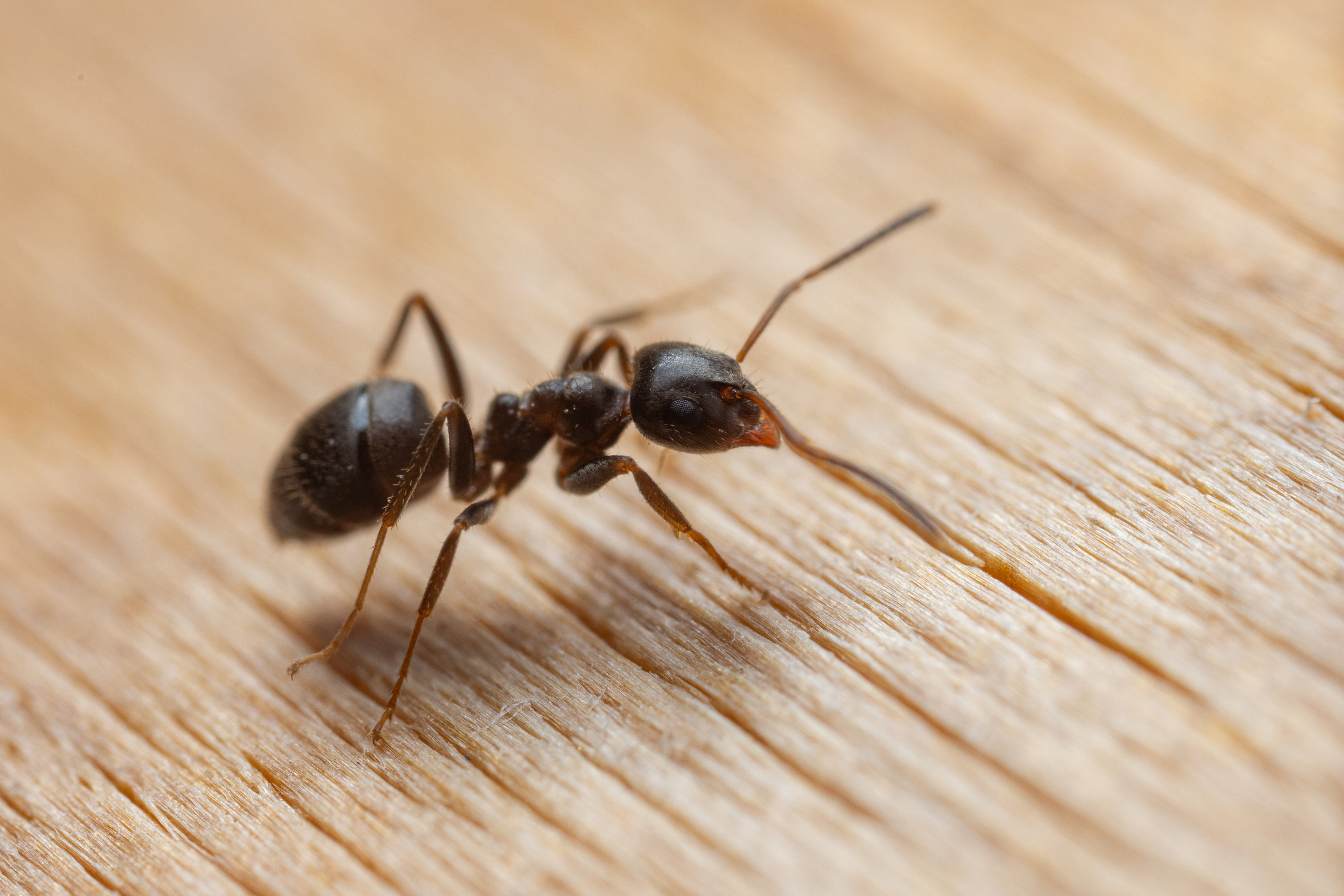
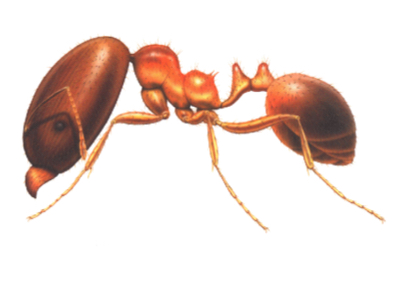
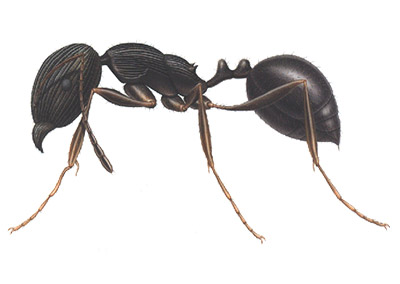
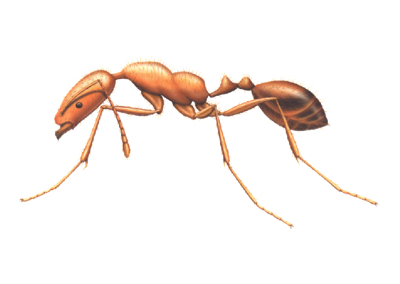
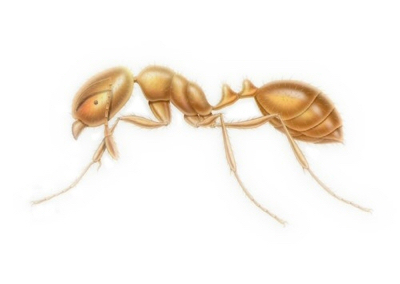
Odorous house ants are frequently mistaken for other small, dark-colored ants, making proper identification important before treatment begins.
Appearance
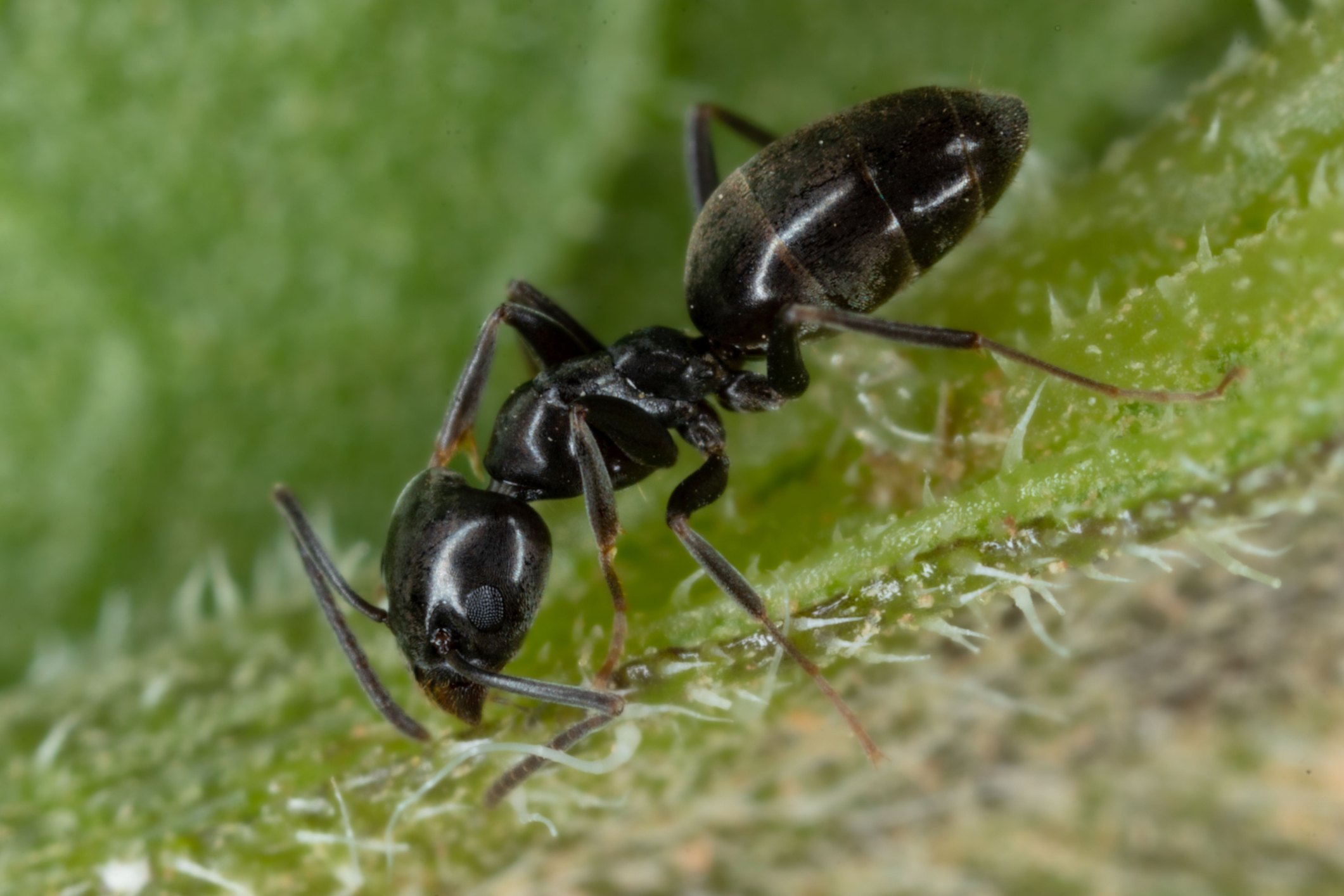
- About 1/8 inch long
- Dark brown to black in color
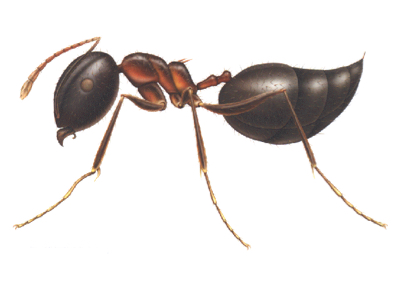
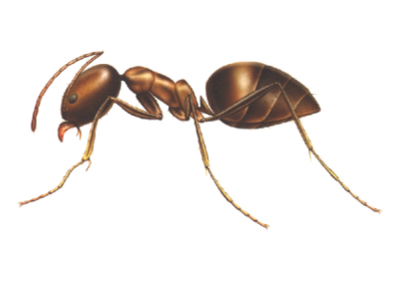
- One small connecting nub that’s difficult to see between the middle and rear sections of the body
- Uneven profile when viewed from the side
- Produces a rotten coconut-like odor when crushed
Because these ants resemble several other species, professional identification helps ensure the most effective control strategy.
Is This Your Critter?
Maybe it is, maybe it isn’t. We can handle the identification and get you a solution to your problem quickly.
Get a remedy now. Send a message!

Where Do Odorous House Ants Nest?
Odorous house ants are extremely adaptable and readily establish colonies both outdoors and inside structures.
Outdoor nesting sites commonly include:
- Beneath mulch
- Under decorative stones
- Inside landscape timbers
- Beneath firewood piles
- Around tree stumps
- Under pavers and sidewalks
- Along foundations
- Under fallen branches or logs
Once indoors, they often settle in protected areas such as:
- Wall voids
- Beneath flooring
- Around plumbing
- Behind kitchen cabinets
- Near water heaters
- Around insulation
- Window and door frames
Rather than remaining in one location, colonies frequently relocate or create additional nests when food or moisture conditions change.


What Do Odorous House Ants Eat?
Odorous house ants are opportunistic feeders whose preferences shift throughout the year based on what foods are available.
Common food sources include:
- Candy
- Syrup
- Honey
- Fruit
- Soft drinks
- Jelly or jam
- Grease
- Pet food
- Dead insects
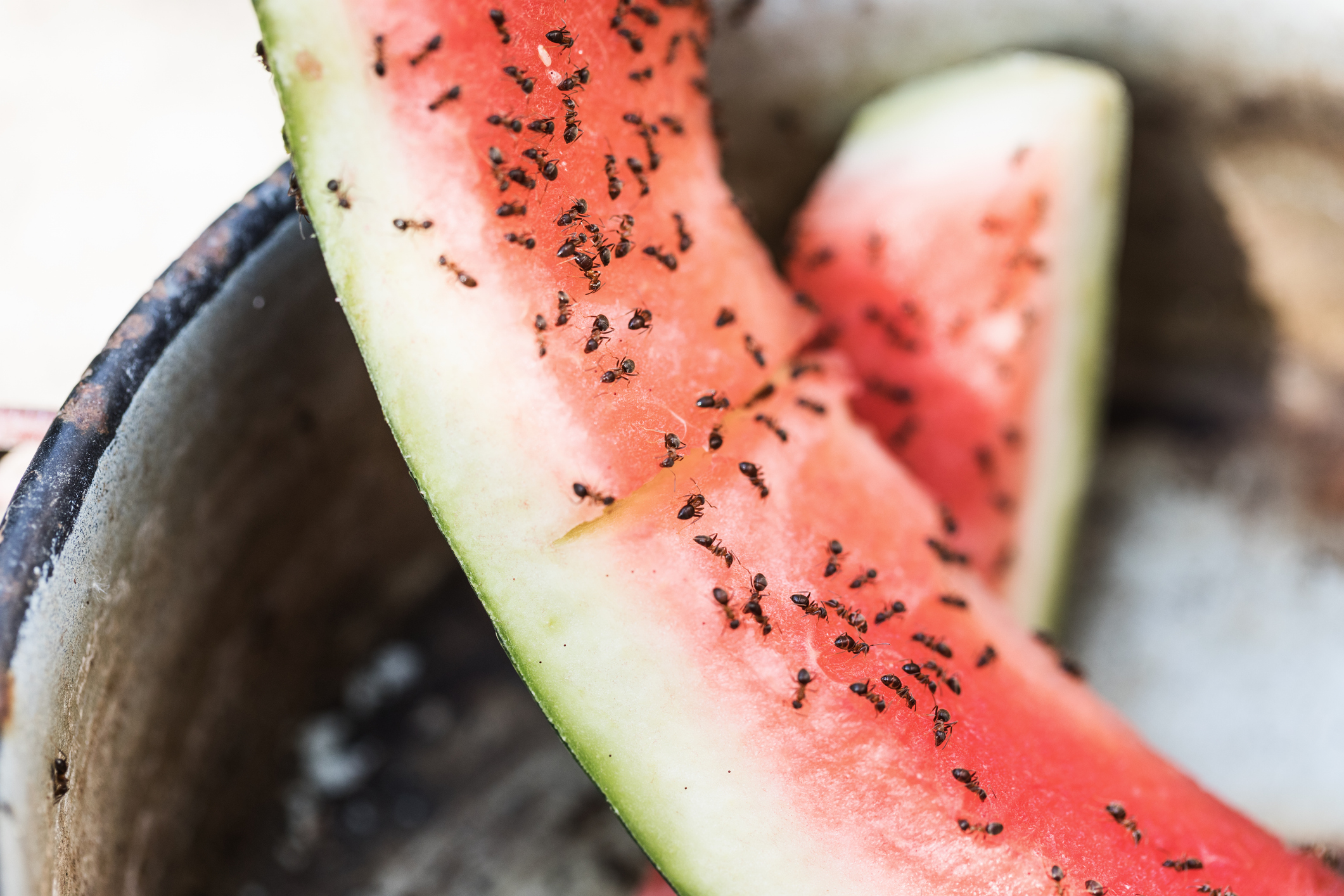
Outside, they also feed heavily on the sugary waste, or honeydew, produced by aphids and scale insects living on shrubs and trees.
Why Are Odorous House Ants Inside My Home?
Most infestations begin when worker ants locate food or moisture around your property.
Common attractants include:
- Crumbs beneath appliances
- Sticky countertops
- Unsealed pantry foods
- Leaking pipes
- Pet food left out
- Standing water
- Damp crawl spaces
- Overripe fruit
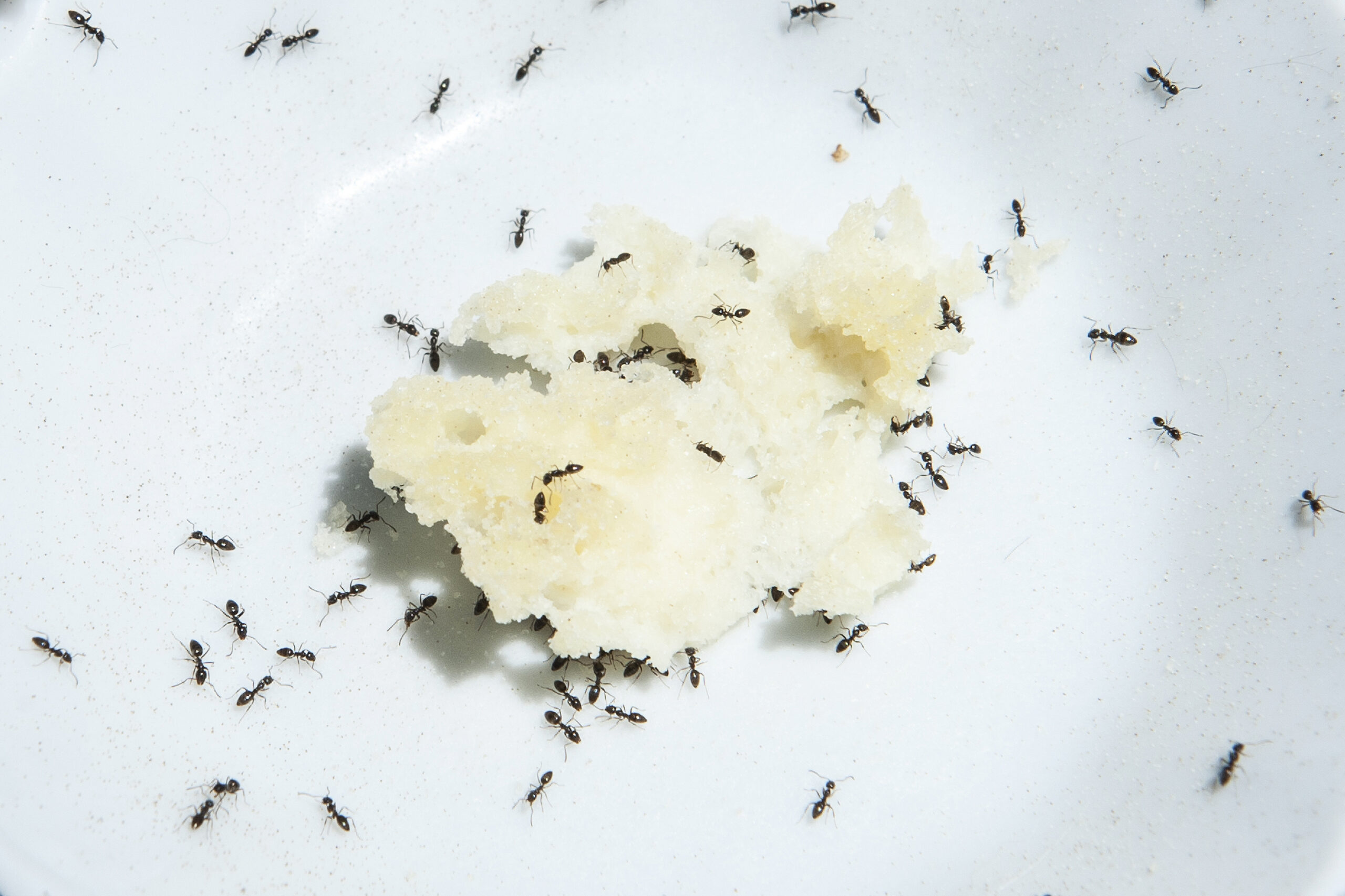
After locating a food source, workers lay down pheromone trails that direct the rest of the colony to the same location. Because many colonies contain several queens, eliminating only the visible ants rarely solves the problem.
Frequently Asked Questions
Do odorous house ants bite?
They are not known to bite people and do not have stingers either. Odorous house ants are not considered medically important. Most homeowners experience them as nuisance pests rather than a health concern.
Why are they called odorous house ants?
When crushed, these ants release chemicals that produce a strong smell often compared to rotten coconut, blue cheese, or a musty odor. This distinctive scent is one of the easiest ways to identify the species. It’s their only defense.
Can odorous house ants damage my house?
No. Unlike carpenter ants, they do not tunnel through wood or cause structural damage. Their primary concern is contaminating food and becoming persistent indoor pests.
Why do they keep coming back?
Colonies often contain multiple queens and several nesting sites. Killing only the ants you see leaves the rest of the colony and queens intact, allowing activity to continue. Colonies will bud if threatened with repellent products. Professional identification and colony-targeted treatments are much more effective.
Are odorous house ants dangerous?
They are not considered dangerous to people or pets, but they can contaminate food surfaces and become difficult to manage if colonies continue expanding indoors.
When are odorous house ants most active?
Outdoor activity is greatest from spring through early fall. However, heated homes allow infestations to remain active indoors throughout the year. Workers are always actively foraging during the day and in the evening.
Schedule Odorous House Ant Control with Franklin Pest Solutions
Don’t let a trail of ants turn into a year-round frustration. If you’ve noticed odorous house ants inside your kitchen, bathrooms, basement, or pantry, Franklin Pest Solutions can help get to the root of the problem.
Since 1929, we’ve helped homeowners throughout Southwest Michigan, Indiana and the Greater Louisville region solve ant problems with customized pest management solutions tailored to each property.
Contact Franklin Pest Solutions today to schedule an inspection and learn how our professional odorous house ant control services can help protect your home.

Odorous House Ant FAQs
What Is an Odorous House Ant?
The odorous house ant earns its moniker from the pungent odor akin to rotten coconut emitted when crushed. These diminutive brown ants typically measure between one-sixteenth to one-eighth of an inch in length.
How Can We Prevent Odorous House Ants?
These pests are drawn to moisture, making the elimination of standing water paramount in prevention efforts. Additionally, trimming tree branches and plants away from the house can deter their entry, as they often utilize these avenues. Seal cracks or openings around the foundation and store firewood and building materials away from the home, as odorous house ants are prone to nesting in wood stacks.
What Are Some Habits of Odorous House Ants?
Odorous house ants have a penchant for sweets, particularly honeydew, and exhibit a habit of relocating their nests approximately every three months, often in response to rainfall.
What Habitats Do Odorous House Ants Prefer?
Indoors, odorous house ants seek out moisture-rich environments, nesting near hot water pipes, heaters, leaky fixtures, or within wood damaged by termites. Outdoors they commonly inhabit exposed soil or reside beneath piles of firewood.
What Are Some Threats Posed by Odorous House Ants?
While odorous house ants do not pose significant public health risks, they can contaminate food sources and should be avoided. Upon detecting their presence, seeking assistance from ant pest control specialists is advised.
How Can I Address Odorous House Ant Infestations?
Suspecting an odorous house ant infestation warrants immediate action by contacting a licensed pest control professional. Through a comprehensive inspection, the extent of the infestation can be determined, facilitating the implementation of appropriate control measures.
What Are the Signs of an Odorous House Ant Infestation?
Look for trails of ants moving back and forth from food sources, especially sweets or sugary substances. Another telling sign is the observation of tiny brown ants in the kitchen or bathroom, attracted by moisture and food remnants.
Can Natural Remedies Be Effective Against Odorous House Ants?
Natural remedies, such as vinegar solutions or peppermint oil, can sometimes deter ants due to their strong scents that mask the trails ants use to communicate. However, these are often temporary solutions and may not eliminate the nest or source of the infestation.
How Often Should I Inspect My Home for Signs of Ants?
It is wise to conduct thorough inspections seasonally, particularly in the spring and summer when ant activity increases. Pay special attention to areas where moisture accumulates and food is stored.
Do Odorous House Ants Cause Structural Damage to Homes?
Unlike carpenter ants, odorous house ants do not typically cause structural damage to homes. However, their persistent search for food and water can lead to nuisances in living spaces.
What Should I Do With My Pets During Ant Treatment?
During professional ant treatment, pets should be kept away from treated areas until the products have dried or as advised by our pest control professional. This precaution ensures the safety and health of pets.
How Long Does It Take to Completely Remove an Odorous House Ant Infestation?
The duration for completely removing an odorous house ant infestation varies depending on the infestation’s extent and the effectiveness of the treatment strategy employed. Usually, it can take a few days to a few weeks for noticeable results.
Do You Provide Services at My Address?
Franklin Pest Solutions is happy to answer your questions related to how to get rid of odorous house ants, odorous house ant queens, odorous house ants bites, and more. We offer services for homeowners who live within a 50 mile radius from each of our branch locations in Hammond, Michigan City, Lafayette, New Albany, Indianapolis, and South Bend, IN.


Very professional, reasonably priced.
“Great customer service! Very professional, reasonably priced. Would use again, Thank you Christina.”
Julie L. | Storefront Owner
Lafayette, IN
You’ve got a pest problem. We’ve got your pest solution.
Whether you’ve got wasps, rodents, spiders (or you name it), we can assist with your pest problem. We can even provide same-day service. Drop us a line to schedule your pest control services today!

Safe For Your Family and Business
We’re licensed, trained, and certified by the Departments of Public Health and Agriculture, using safe, EPA-regulated materials, always.
Attacking Infestations at the Root
We don’t come in spraying. We evaluate the root of your problem, and recommend and enact pre-emptive measures before any chemicals are used.
Assessments Before Any Contracts
Our Customer Care Center walks you through every service, every charge, and every solution before you agree to anything. Our commitment is to you.