
Carpenter Bee
Our remedy for carpenter bee control
Carpenter bees are important pollinators, but they can also cause costly damage to homes and wooden structures throughout Indiana and the Midwest. At Franklin Pest Solutions, our carpenter bee control services are designed to help protect your property from recurring nesting activity and wood damage.
Carpenter bees tunnel into exposed wood to create nesting galleries where they lay eggs and raise their young. Over time, repeated activity can weaken decks, fences, railings, soffits, fascia boards, pergolas, sheds, and other wooden structures around the home.
While painting or sealing bare wood may help discourage carpenter bees, it is often only a partial solution. Once nesting galleries have been established, professional carpenter bee control treatments are typically needed to address active infestations. After treatment, entry holes can be sealed to help reduce future nesting activity.
Reducing excess moisture, repairing water-damaged wood, and replacing rotting wood can also help make your property less attractive to carpenter bees and other wood-destroying insects.
Our Healthy Home Maintenance PLUS Sentricon® Program helps protect homes from carpenter bees and other common wood-destroying pests throughout the region.
Carpenter Bee Control Services in Indiana and the Midwest
Franklin Pest Solutions provides carpenter bee control services throughout communities surrounding Indianapolis, Lafayette, Hammond, Michigan City, South Bend, and New Albany. Our experienced team understands the seasonal pest pressures homeowners face across Indiana and the greater Midwest region.
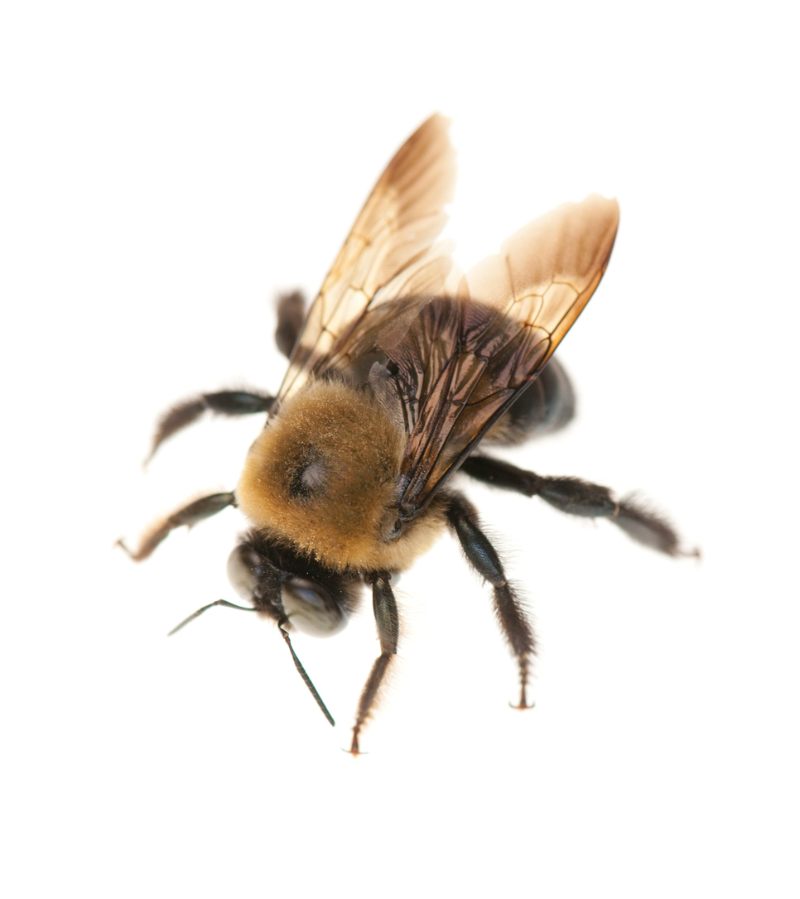
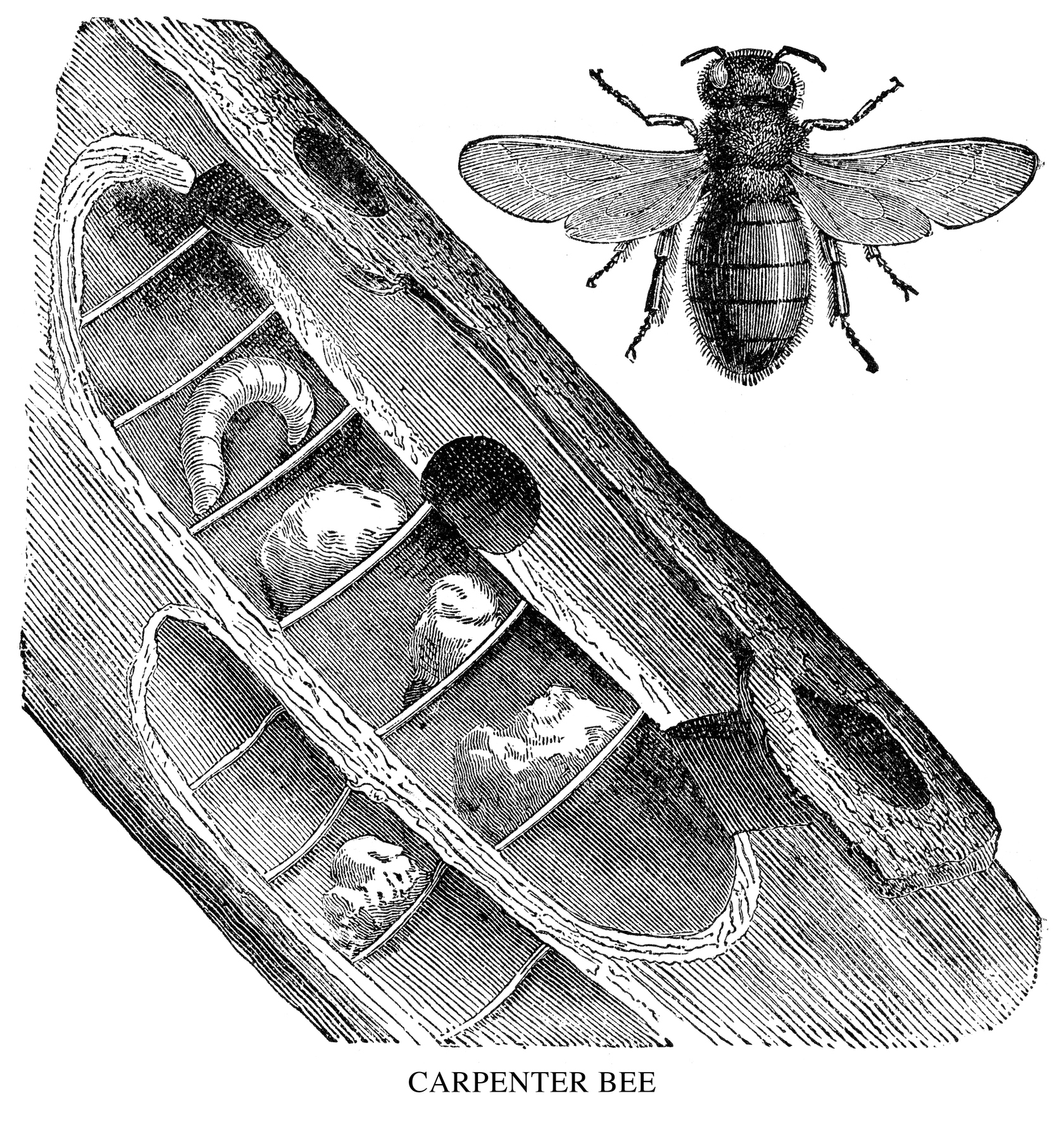
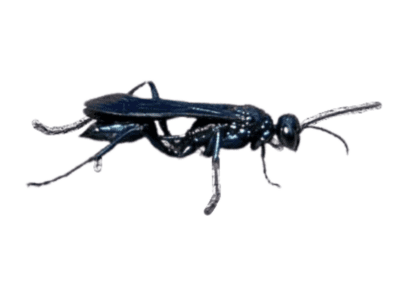
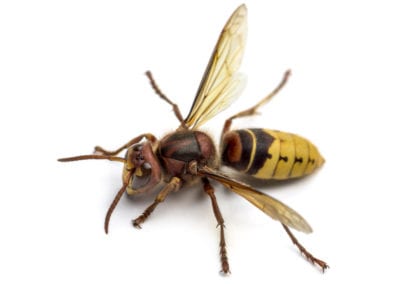
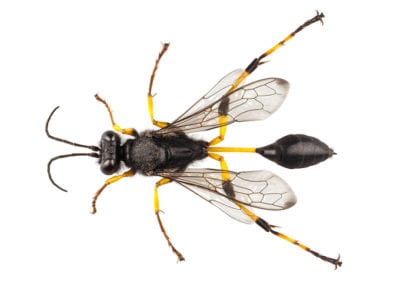
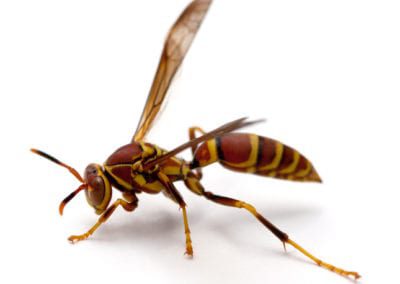
How to Identify a Carpenter Bee


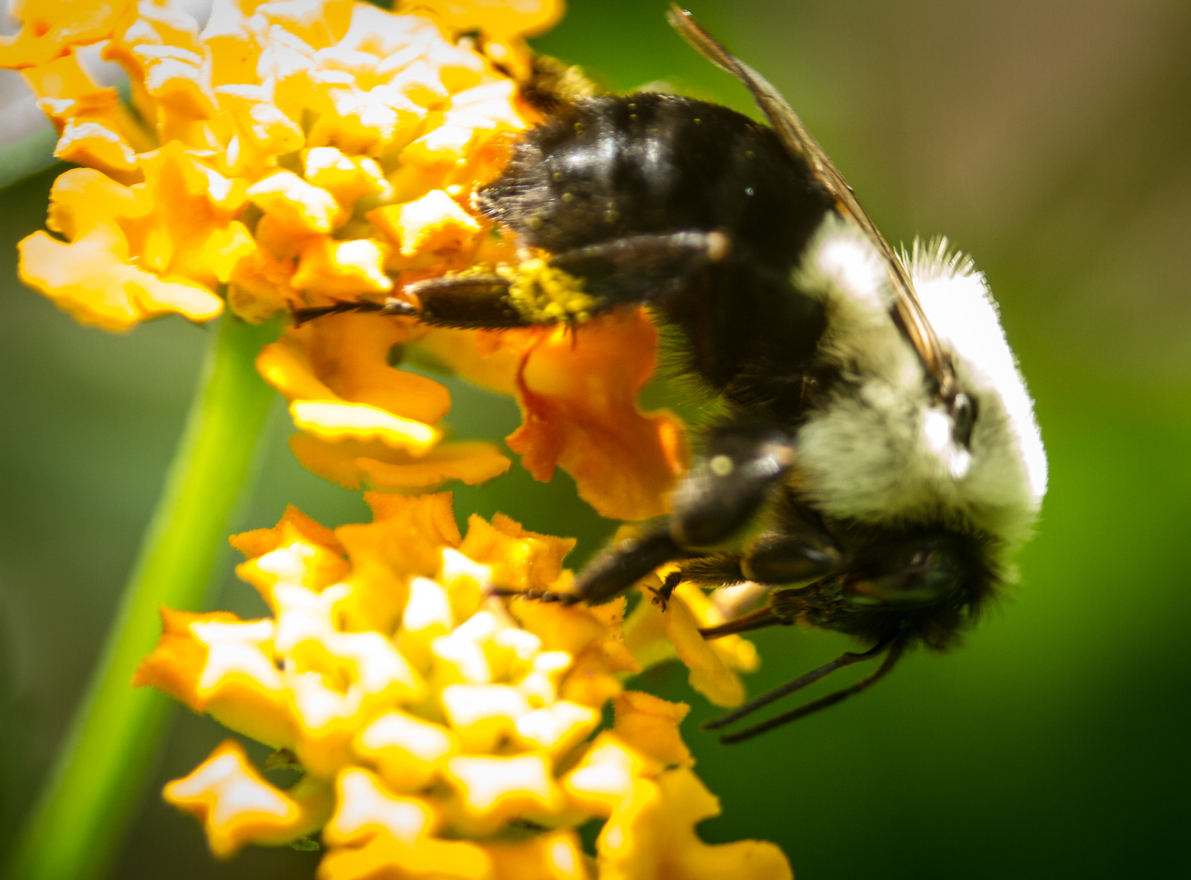
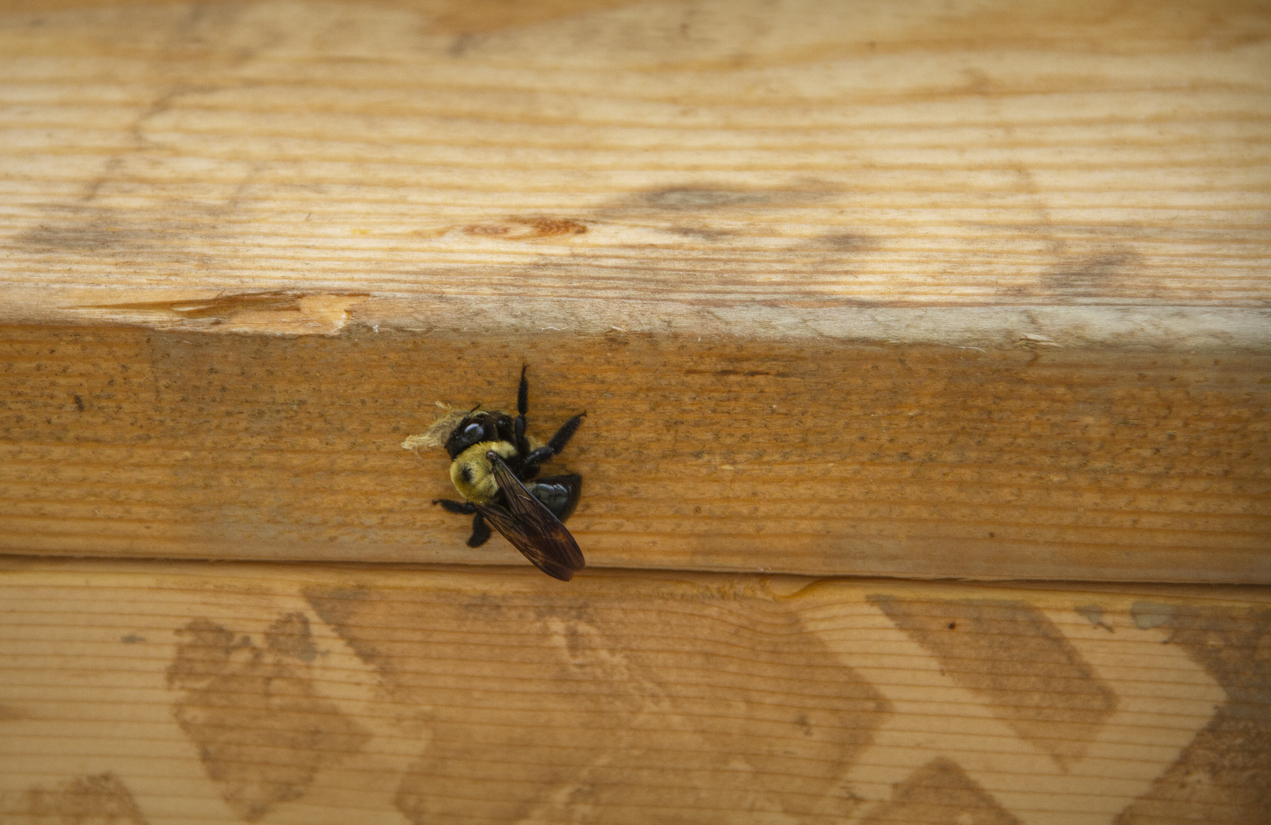
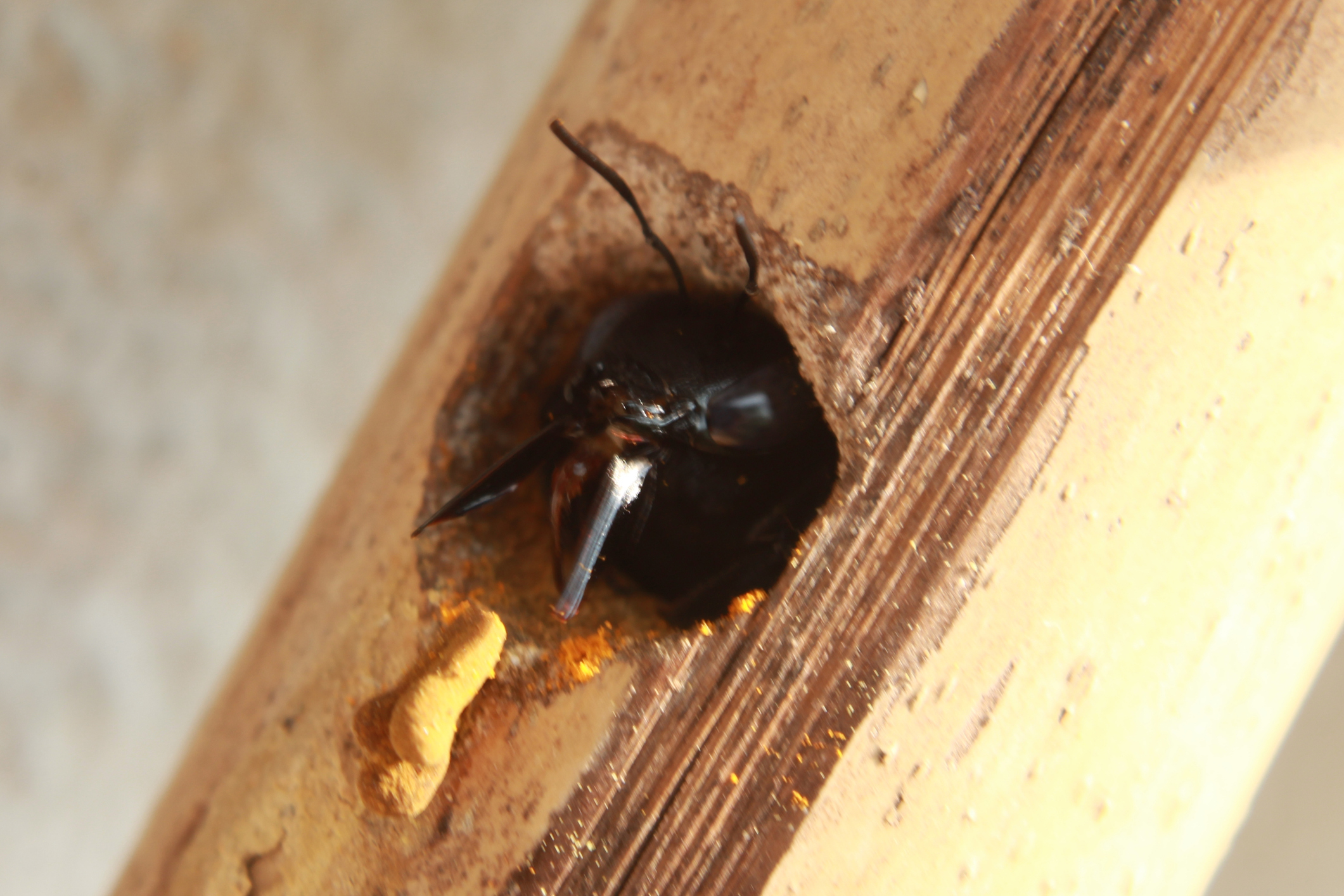
Is This Your Critter?
Maybe it is, maybe it isn’t. We can handle the identification and get you a solution to your problem quickly.
Get a remedy now. Send a message!
Carpenter Bee FAQs
Are Carpenter Bees Dangerous?
Carpenter bees are generally not aggressive. Male carpenter bees may hover near people to defend nesting areas, but they do not have stingers. Female carpenter bees can sting, but this is uncommon unless they are directly handled or threatened.
Do Carpenter Bees Damage Wood?
Yes. Carpenter bees tunnel into exposed or untreated wood to build nests. Over time, repeated nesting activity can weaken wood surfaces such as decks, fascia boards, siding, fences, railings, pergolas, and outdoor furniture. Woodpeckers may also cause additional damage while searching for carpenter bee larvae inside the wood.
What Attracts Carpenter Bees to My Home?
Carpenter bees are attracted to bare, weathered, treated, painted or unfinished wood surfaces that are moisture-ridden. Softwoods like cedar, pine, redwood, and cypress are especially appealing. Homes with untreated decks, wooden trim, soffits, and outdoor structures may be more vulnerable to carpenter bee activity during the spring and summer months.
When Are Carpenter Bees Most Active?
Carpenter bees are most active during the spring when adults emerge to mate and create new nesting galleries. Activity often increases in late spring and early summer throughout Indiana and the Midwest. You may notice bees hovering around eaves, decks, porches, or wooden structures during warm, sunny days.
How Can I Tell If I Have Carpenter Bees?
Common signs of carpenter bee activity include:
- Perfectly round holes in wood surfaces
- Sawdust-like material beneath holes
- Bees hovering around wooden structures
- Yellowish staining near nesting holes
- Increased woodpecker activity around the home
If left untreated, carpenter bees may return to the same nesting areas year after year.
Can Carpenter Bees Return to the Same Area?
Yes. Carpenter bees often return to previous nesting locations if the holes they have excavated remain untreated or unprotected. Over time, new tunnels may branch off from older galleries, increasing the amount of structural and cosmetic damage.
How Can I Prevent Carpenter Bees?
Prevention strategies may include:
- Painting or sealing exposed wood surfaces
- Replacing moisture damaged or rotting wood
- Filling old nesting holes after treatment
- Scheduling seasonal inspections for early detection
- Fixing leaky gutters to minimize structural moisture damage
Professional carpenter bee treatments can help reduce active nesting and discourage future activity.
Are Carpenter Bees Important Pollinators?
Yes. Carpenter bees are valuable pollinators that help support flowers, gardens, farm crops, and native plants. Because they play an important ecological role, professional pest management focuses on balancing pollinator awareness with protecting homes and structures from damage. Installing a mason bee house away from the structure on your property may reduce the chance of reinfestation and also encourage pollination and carpenter bee nesting away from your home.
What Areas Does Franklin Pest Solutions Serve for Carpenter Bee Control?
Franklin Pest Solutions provides carpenter bee control services throughout Indiana and the Midwest, including a 50 mile radius from each of our branch location in Indianapolis, Lafayette, South Bend, Michigan City, Hammond, and New Albany. Our team helps homeowners identify carpenter bee activity, protect vulnerable wood structures, and reduce recurring infestations.

Schedule Professional Carpenter Bee Control Today
If carpenter bees are drilling into your deck, fence, porch, or other wooden structures, don’t wait for the damage to spread.
Franklin Pest Solutions has been helping homeowners protect their homes since 1929. Our experienced pest management professionals can identify carpenter bee activity, protect vulnerable wood surfaces, and provide effective, long term solutions to help prevent future infestations.
Call us today or contact our team online to schedule your inspection and get a free quote for carpenter bee control in Southwest Michigan, Indiana, and the Greater Louisville region.



I like that they contact me when it is time to come again.
“I like that they contact me when it is time to come again. The technician , Mr. Semmes is so polite and thorough. I am able to talk to him about my specific needs, whether it is stink bugs or carpenter bees.”
Sally N. | Homeowner
Lafayette, IN
You’ve got a pest problem. We’ve got your pest solution.
Whether you’ve got wasps, rodents, spiders (or you name it), we can assist with your pest problem. We can even provide same-day service. Drop us a line to schedule your pest control services today!