
Subterranean Termite
Franklin’s Termite Solutions in Southwest Michigan, Indiana and the Greater Louisville region
If you’ve noticed signs of termite activity or simply want peace of mind, it’s important to act quickly and contact us. Subterranean termites are among the most destructive wood-destroying pests in the United States, often causing extensive structural damage long before their presence becomes obvious.
In the natural environment, termites help break down fallen trees and other decaying wood. But when they move into a home or commercial structure, that same behavior can become costly. Because subterranean termites typically remain hidden underground, inside walls, or within wooden structural components, infestations are frequently discovered only after damage has progressed.
Property owners can help lower the likelihood of termite activity by taking a few preventative steps:
- Avoid allowing wood materials to come into direct contact with soil around the structure
- Maintain a clear, visible gap between the soil line and the foundation whenever possible
- Address areas where moisture tends to collect near the building perimeter
- Make sure gutters and downspouts are moving rainwater away from the structure effectively
- Fix leaking pipes, drainage concerns, or roof issues that create excess moisture
No two properties face the exact same termite risks. That’s why Franklin Pest Solutions develops customized termite treatment and monitoring strategies based on your property’s construction, environmental conditions, and level of termite activity.
Explore Franklin’s termite protection solutions to help safeguard your property.
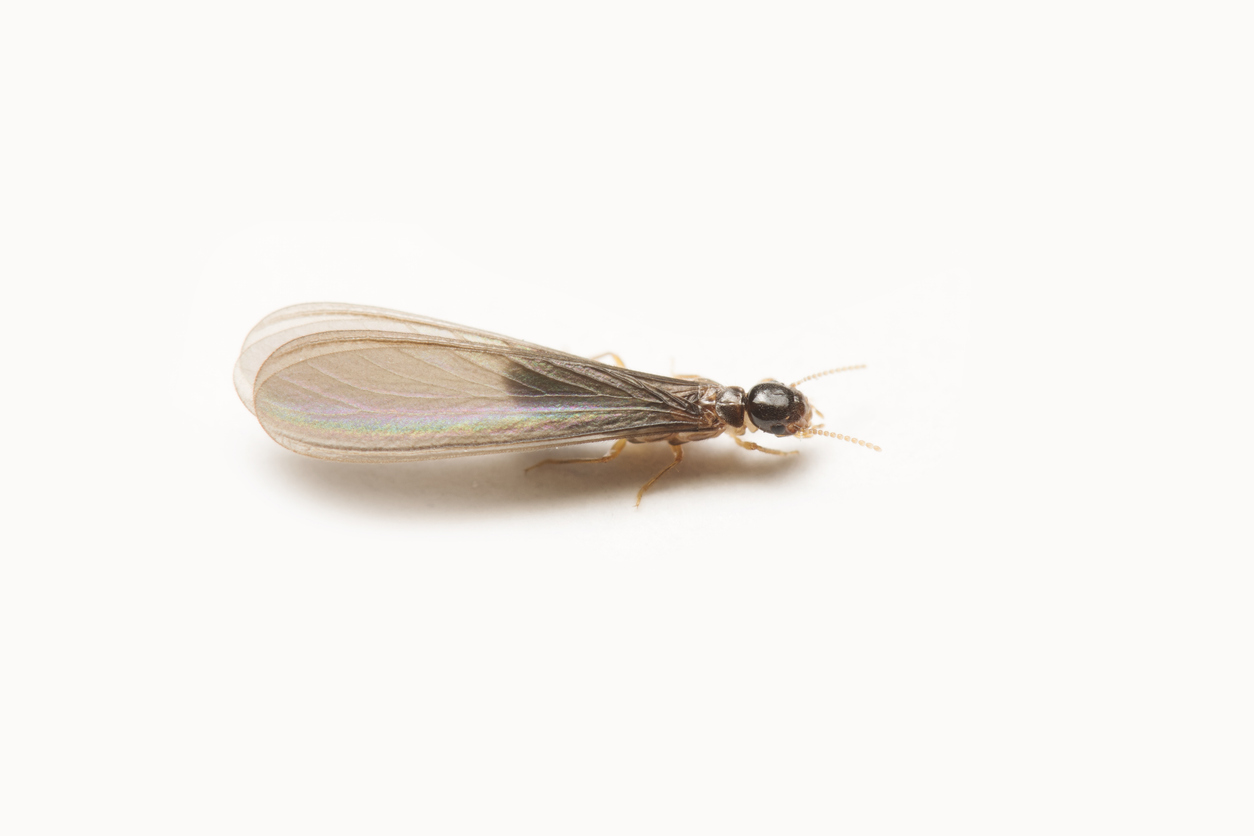
How to Identify Subterranean Termites
Appearance
Subterranean termites don’t all look the same. Their appearance changes based on the job they perform within the colony.
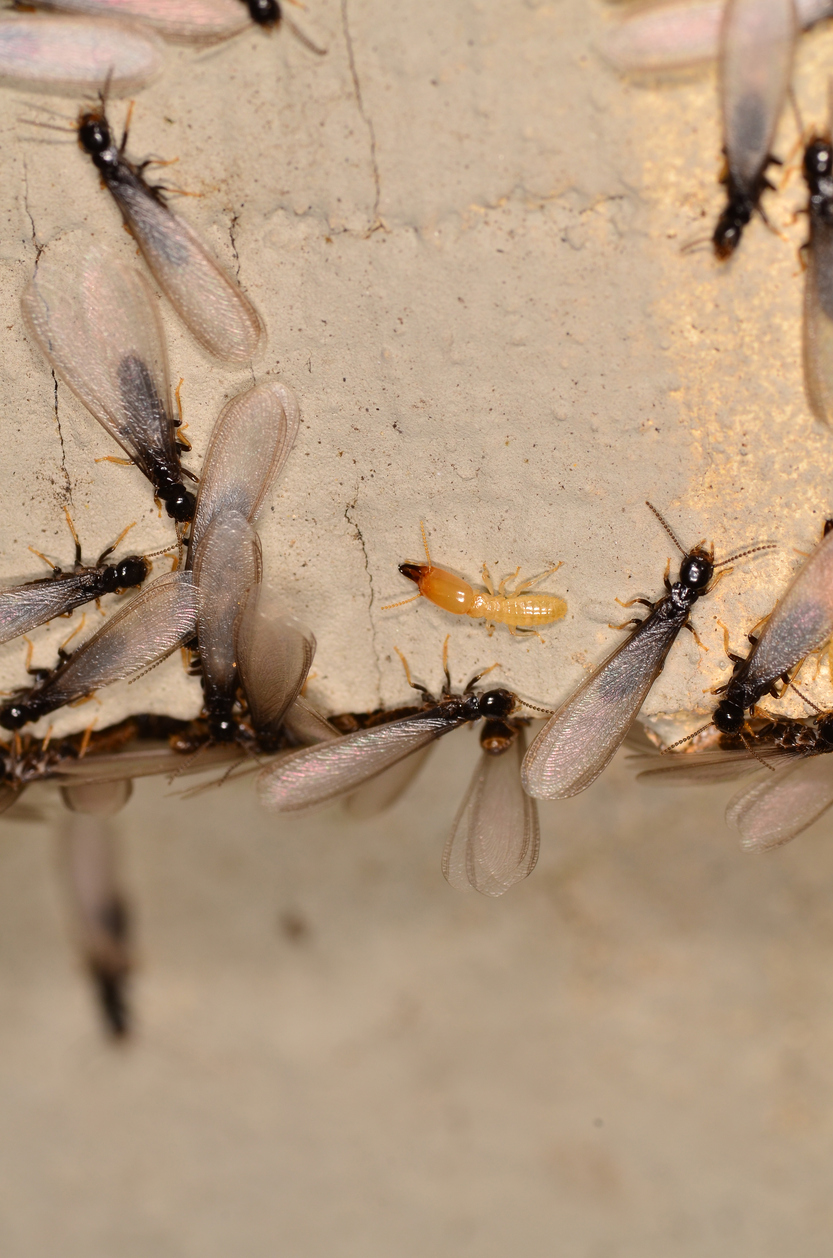
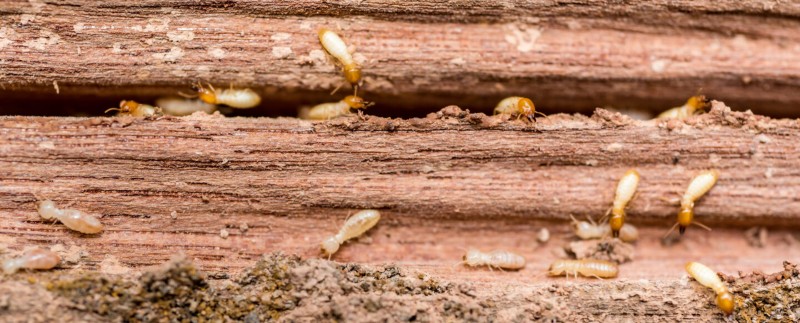
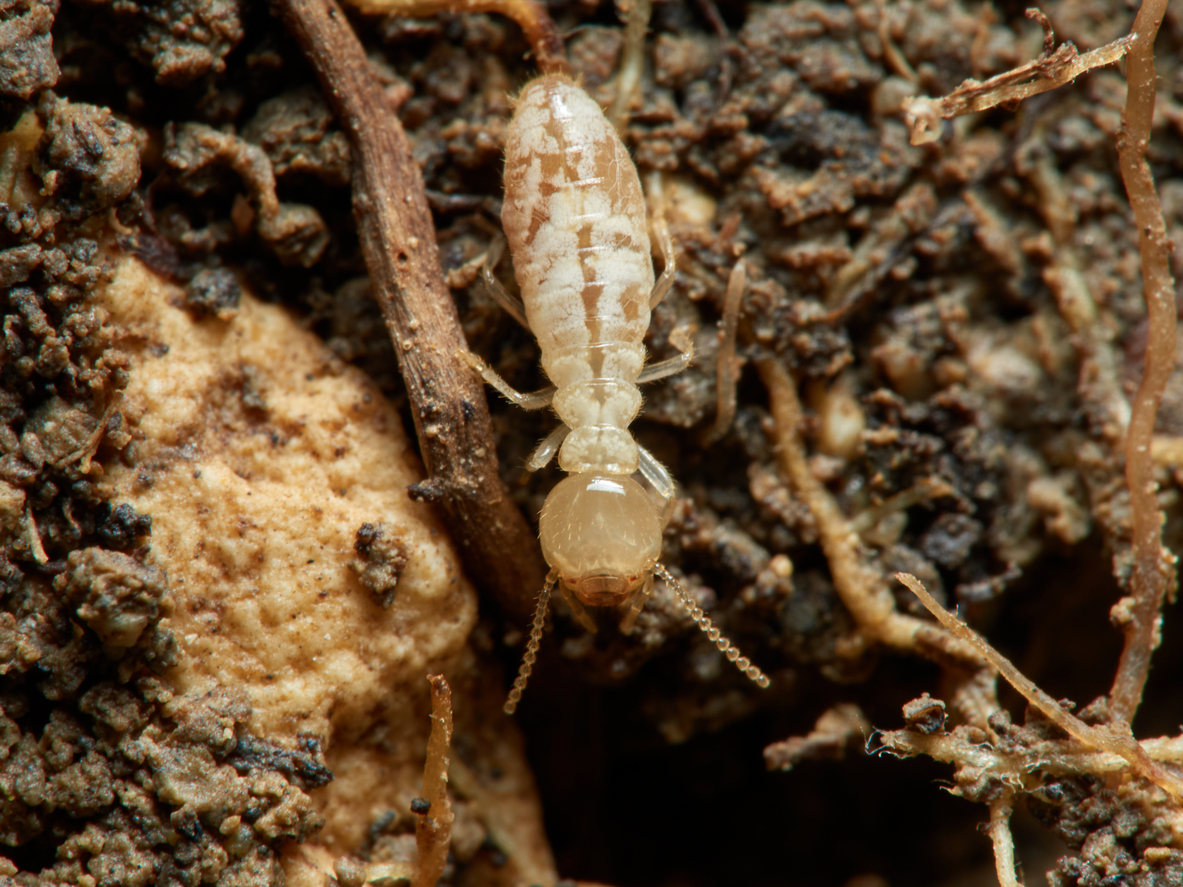
- Worker termites are small, soft-bodied insects with a creamy white appearance, typically measuring about 1/8 inch long. These termites are responsible for feeding the colony and causing structural damage.
- Soldier termites are similar in size but have darker, more pronounced heads with strong jaws designed to protect the colony from threats.
- Winged reproductives, often called swarmers, are the termites property owners are most likely to notice. These termites are darker in color, ranging from brown to black, and have two matching sets of translucent wings that extend beyond their bodies.
Because swarmers are frequently confused with flying ants, a professional inspection can help confirm whether termite activity is present.
Habitat
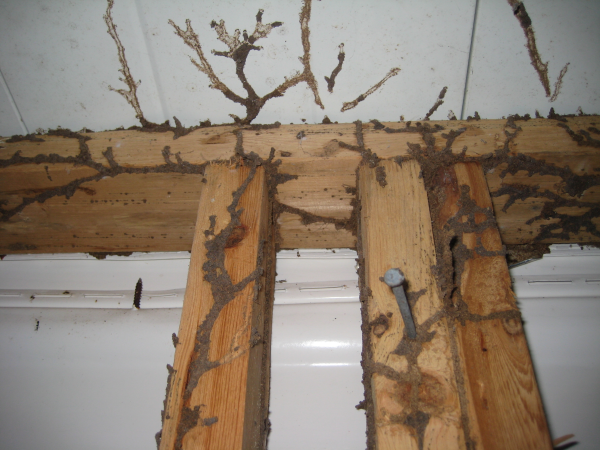
As their name suggests, subterranean termites establish their colonies underground, where moisture levels help them survive. Since exposure to dry air can be fatal, they create narrow mud tunnels to move between the soil and food sources while staying protected.
You may find these shelter tubes along:
- Foundation walls
- Basement surfaces
- Crawl spaces
- Concrete cracks
- Utility entry points
Several property conditions can make an area more inviting to subterranean termites, including:
- Damp soil near the structure
- Poor drainage around the foundation
- Overflowing or clogged gutters
- Leaking exterior plumbing fixtures
- Firewood, mulch, or landscaping materials placed against the building
- Structural wood that touches soil directly
A single subterranean termite colony can contain hundreds of thousands of members. During spring, mature colonies often release swarmers to establish new colonies nearby, making seasonal swarms one of the most noticeable warning signs of termite activity.
Diet
Subterranean termites feed on cellulose, an organic material found in wood and many plant-based products. In addition to structural lumber, they may target materials such as cardboard, paper products, books, and certain insulation materials containing cellulose.
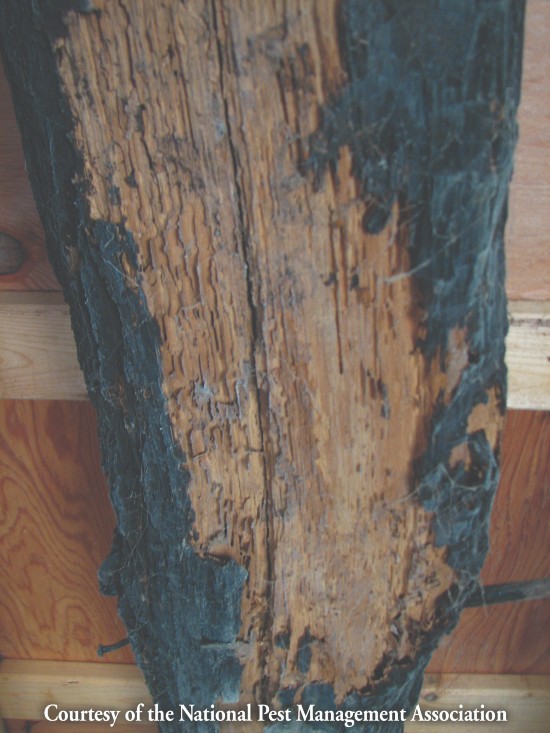
Unlike some wood-destroying pests that simply excavate wood to create nesting space, termites actively consume it as a food source. Over time, this hidden feeding activity can weaken support structures and lead to expensive property damage if left untreated.
Additional Imagery

Is This Your Critter?
Maybe it is, maybe it isn’t. We can handle the identification and get you a solution to your problem quickly.
Get a remedy now. Send a message!
Frequently Asked Questions About Subterranean Termites
Where Are Subterranean Termites Found?
Subterranean termites establish their colonies below ground in damp soil, where moisture helps them survive. These highly organized colonies can grow to enormous sizes, with distinct groups of termites responsible for feeding, defense, and reproduction. Underground tunnel systems allow the colony to move safely, protect developing young, and reach food sources. With a long-living queen producing large numbers of eggs, termite populations can expand quickly over time.
How can you identify the different types of subterranean termites?
How can you tell the difference between termites and ants?
What attracts subterranean termites to a property?
Can subterranean termites harm people or pets?
What are the warning signs of a subterranean termite infestation?
Subterranean termites often remain hidden, but there are several warning signs property owners should watch for. Common indicators include mud tubes along foundations or walls, winged termite swarmers near windows, doors, or light sources, wood that sounds hollow when tapped, and warped doors, swollen trim, or blistering wood surfaces caused by hidden feeding activity. If you notice any of these signs, a professional termite inspection can help determine whether termite activity is present before damage becomes more extensive.
What does it mean if you see termite swarmers?
Termite swarmers are winged reproductive termites that leave mature colonies to mate and start new ones. Spotting swarmers, especially indoors, or finding piles of discarded wings near windowsills, doors, or light sources can be a strong sign of nearby termite activity. While swarmers do not cause structural damage themselves, their presence often indicates an established colony may be close to your home or business.
Can termite problems be treated without professional help?
Because subterranean termite colonies can grow extremely large and remain hidden behind walls, beneath floors, or underground, professional treatment is strongly recommended. DIY products may address visible activity temporarily but often fail to eliminate the full colony or protect against continued damage. A trained termite professional can accurately identify the extent of the infestation, locate activity sources, and recommend a targeted treatment and monitoring plan to help protect your property long term.



Completely took care of us.
“Completely took care of us. We were getting our garage roof fixed when they stirred up a next of stinging insects. All work stopped until problem was fixed. I called around desperate to find someone who’d be willing to come that day. I called three other places who at best could get someone out four days later. Franklin Pest Solutions was the only one who was willing to squeeze us in. They came, assessed the issue (yellow jackets) and had it taken care of in a half hour. The scheduler was friendly and informative. The exterminator was friendly and professional. I will definitely call back the next time I have a pest issue.”
Jacqui S. | Homeowner, Louisville, KY
You’ve got a pest problem. We’ve got your pest solution.
Whether you’ve got wasps, rodents, spiders (or you name it), we can assist with your pest problem. We can even provide same-day service. Drop us a line to schedule your pest control services today!