
Earwig Control in Southwest Michigan, Indiana and the Greater Louisville Region
Finding Earwigs Around Your Home?
Earwigs are common nuisance pests throughout Southwest Michigan, Indiana and the Greater Louisville region. These insects thrive in damp, protected environments and are frequently found around foundations, flower beds, patios, landscaping, and other areas where moisture is present. Although earwigs are not considered dangerous, large numbers around a home can become frustrating for homeowners.
Most earwigs spend their days hidden beneath mulch, stones, leaves, and other sheltered locations before emerging at night to search for food. Weather conditions such as heavy rainfall, prolonged humidity, or dry periods can encourage earwigs to move indoors, where they are often discovered in basements, crawl spaces, bathrooms, garages, and utility rooms.
While earwigs may look intimidating because of the pincers at the end of their bodies, they are generally harmless to people and pets. However, persistent earwig activity can indicate moisture issues or favorable hiding places around the property that should be addressed.

How to Identify Earwigs
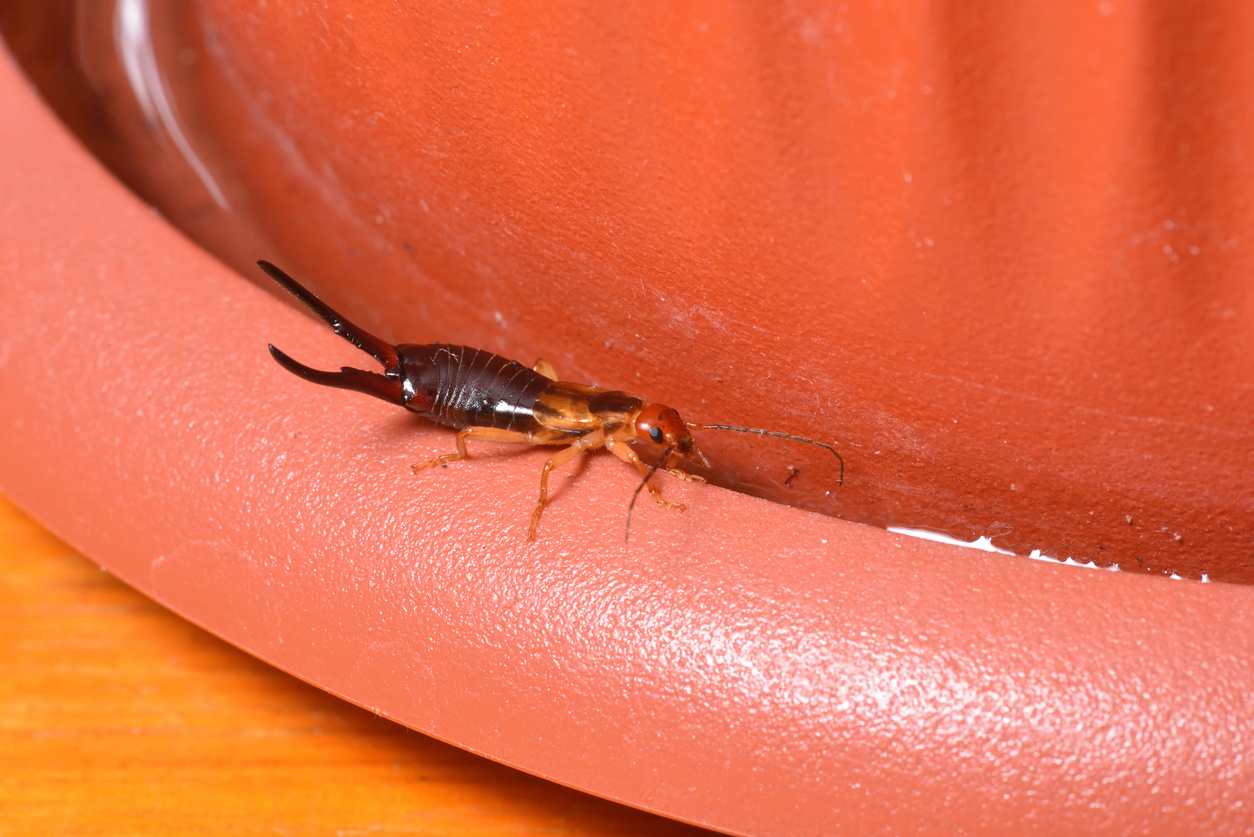
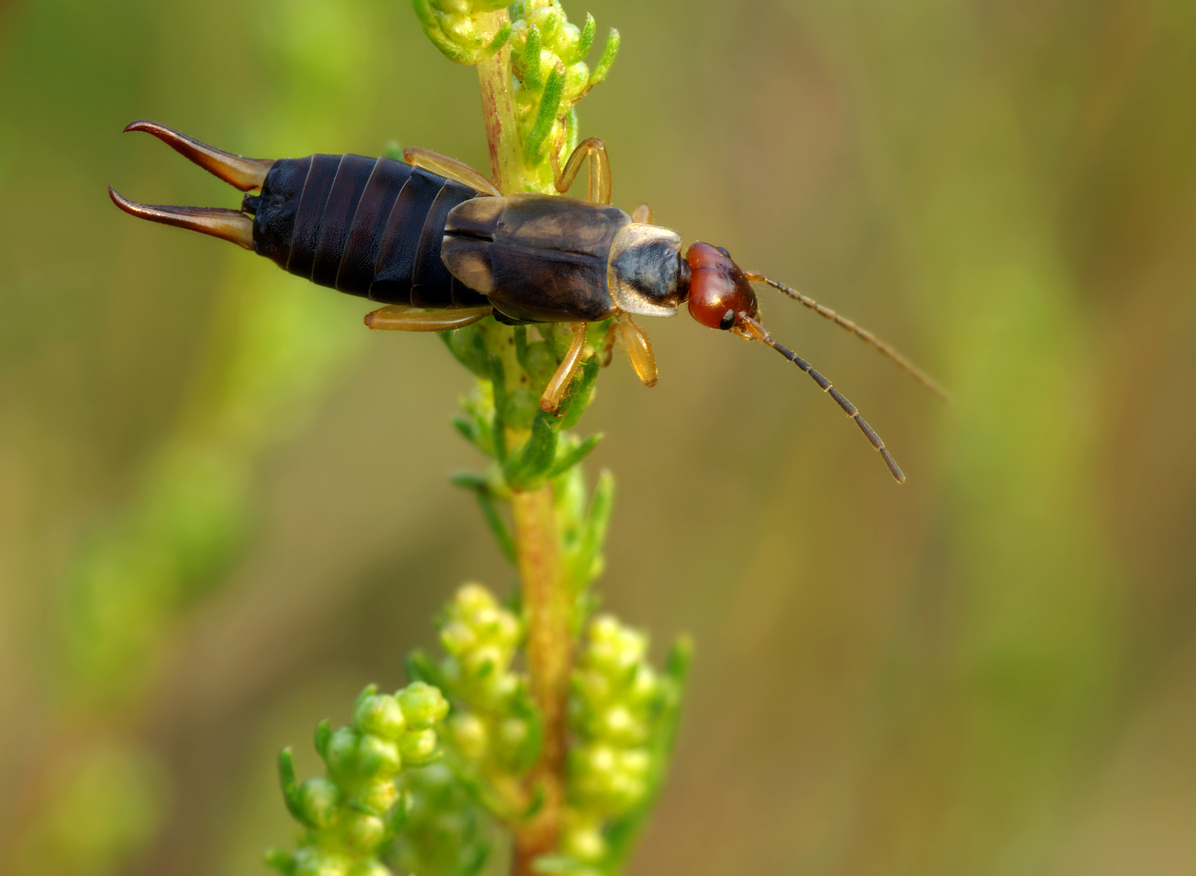
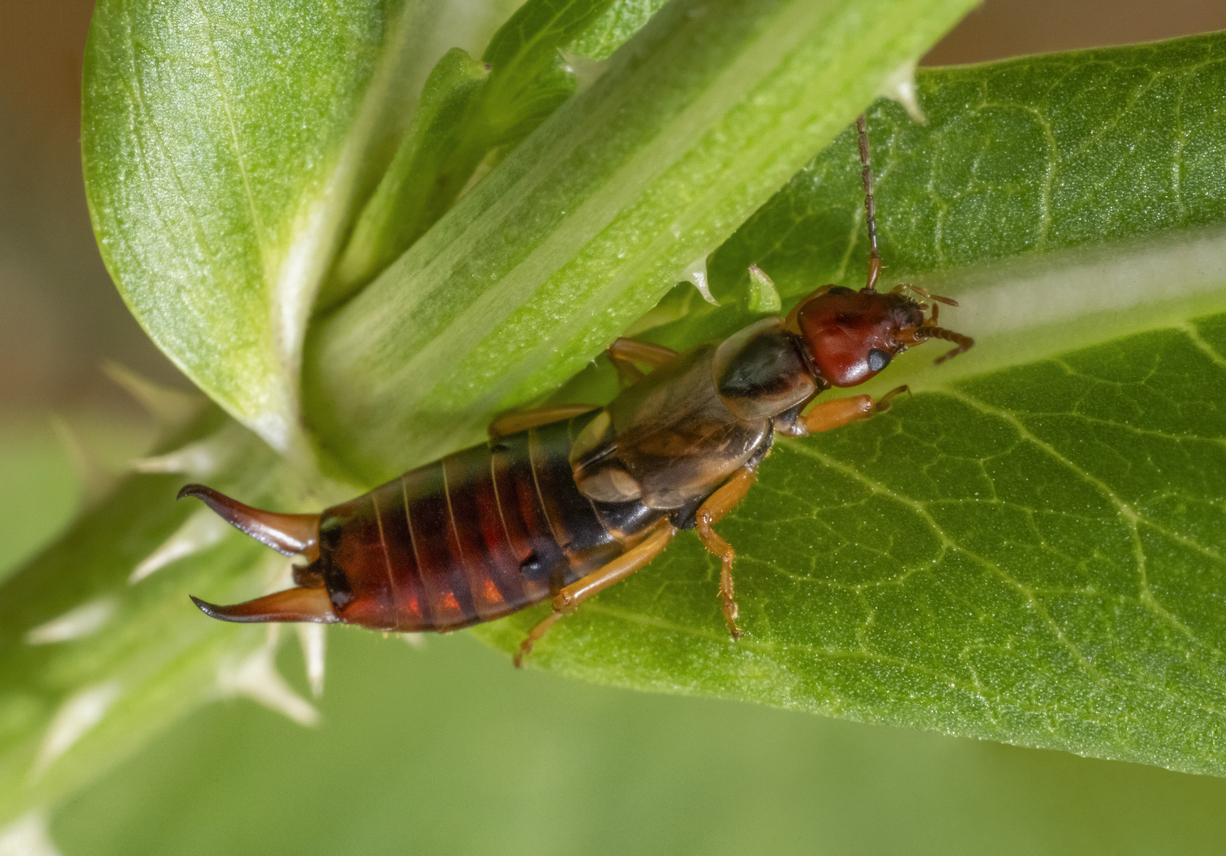
Earwigs are among the easiest nuisance pests to identify because of the distinctive pincers located at the rear of their bodies.
Appearance
Adult earwigs typically:
- Measure between ½ and 1 inch in length
- Have flattened, narrow bodies
- Range from reddish-brown to dark brown
- Possess long antennae
- Have six legs
- Feature noticeable pincers that look like forceps at the rear of their bodies
Male earwigs generally have larger, more curved pincers than females. Although many earwig species have wings, they are rarely seen flying.
Why Do Earwigs Have Pincers?
Earwigs use their pincers for protection, capturing small prey, and interactions with other earwigs. These appendages are not designed or intended to harm people.
Do Earwigs Crawl Into Human Ears?
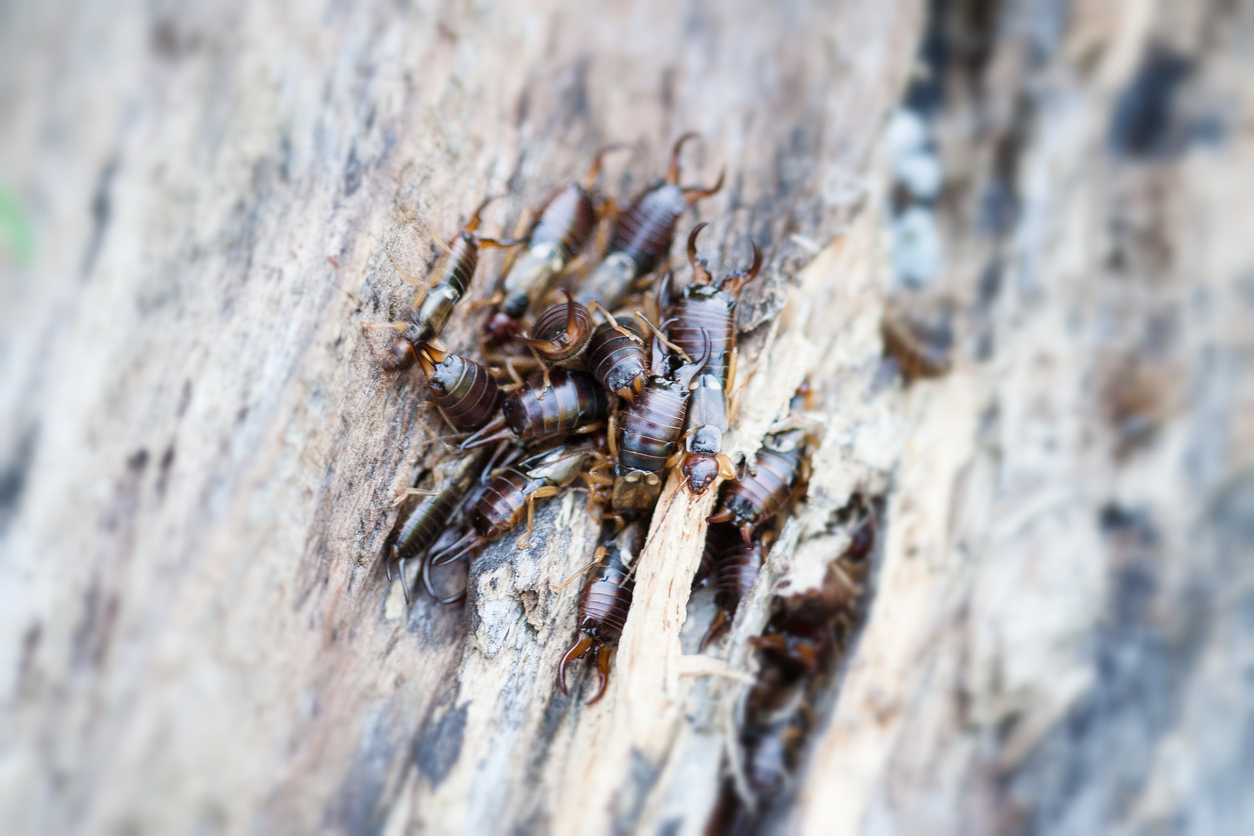
Despite the myths surrounding their name, earwigs do not seek out human ears. This common misconception has existed for centuries but has no scientific basis. They prefer dark, damp, tight spaces where they can cluster together.
Is This Your Critter?
Maybe it is, maybe it isn’t. We can handle the identification and get you a solution to your problem quickly.
Get a remedy now. Send a message!
Frequently Asked Questions About Earwigs
Where Are Earwigs Commonly Found?
Earwigs depend on moisture and shelter to survive. They are most active in locations that remain cool and damp throughout the day.
Outdoor Habitat
Common outdoor hiding places include:
- Mulch beds
- Landscape timbers
- Under rocks and stones
- Garden beds
- Under flower pots
- In plants
- Compost piles
- Leaf litter
- Firewood stacks
- Foundation plantings
These tight, confined locations provide protection from sunlight and help earwigs retain the moisture they need.
Indoor Habitat
When earwigs enter structures, they are commonly found in tight, hidden areas with high moisture like:
- Basements
- Crawl spaces
- Under bath tub toys and in sink drains in bathrooms
- Laundry rooms
- Under bins and boxes in garages
- Utility areas
Unlike some household pests, earwigs rarely establish breeding populations indoors. Most indoor sightings originate from outdoor populations.
What Do Earwigs Feed On?
Earwigs are omnivorous scavengers that consume a wide variety of materials.
Their diet may include:
- Decaying vegetation
- Leaf litter
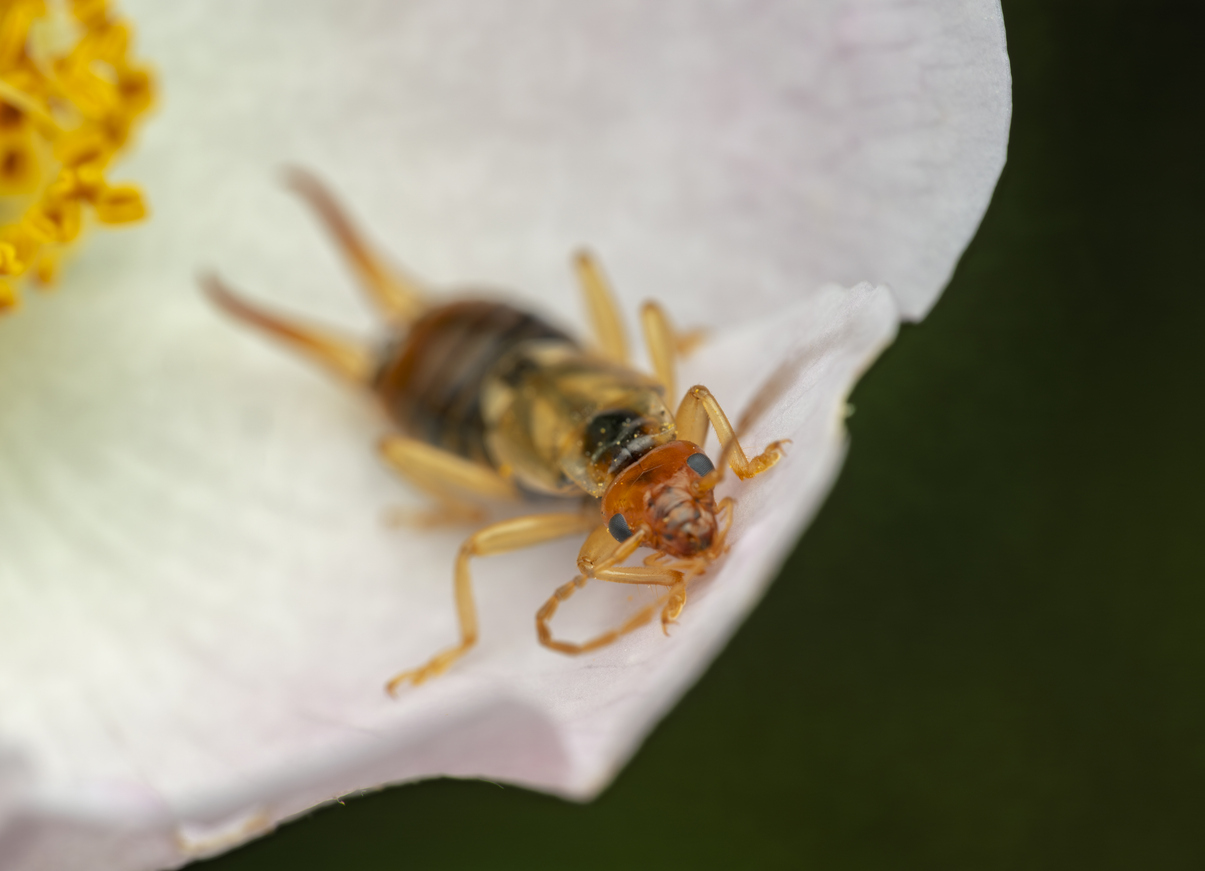
- Flowers
- Seedlings
- Fruits and vegetables
- Fungi
- Algae
- Small insects
- Insect eggs
Although earwigs can occasionally damage garden plants that are very tender. They may also help reduce populations of certain soft-bodied insects, like aphids.
What Attracts Earwigs to Residential Properties?
Several environmental conditions can encourage earwig activity around homes throughout Southwest Michigan, Indiana and the Greater Louisville region.
- Moisture Around the Home – Earwigs are highly dependent on moisture and are commonly found in areas with poor drainage or excessive irrigation.
- Heavy Mulch and Ground Cover – Thick layers of mulch provide excellent shelter and retain moisture, creating ideal earwig habitat.
- Dense Landscaping – Overgrown shrubs and vegetation can create shaded conditions that earwigs prefer.
- Organic Debris – Leaf litter, grass clippings, and other yard debris offer food and hiding places.
- Entry Points Around Structures – Tight gaps or crevices around doors, windows, foundations, and utility penetrations entice earwigs to enter homes.
- Weather Extremes – Heavy rain, flooding, drought, and sudden temperature changes may force earwigs to seek shelter indoors.
Should Homeowners Be Concerned About Earwigs?
Do Earwigs Bite?
No. Earwigs do not bite people.
Can Earwigs Pinch?
Earwigs use their pincers defensively if handled or caught against skin, but pinches are uncommon and typically minor.
Do Earwigs Damage Homes?
No. Earwigs do not burrow or chew through wood, insulation, or structural materials.
Are Earwigs Dangerous to Pets?
Earwigs are not considered harmful to dogs, cats, or other household pets.
Can Earwigs Harm Plants?
Large populations may feed on flowers, fruits, vegetables, and young seedlings, occasionally causing noticeable damage in gardens.
Tips for Reducing Earwig Activity
Homeowners can help make their property less attractive to earwigs by addressing moisture and harborage issues.
- Manage Moisture – Repair leaks, improve drainage, and avoid overwatering landscaping.
- Remove Shelter Areas – Reduce piles of leaves, grass clippings, firewood, and other debris near the home.
- Maintain Landscaping – Trim vegetation away from foundations and the structure of your home. Also reduce excessive ground cover.
- Monitor Mulch – Keep mulch at a reasonable depth and avoid piling it directly against the foundation.
- Seal Potential Entry Points – Inspect the exterior of the home for gaps, cracks, and openings that may allow pests inside.
- Improve Airflow – Increase ventilation in crawl spaces, basements, and other areas where moisture tends to accumulate.
Schedule Your Free Earwig Inspection
If earwigs continue appearing around your home, Franklin Pest Solutions can help. Since 1929, we’ve helped homeowners throughout Southwest Michigan, Indiana and the Greater Louisville region manage nuisance pests and protect their properties year-round.
Our team can identify the moisture issues, harborage areas, and entry points that may be contributing to earwig activity and recommend a customized solution tailored to your home’s needs.
Contact us today for a free quote and learn how our Healthy Home Maintenance Plan can help protect your home from earwigs and other common household pests.

Not Your Occasional Invader?
Here are some of the others found in the Midwest.





If you want your Problem “Solved” the Right Way Call Franklin
I only had dealings w/ Exterminators when my G*Mother had Apt. Housings…Bluntly they just hit & missed & were gone…Franklin’s far Exceeds Any Exspectations I ever had! Professional YES! But Kind & Courteous AND Truely “Compassionate” about my Circumstances & situation @ hand YES!!! Taking time to explain what they were doing & how they were doing it & my Options if I needed more help from them. Can’t say enough Great things about this Company but I know from experience now, if you want your Problem “Solved” the Right Way Call Franklins… You’ll Be Relieve You Did! Carole 😉😇
Carole R. T. | Homeowner
Lafayette, IN
You’ve got a pest problem. We’ve got your pest solution.
Whether you’ve got wasps, rodents, spiders (or you name it), we can assist with your pest problem. We can even provide same-day service. Drop us a line to schedule your pest control services today!

Safe For Your Family and Business
We’re licensed, trained, and certified by the Departments of Public Health and Agriculture, using safe, EPA-regulated materials, always.
Attacking Infestations at the Root
We don’t come in spraying. We evaluate the root of your problem, and recommend and enact pre-emptive measures before any chemicals are used.
Assessments Before Any Contracts
Our Customer Care Center walks you through every service, every charge, and every solution before you agree to anything. Our commitment is to you.