
Have you noticed more flies around your home as temperatures begin to climb? You’re not alone.
Summer provides many of the conditions flies need to thrive. Warm weather, higher humidity levels, seasonal rainfall, and increased outdoor activity all contribute to greater fly activity throughout Indiana and surrounding areas.
Whether they’re attracted to outdoor dining spaces, garbage containers, pet areas, drains, or other sources of organic material, flies take advantage of the resources summer provides. As a result, homeowners often notice more flies both outdoors and inside their homes during the warmer months.
While an occasional fly is usually nothing more than a nuisance, ongoing fly activity can sometimes indicate hidden breeding sites, excess moisture, or other conditions that may be supporting larger populations nearby.
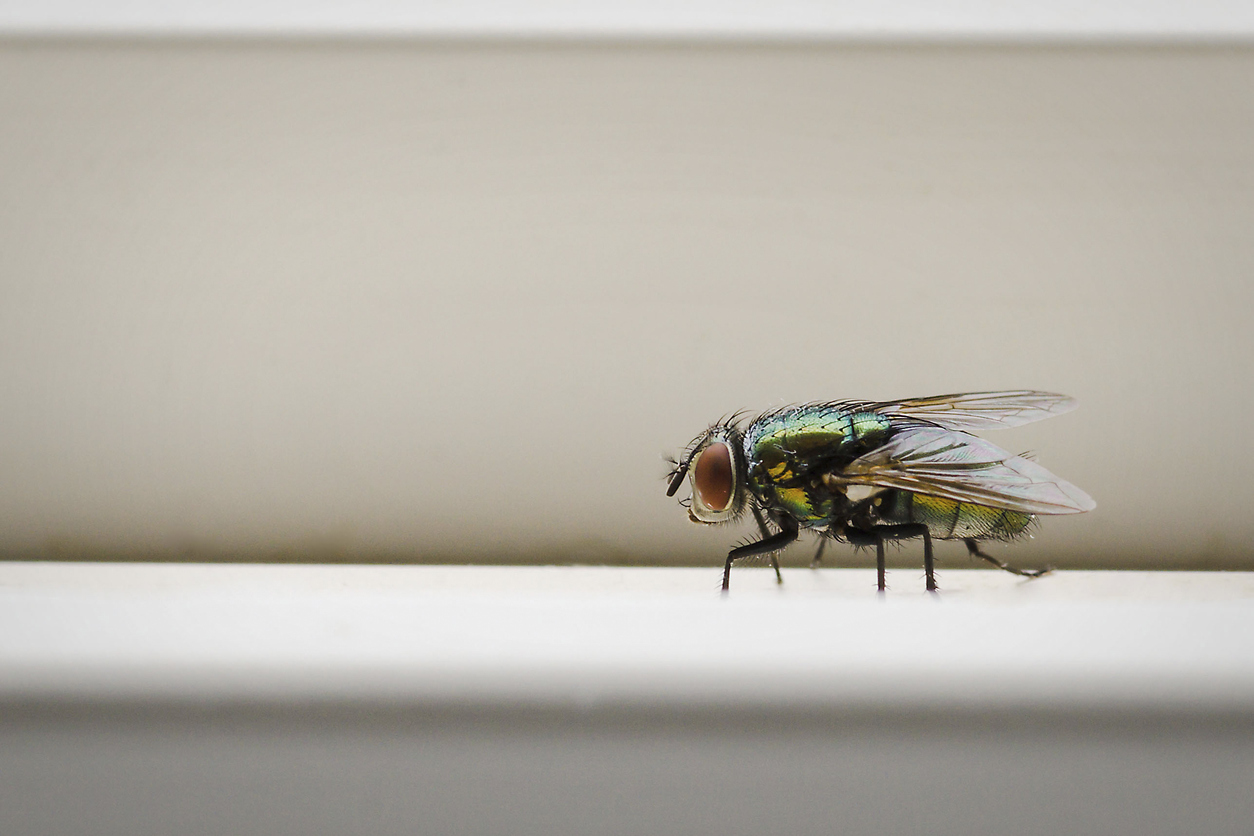
Why Fly Activity Increases During Summer
Warm temperatures and increased moisture create favorable conditions for fly activity throughout the summer. As temperatures rise, many fly species develop and reproduce more quickly. Under ideal conditions, some flies can complete their life cycle from egg to adult in just a matter of days, allowing populations to increase rapidly.
Several factors contribute to higher fly activity during the summer months:
- Warm weather speeds up development and reproduction
- Humid conditions help flies remain active
- Summer rainfall creates damp environments suitable for breeding
- Outdoor dining, cookouts, and exposed food attract foraging flies
- Heat accelerates the breakdown of organic materials, producing odors that attract flies
- Pet waste and other outdoor organic matter can provide food and breeding resources
Even homeowners who maintain clean properties may notice increased fly activity during summer. Many fly species can travel considerable distances while searching for food, moisture, and suitable breeding sites.
Not all flies are attracted to the same conditions, however. Learning which species you’re seeing can help identify what may be attracting them to your home or property.
Common Flies Found Around Midwest Homes
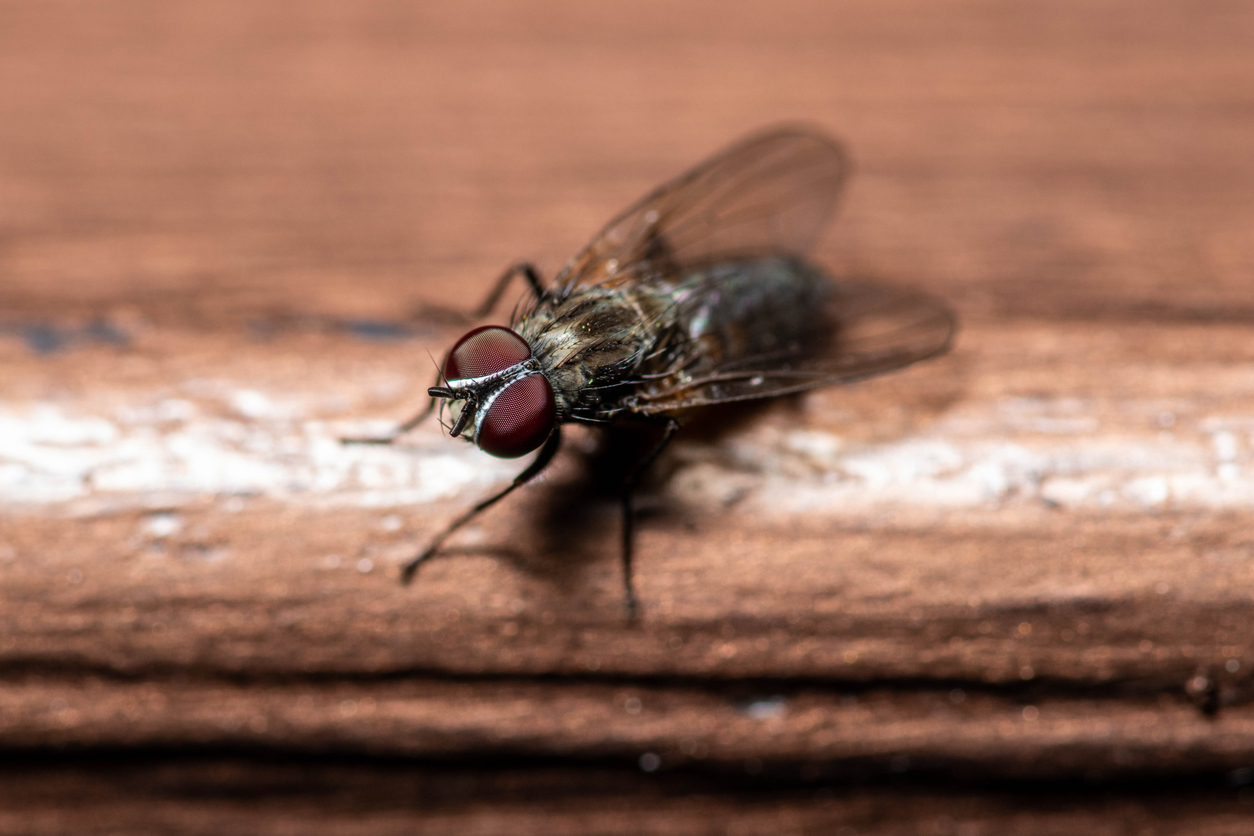
House Flies
House flies are among the most frequently encountered fly species around homes during the summer months.
These gray-colored flies are attracted to a variety of organic materials, including food scraps, garbage, and animal waste. They often develop in decaying matter and can become a persistent nuisance when conditions support breeding. Because house flies regularly move between waste materials and surfaces where food is prepared, they can spread bacteria and other microorganisms as they travel.
Common house fly attractants include:
- Garbage cans and outdoor trash containers
- Pet food and feeding stations
- Compost piles and organic debris
- Outdoor cooking and dining areas
Frequent indoor sightings may indicate that a food source or breeding site is located nearby.
Fruit Flies
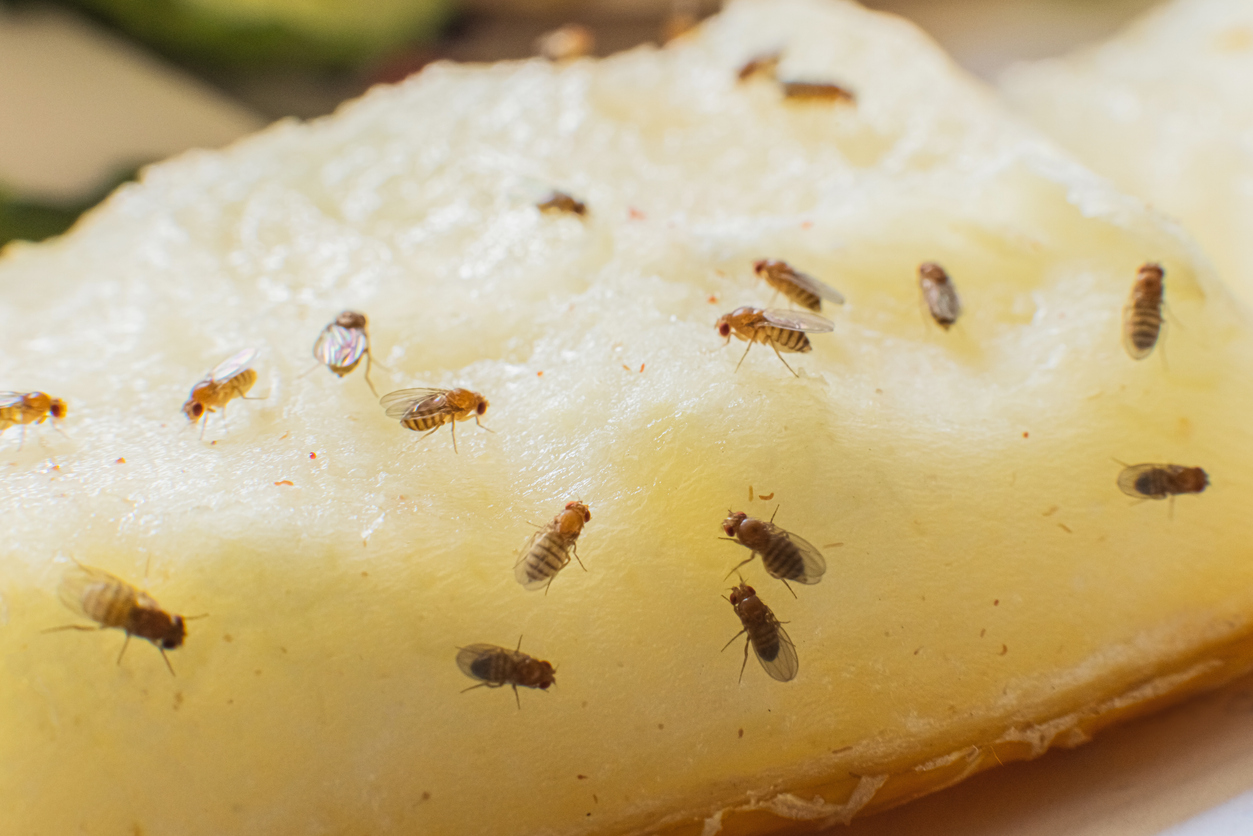
Fruit flies are tiny insects that are commonly found in kitchens and other areas where food is stored or prepared.
These flies are drawn to fermenting sugars and moisture. Overripe fruits, sugary drink residue, dirty recycling containers, and organic buildup can all provide ideal conditions for feeding and reproduction. Once a breeding source is established, fruit fly populations can grow surprisingly quickly.
Common fruit fly attractants include:
- Ripening or fermenting fruits and vegetables
- Uncleaned spills and sugary residues
- Glasses containing leftover wine, juice, or other beverages
- Dirty garbage and recycling bins
- Damp mops, sponges, and cleaning cloths
Because fruit flies develop rapidly, a small problem can become a noticeable infestation in a short period of time.
Drain Flies
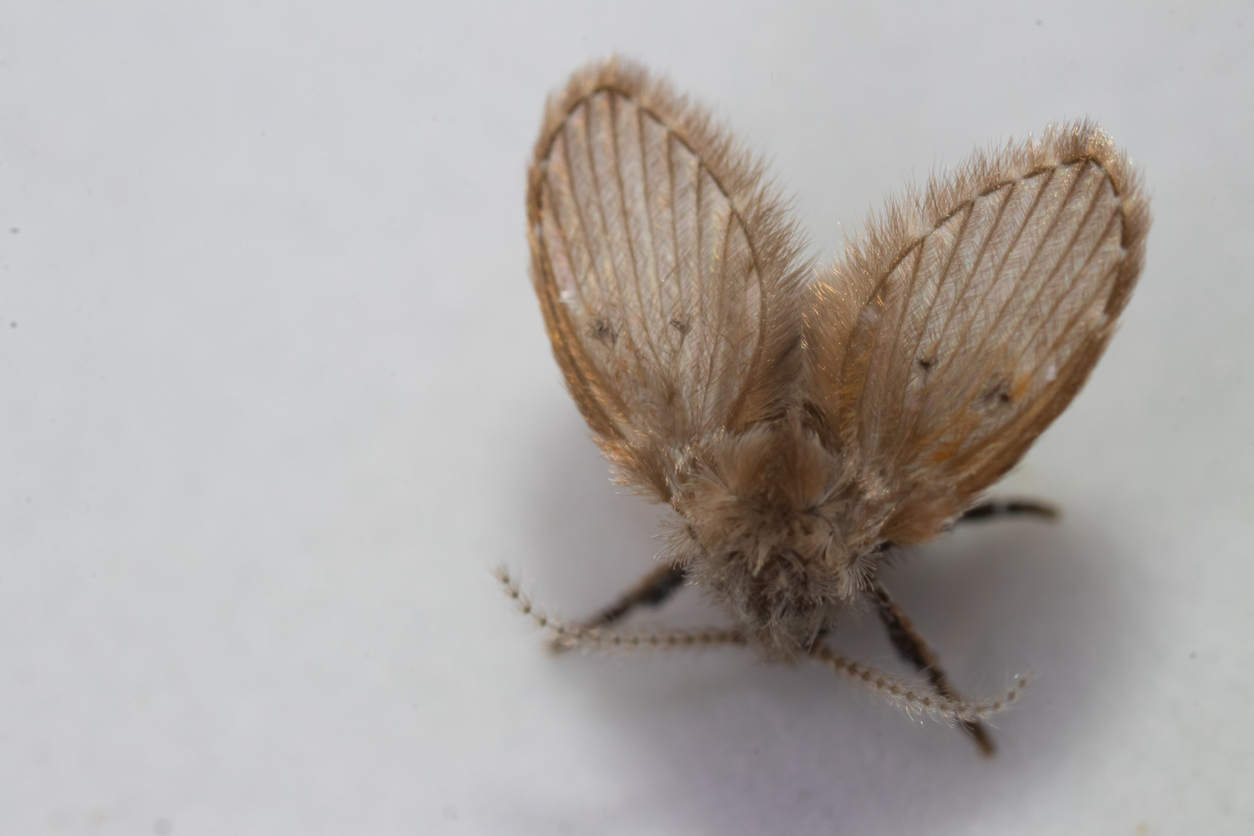
Drain flies, sometimes called moth flies, are small insects with fuzzy bodies and wings that give them a moth-like appearance. Homeowners often notice them resting on walls or surfaces near sinks, showers, utility rooms, and basement drains.
Unlike fruit flies, drain flies develop in the organic buildup that accumulates inside drains, pipes, and other consistently damp areas. This slimy material provides both food and shelter for developing larvae.
Drain flies are commonly associated with:
- Slow-draining sinks
- Floor drains
- Bathroom and utility room sinks
- Areas with frequent condensation
- Damp basements and utility spaces
Persistent drain fly activity may indicate excess moisture or organic buildup within a drain or plumbing system that requires attention.
Blow Flies and Flesh Flies
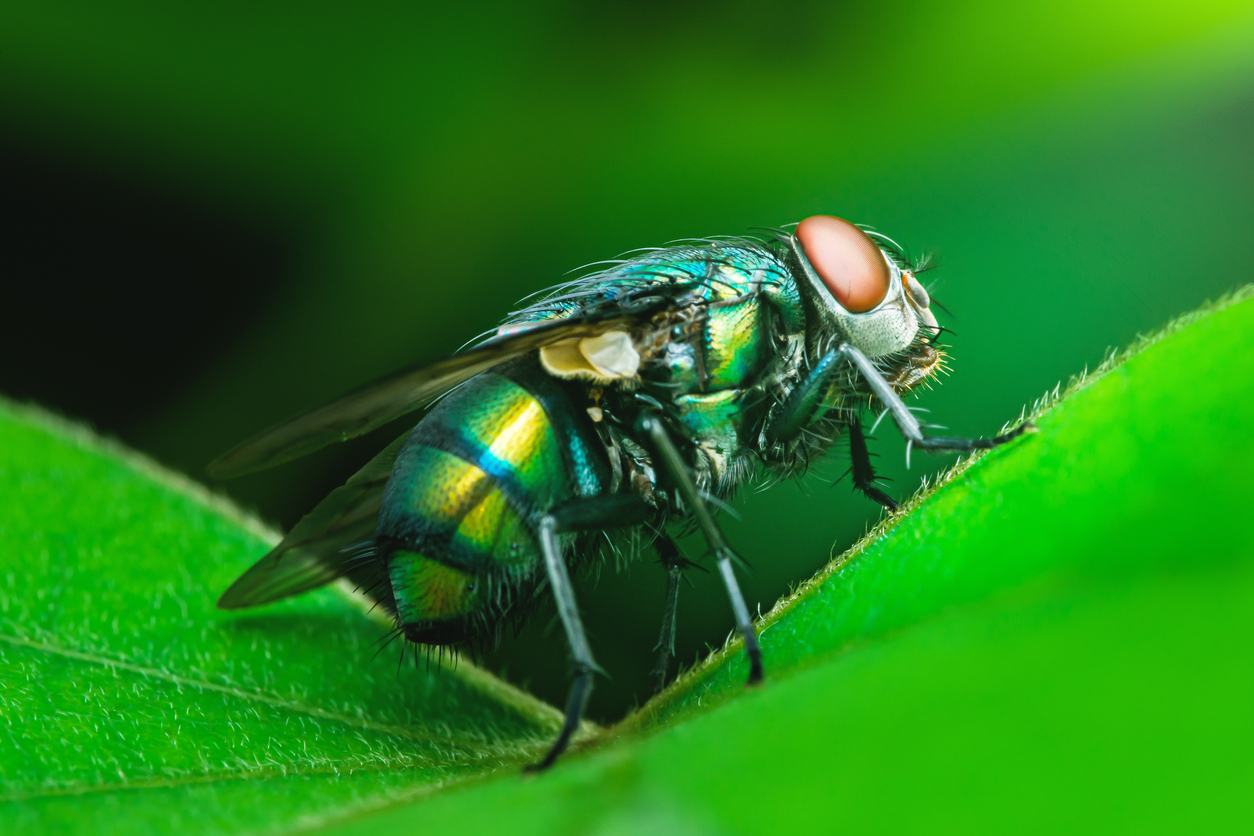
Blow Fly
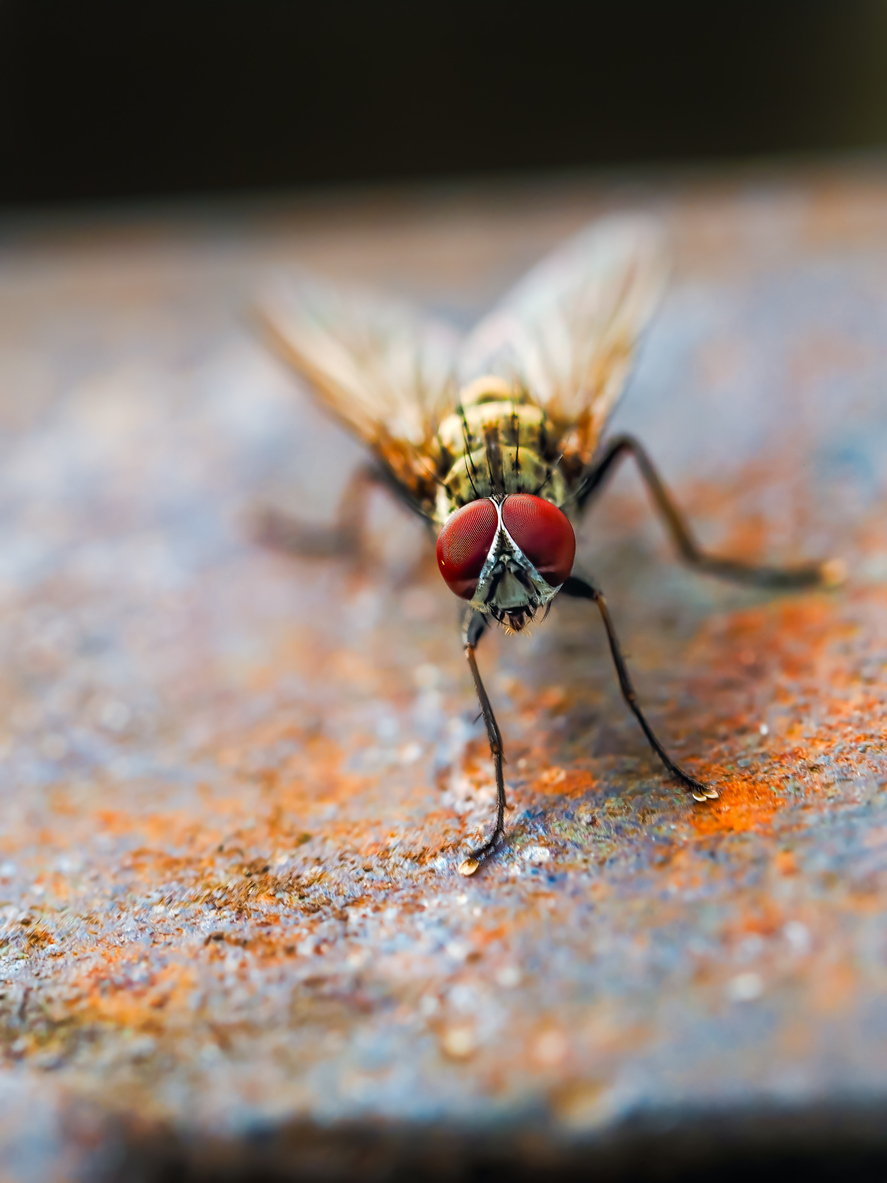
Flesh Fly
Blow flies, often called bottle flies, are larger flies that may have a metallic blue, green, or black appearance. Flesh flies are similarly sized but are typically recognized by the gray and black checkerboard pattern on their abdomen.
These flies play an important role in nature by helping break down dead animals and other decaying organic matter. While spotting a few outdoors during summer is perfectly normal, a sudden increase in larger flies indoors can sometimes indicate a hidden problem.
Blow flies and flesh flies are commonly attracted to:
- Animal remains
- Meat, fish, dairy products, and other protein-rich food waste
- Outdoor garbage containers
- Pet waste and organic debris
If large flies begin appearing indoors without an obvious source, there may be a hidden breeding site nearby, such as a dead rodent or bird within the structure. A professional inspection can help identify and address the source of the activity.
Fungus Gnats
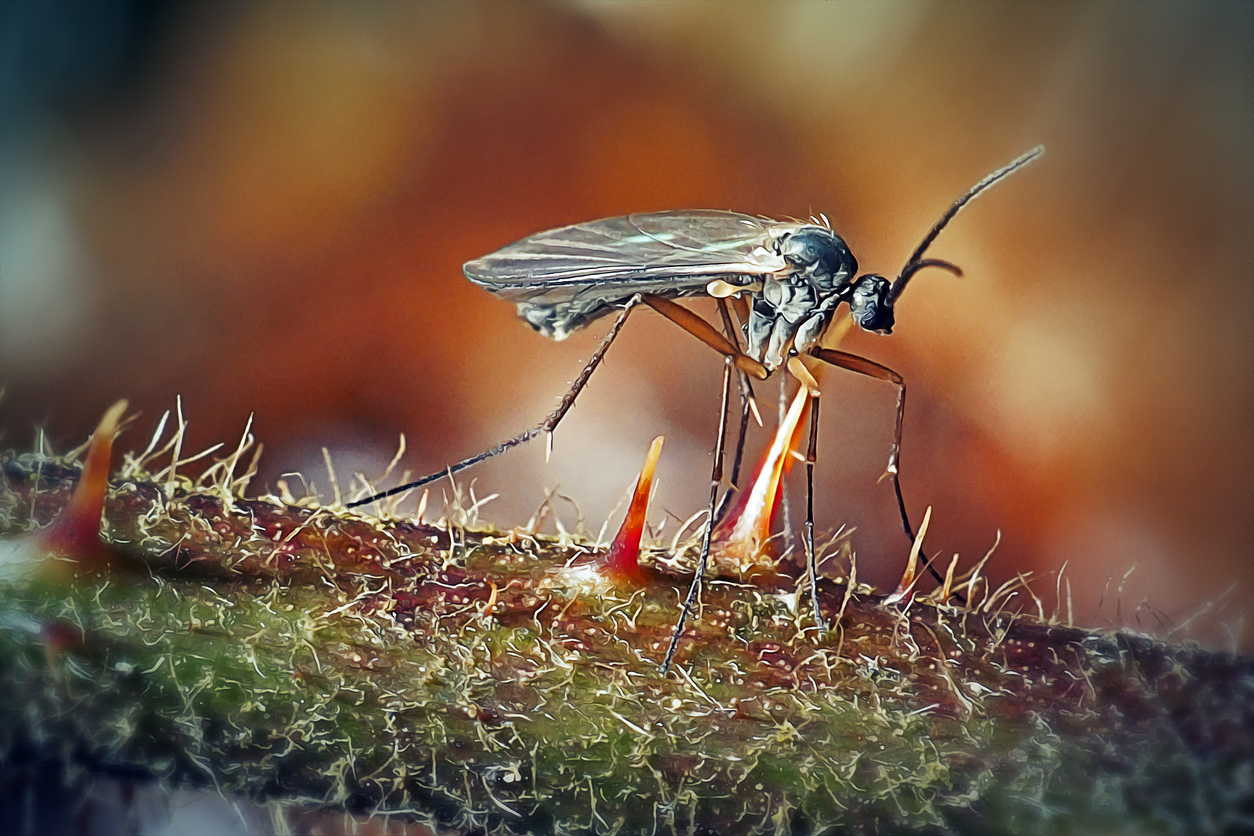
Fungus gnats are small, dark-colored flies that are commonly found indoors around houseplants. They are easily recognized by their slender bodies, long legs, and long antennae.
These insects thrive in damp environments where moisture and organic matter are present. Their larvae develop in moist soil and feed on fungi, decaying plant material, and organic debris. As a result, overwatered plants often provide ideal conditions for fungus gnat activity.
Fungus gnats are commonly attracted to:
- Overwatered houseplants
- Damp potting soil
- Moist mulch and organic matter
- Decaying plant roots
Because fungus gnats stay close to where they develop, they are most often seen flying or crawling around potted plants in homes, offices, and other indoor spaces.
How to Reduce Fly Activity Around Your Home
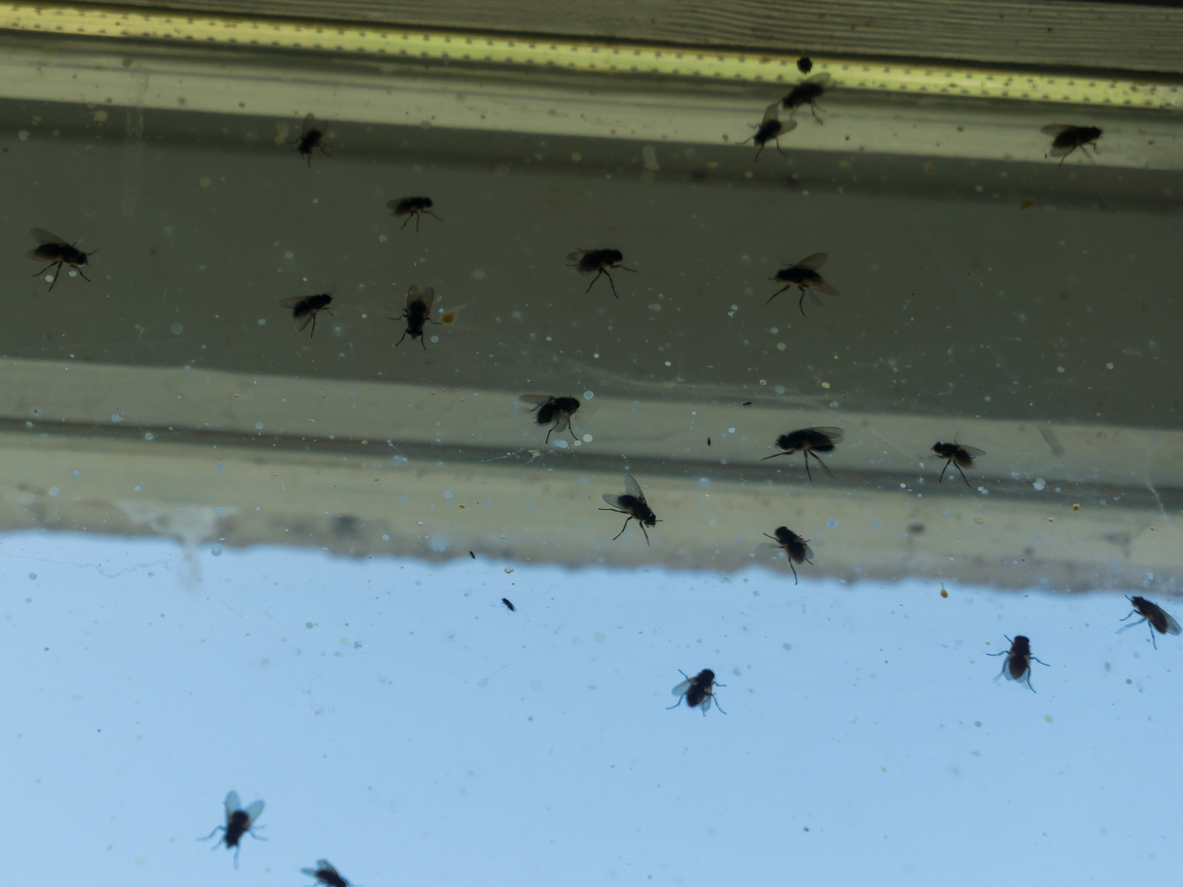
Removing the food, moisture, and shelter that flies depend on can help make your home and property less attractive to these persistent summer pests.
Keep Garbage Areas Clean
Trash and food waste are some of the most common attractants for summer flies.
To help reduce fly activity around your home:
- Keep trash cans covered with tight-fitting lids
- Secure garbage bags before disposal
- Remove household garbage regularly
- Wash garbage and recycling bins as needed
- Clean away food residue and spills around containers
- Avoid allowing food waste to sit outdoors during hot weather
Even small amounts of decaying organic material can attract flies and provide opportunities for feeding and reproduction. Consistent sanitation is one of the most effective ways to discourage fly activity.
Eliminate Excess Moisture
Moisture plays an important role in the life cycle of many fly species. Reducing damp conditions around your home can help limit potential breeding sites.
Helpful moisture-control measures include:
- Repairing leaking faucets, pipes, and plumbing fixtures
- Clearing slow or clogged drains
- Improving drainage around the foundation
- Using fans or dehumidifiers in damp areas
- Addressing moisture issues in basements, utility rooms, and crawl spaces
Summer humidity already provides favorable conditions for many flies. Limiting additional sources of moisture can help make your property less attractive to these pests.
Store Fruits and Produce Properly
Fruit flies are attracted to ripening produce and sugary residues that are often found in kitchens.
To help reduce fruit fly activity:
- Refrigerate ripe fruits and vegetables when possible
- Clean countertops and food preparation surfaces regularly
- Wipe up spills as soon as they occur
- Rinse beverage containers before placing them in recycling bins
- Avoid leaving fruit or other food items out overnight
Good food storage and sanitation practices can go a long way toward preventing fruit flies from becoming established indoors.
Maintain Clean Pet Areas

Homes with pets may experience higher fly pressure during summer.
Homes with pets often provide additional food and moisture sources that can attract flies during the summer months.
To help reduce pet-related fly activity:
- Remove pet waste as soon as possible
- Clean pet feeding areas regularly
- Wash food and water bowls frequently
- Avoid leaving wet pet food out for extended periods
- Store pet food in sealed containers when possible
Good sanitation around pet areas can help reduce conditions that attract flies and other nuisance pests.
Check for Entry Points
Many flies gain access to homes through small gaps and openings that often go unnoticed. Preventing entry is an important part of long-term fly management.
Inspect your home for:
- Torn or damaged window screens
- Worn door sweeps
- Gaps around pipes, wires, and utility lines
- Exterior doors that do not seal properly
- Cracks around windows, foundations, and siding
- Damaged or broken windows
Sealing potential entry points can help reduce fly activity indoors while also helping keep other pests outside where they belong.
Reduce Fly Activity During Outdoor Gatherings

Cookouts, parties, and backyard dining can naturally attract flies. To help reduce activity around these events:
Outdoor meals, cookouts, and backyard events can create ideal conditions for flies by providing easy access to food and beverages.
To help keep flies away during gatherings:
- Cover food whenever possible
- Dispose of empty drink containers promptly
- Place trash receptacles away from seating and dining areas
- Clean grills after cooking
- Wipe down tables and outdoor furniture after meals
A few simple cleanup habits can help make outdoor entertaining more comfortable throughout the summer.
When Fly Problems Persist
Because flies reproduce quickly, eliminating the adults you see rarely solves the underlying issue. Hidden breeding sites, moisture problems, and unnoticed entry points can allow fly populations to continue developing even after visible flies have been removed.
Professional pest management focuses on identifying the source of the activity and addressing the conditions that support ongoing fly populations.
At Franklin Pest Solutions, we help homeowners throughout Indiana identify the causes of recurring fly problems and provide practical pest management solutions tailored to their property.
If flies are becoming a regular nuisance around your home this summer, our team can help. Contact us today to schedule an inspection.