
Flying & Stinging Insect Solutions
Flying & Stinging Insect Pest Control in Indiana
Stinging insects, such as wasps, hornets, and bees, can quickly turn a peaceful backyard into a hazardous zone. If you’ve noticed increased buzzing around your property or spotted a nest forming near your home, it’s time to take action. Franklin Pest Solutions offers professional stinging insect pest control across Indiana and Louisville, KY, protecting your family, pets, and outdoor spaces from potentially dangerous encounters. Contact us today to schedule an inspection to keep your family and your property safe.
Tell Us About Your Pest
We can diagnose the problem and get you serviced right away!
Send us a message and describe your pest situation. One of our experts will be in touch.
Types of Stinging Insects
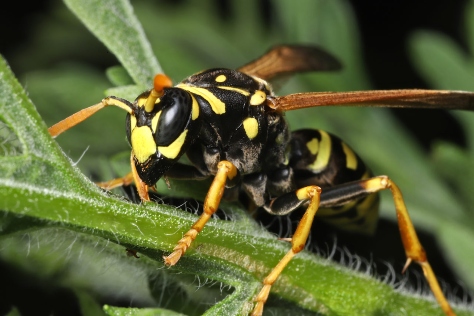
Stinging insects include a variety of species equipped with stingers used for defense and hunting. Common types found throughout Indiana include:
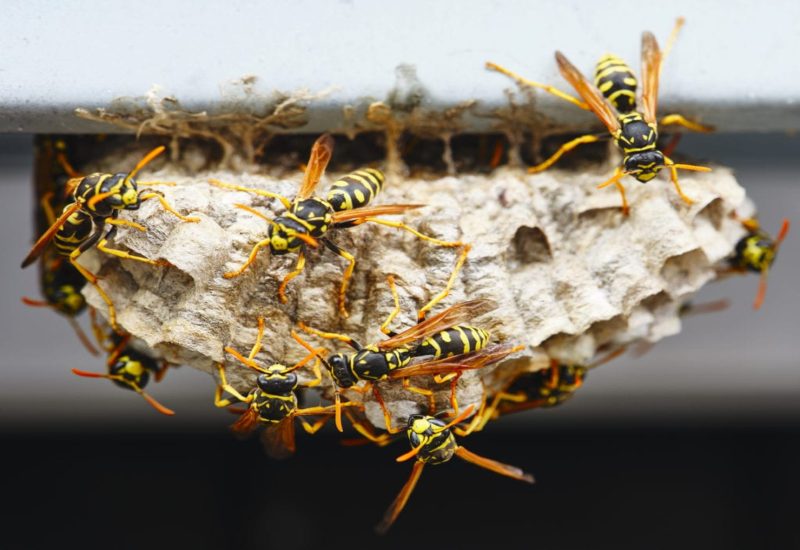
- Paper Wasps – Easily identified by their distinctive, open-comb, umbrella-shaped nests, paper wasps frequently build their homes in sheltered locations, such as under the eaves of houses, in attics, or behind window shutters.
- Yellow Jackets – Known for their aggressive behavior, especially when their nest is disturbed, these wasps typically build their nests in the ground. You may also find them in enclosed spaces, such as wall voids or hollow logs.
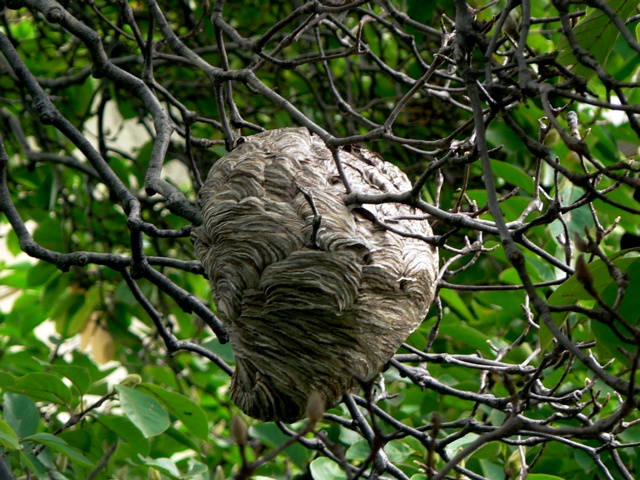
- Bald-Faced Hornets – Despite their name, these are a type of large, black-and-white yellow jacket. They’re notorious for constructing large, football-sized nests, which are often suspended from tree branches or attached to the sides of buildings.
- Mud Daubers – Unlike social wasps, mud daubers are solitary. They’re named for the nests they construct from mud, which often look like small tubes or cylinders attached to walls, ceilings, and other flat surfaces.
- Carpenter Bees – These large bees resemble bumblebees but are known for their wood-boring behavior. They create tunnels in untreated wood to lay their eggs, which can lead to structural damage in homes, decks, and fences over time.

Signs of a Stinging Insect Nest
Catching an insect nest early can prevent painful stings and property damage. Here’s what to watch for:
- Visible Nests or Hives – Many stinging insects construct elaborate hives that are hard to miss once they reach a certain size. Check trees, shrubs, under roof eaves, and along building walls. If you spot a nest, don’t attempt to remove it yourself. These insects become highly defensive when their home is threatened.
- Constant Buzzing Sounds – A persistent buzzing in your yard could indicate a nearby colony. Stinging insects generate distinctive sounds when flying, and increased activity usually means a nest is close.
- Frequent Indoor Sightings – Finding the occasional bee near a window is normal, but repeated appearances inside your home suggest a more serious problem. Wasps and hornets entering through small gaps may indicate a nest in your wall voids or attic space. Carpenter bees boring into wood siding or deck posts also signal an active nest.
- Increased Outdoor Activity – Notice more wasps hovering around your garbage bins, outdoor dining areas, or poolside? Stinging insects are attracted to sugary drinks, protein sources, and water. A sudden spike in their presence often precedes nest establishment.
How to Prevent a Stinging Insect Nest
Prevention is always easier than removal. These strategies can help keep stinging insects away from your Michigan City, Louisville, or Indianapolis property:
- Eliminate Food Sources – Stinging insects are opportunistic feeders drawn to accessible food and drinks. Keep outdoor eating areas clean by promptly disposing of garbage in sealed containers and rinsing recyclables before tossing them.
- Seal Entry Points – Inspect your home’s exterior for cracks, gaps, and holes that could serve as entry points or nesting sites. Pay attention to foundation cracks, gaps around windows and doors, utility line penetrations, damaged siding or fascia boards, and vents in the attic and crawl space.
- Maintain Your Landscape – Overgrown vegetation creates ideal nesting conditions. Keep shrubs trimmed, remove dead branches, and fill rodent holes in your lawn—wasps often repurpose these burrows for their colonies.
- Remove Standing Water – Water sources attract various flying pests. Empty bird baths regularly, repair leaky outdoor faucets, and ensure proper drainage around your property.

Our Stinging Insect Control Process
When you contact Franklin Pest Solutions for wasp pest control, you’re getting a comprehensive service. Our process begins with a thorough property inspection to identify all nesting sites, entry points, and conducive conditions. We then conduct specific insect identification to determine the most effective and safest removal method to protect beneficial pollinators while eliminating aggressive pests. Based on our findings, we develop a treatment plan using EPA-regulated and eco-friendly materials, targeting the root of the problem. We also provide recommendations for ongoing hornet pest control, which may include landscaping adjustments or structural repairs.
Frequently Asked Questions
What About Honey Bees?
We partner with local beekeepers in every area we serve to safely relocate honey bees when we encounter them.
Will the Products You Use Hurt the Butterflies in My Yard?
Our products are applied carefully and precisely to target and remove the specific stinging insect nest. They will not harm other insects, like butterflies, in your yard.


Take Back Your Space Today
Don’t let stinging insects keep you trapped indoors during Indiana’s beautiful warm months. Whether you’re in Hammond, Michigan City, South Bend, Lafayette, Indianapolis, or Louisville, our professional stinging insect removal services can restore your ability to enjoy your property safely. Our licensed technicians use safe, effective methods to eliminate stinging insect colonies and control future nests. If you’ve spotted signs of a stinging insect nest or want to implement control measures before the problem starts, contact us today to schedule a service. Our commitment is to provide you with the protection you need and the peace of mind you deserve.
Take Back Your Space Today
Don’t let stinging insects keep you trapped indoors during Indiana’s beautiful warm months. Whether you’re in Hammond, Michigan City, South Bend, Lafayette, Indianapolis, or Louisville, our professional stinging insect removal services can restore your ability to enjoy your property safely. Our licensed technicians use safe, effective methods to eliminate stinging insect colonies and control future nests. If you’ve spotted signs of a stinging insect nest or want to implement control measures before the problem starts, contact us today to schedule a service. Our commitment is to provide you with the protection you need and the peace of mind you deserve.
