
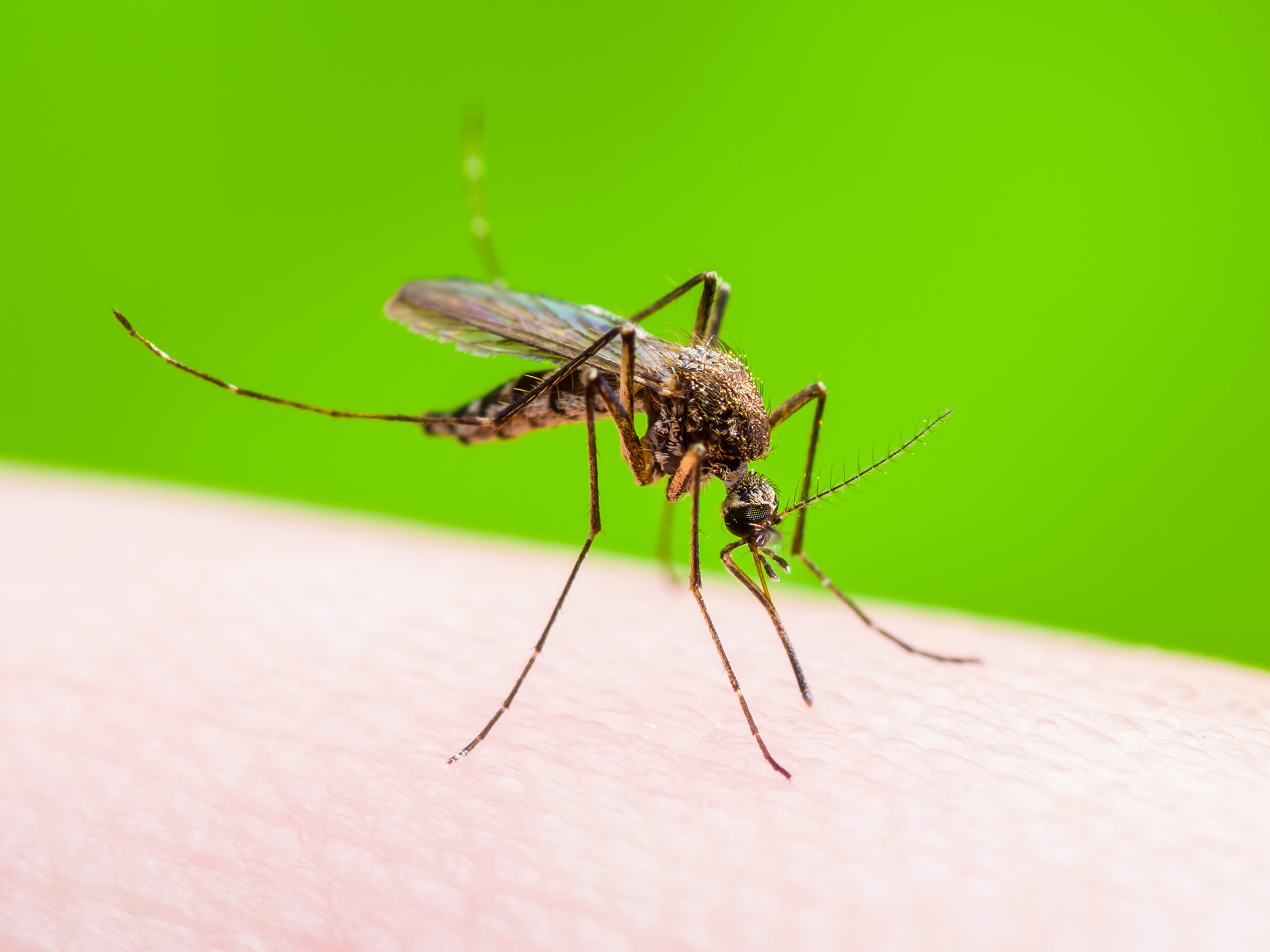
National Mosquito Control Awareness Week, observed June 21–27, helps raise awareness about mosquitoes, the diseases they can spread, and the importance of prevention. The observance was established in 1996 by the American Mosquito Control Association. Dr. Gary Clark, then president of the association, helped develop the program. Dr. Stanton E. Cope of Franklin Pest Solutions also contributed as a member of AMCA’s Public Relations Committee.

National Mosquito Control Awareness Week was established by the American Mosquito Control Association in 1996.
Today, Dr. Cope continues educating homeowners about mosquito biology, mosquito-borne illnesses, and practical methods for limiting mosquito activity around homes and businesses.
To better understand the importance of mosquito prevention, it helps to first understand the mosquito itself.
What is a Mosquito?
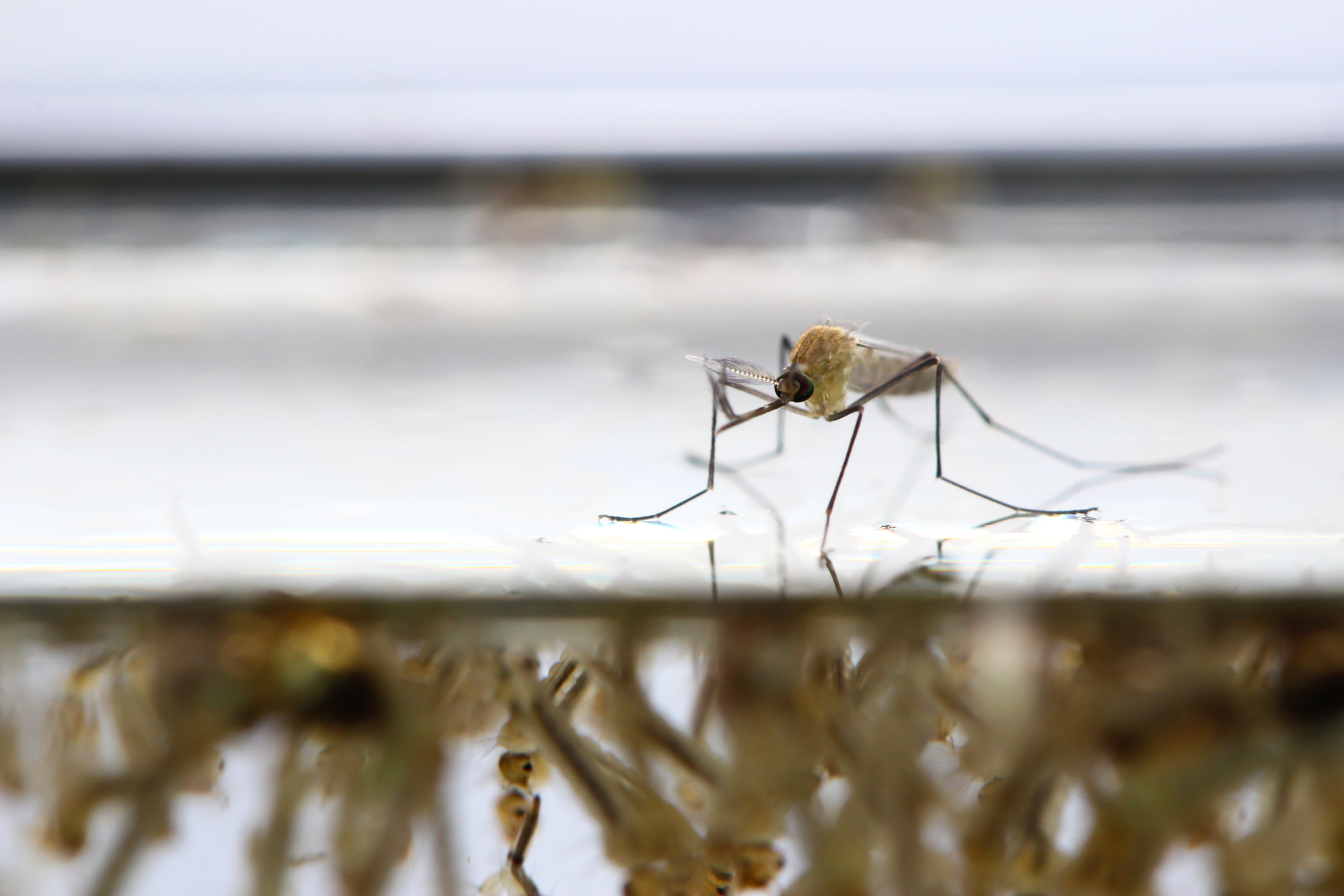
Known for the itchy red bumps they leave behind, mosquitoes are small flying insects. Only female mosquitoes bite because they require a blood meal to produce eggs. Those eggs are typically deposited in standing water. Mosquitoes are also known as disease vectors because they can transmit pathogens that cause illnesses such as West Nile virus, malaria, dengue, and Zika.
Franklin Pest Solutions is proud to help protect people and pets from mosquitoes and is backed by one of the nation’s leading mosquito experts.
We’ll never eliminate mosquitoes completely. It’s estimated that more than one quadrillion mosquitoes are alive on Earth at any given time. That’s 15 zeroes – 1,000,000,000,000,000. That’s a lot of mosquitoes. The best thing people can do is eliminate breeding sites, dress appropriately, and use an effective mosquito repellent.
Homeowners can also work with Franklin Pest Solutions to reduce mosquito activity around their property with a customized seasonal mosquito management program.
What is a Culicidologist?

Dr. Stan Cope
Culicidologist: Noun; an entomologist who specializes in mosquitoes. The word comes from the Latin root “culex” which means “midge” or “gnat”.
Franklin’s own culicidologist, Dr. Stan Cope, has earned a few nicknames throughout his career. Many in the industry know him as Captain Stan the Mosquito Man. Others call him Dr. Stan, Dr. Cope, or simply “Hey You.” (Fortunately, he has a good sense of humor.)
Before joining Franklin Pest Solutions, Dr. Cope spent more than 23 years serving as a medical entomologist in the United States Navy. During his distinguished career, he helped author the pest management industry’s “mosquito bible” and later served as Director of the Armed Forces Pest Management Board. He also oversaw pest management programs for the Department of Defense in Washington, D.C.
His military service focused on protecting service members from pests and the diseases they can spread. Today, he continues that mission by helping homeowners and businesses better understand mosquitoes and the risks they present.
According to Dr. Cope, one of the most important things people should remember is that mosquitoes can transmit viruses, and viruses like West Nile are often unpredictable. While mosquito-borne illnesses are not new, taking proactive steps can help reduce the risk of exposure.
After decades studying mosquitoes around the world, Dr. Cope remains convinced of one important fact: mosquitoes are more than just an annoying backyard pest. Their potential impact on public health makes it important to separate mosquito myths from mosquito facts.
Common Mosquito Myths
Mosquitoes have existed for millions of years, yet misconceptions about them remain surprisingly common. Let’s take a closer look at some of the most common mosquito myths and the facts behind them.
Mosquito-repelling plants are worth the investment.
There is little scientific evidence that these plants substantially reduce mosquito activity. Even if mosquitoes avoid one area, they can easily relocate to another part of the yard.
Eating certain foods or taking vitamins will keep mosquitoes away.
Garlic isn’t the answer. Vitamins aren’t either. Mosquitoes find their hosts by detecting hundreds of chemical signals produced naturally by the human body, not by specific foods or supplements someone consumes.
Citronella candles and tiki torches keep mosquitoes away.
Many homeowners rely on mosquito-repelling candles and torches, but these products offer limited protection from mosquito bites. While they may provide some localized benefit, they do little to significantly reduce mosquito activity.
Bug zappers kill lots of mosquitoes.
While bug zappers attract and kill a variety of flying insects, very few of them are actually mosquitoes. Studies havefound that most insects caught are harmless or even beneficial, with mosquitoes accounting for only a small percentage of the total catch.
Mosquito-repelling wristbands provide good protection.
Mosquito-repelling wristbands are often promoted as a convenient way to prevent bites, but research has found they offer little meaningful protection against mosquitoes.
Bats control mosquitoes.
Although bats do consume mosquitoes, they make up only a very small portion of a bat’s diet. While bats provide many environmental benefits, they should not be considered a reliable form of mosquito control.
Now that we’ve addressed some of the most common mosquito myths, let’s explore the strategies that actually help reduce mosquito bites and lower the risk of mosquito-borne diseases.
What Really Helps Prevent Mosquito Bites?
Female mosquitoes are the only mosquitoes that bite. They require the protein found in blood to develop their eggs, and a single blood meal can provide enough nourishment for a mosquito to lay hundreds of eggs.
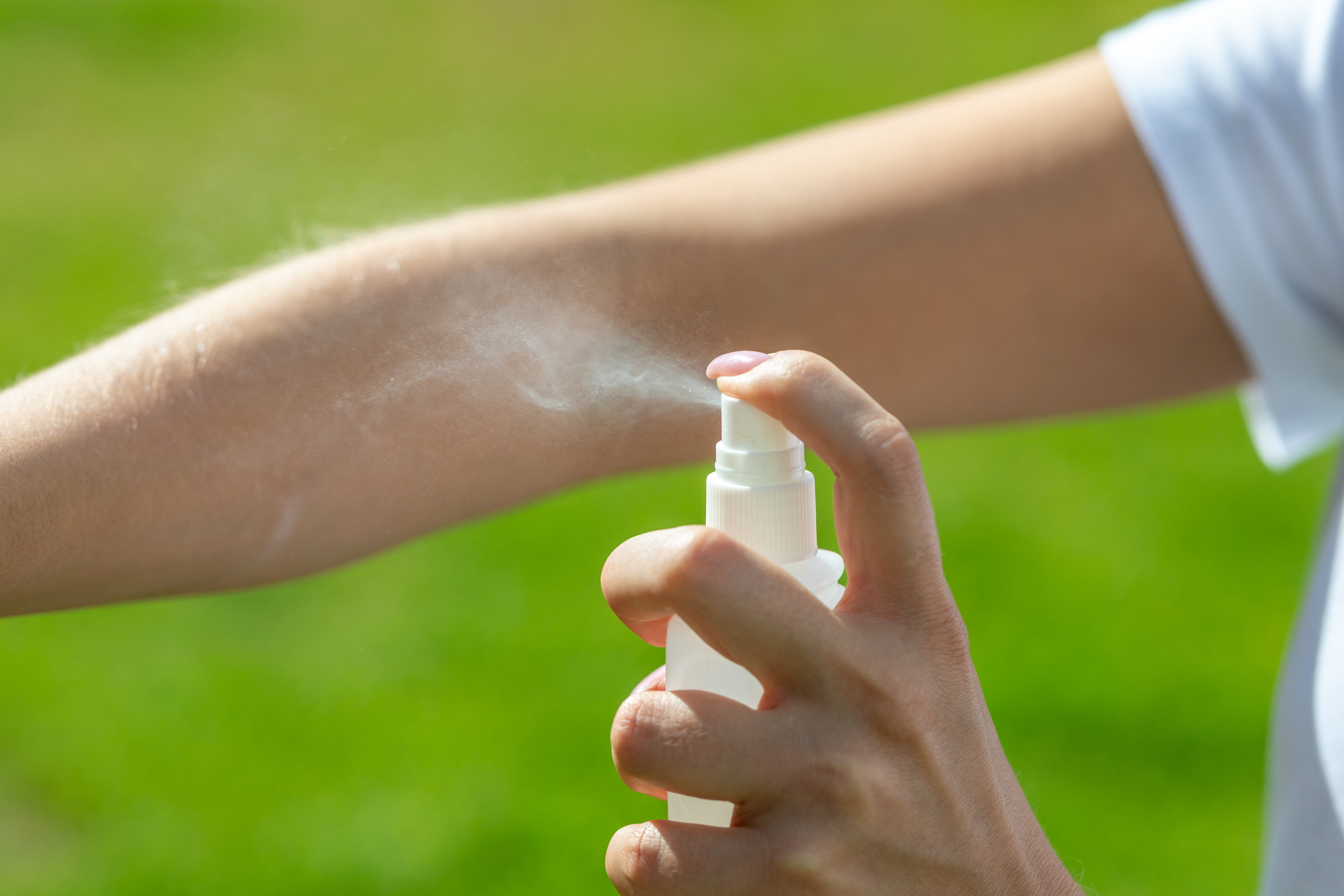
One of the best ways to prevent mosquito bites is to use an insect repellent that contains an active ingredient approved by the U.S. Environmental Protection Agency (EPA). Common EPA-registered active ingredients include DEET, picaridin, IR3535, and oil of lemon eucalyptus.
The Centers for Disease Control and Prevention (CDC) states that EPA-registered insect repellents are both safe and effective when used as directed on the product label.
Dr. Stan’s Mosquito Repellent Tips
- Select a repellent that contains an EPA-approved active ingredient.
- If choosing a DEET-based product, look for one with 25% DEET or less.
- Always follow the application instructions provided on the label.
- Be sure to apply repellent to lower legs, ankles, and feet, which are common mosquito target areas.
- Reapply as directed, especially when spending long periods outdoors.
- Bring insect repellent when traveling, particularly to destinations where mosquito-borne diseases are more prevalent.
Why Are Mosquitoes a Public Health Concern
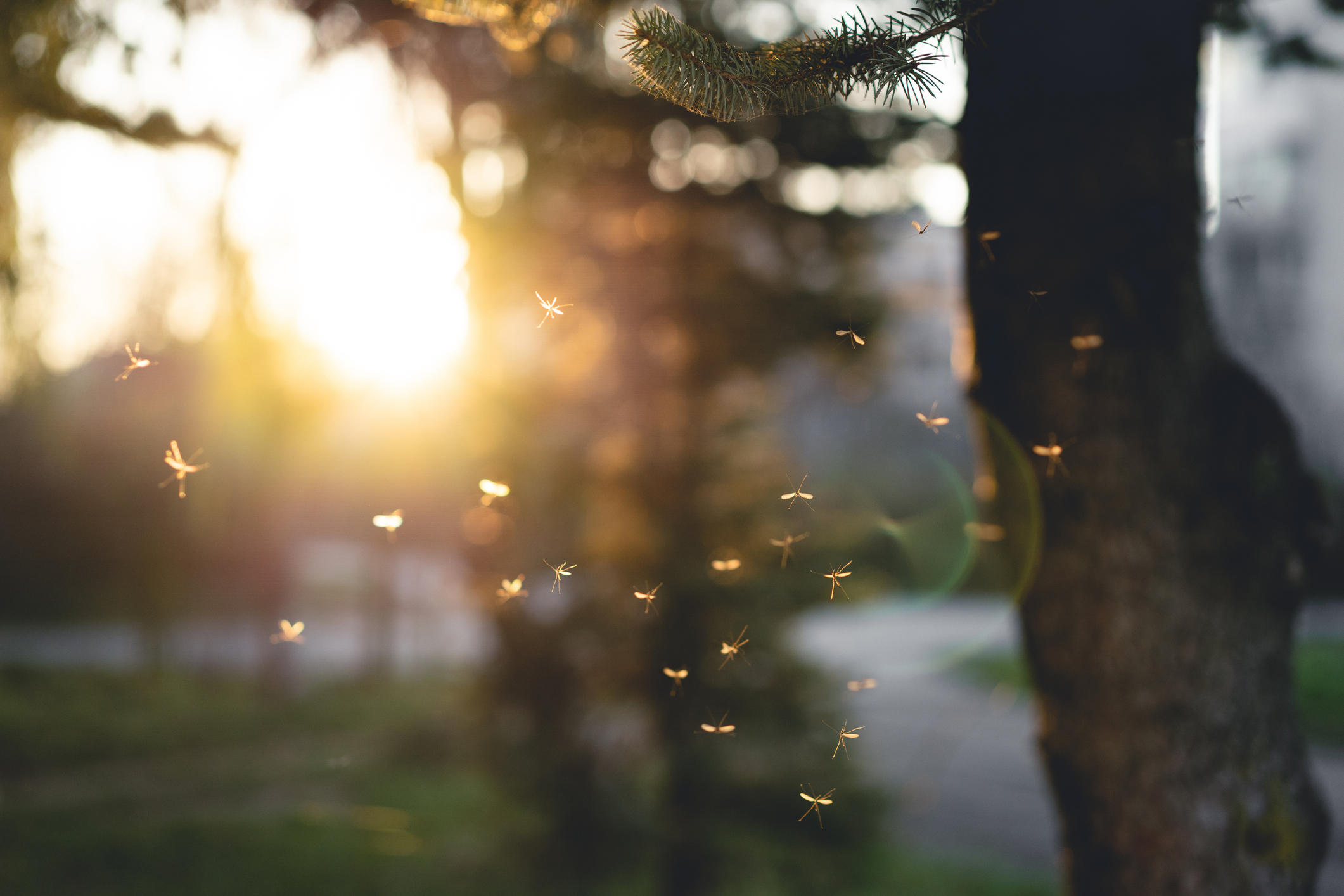
Mosquitoes are more than an annoying part of summer. Because they feed on blood, they can transmit viruses that may cause illness, long-term health complications, and, in rare cases, death.
West Nile virus remains the most common mosquito-borne disease in the Midwest, but it is not the only health concern. Mosquitoes are also capable of spreading viruses such as Eastern equine encephalitis, La Crosse encephalitis, Jamestown Canyon virus, and St. Louis encephalitis. Although uncommon, Western equine encephalitis has been identified in portions of the United States as well.
Fortunately, there are several ways to reduce your risk. Using EPA-registered insect repellents, minimizing exposure to mosquito bites, and eliminating mosquito breeding areas around your property can help protect you and your family from mosquito-borne diseases.
Even when disease transmission is not a concern, mosquito bites can still be uncomfortable. Many bites result in itchy, red welts that can linger for several days. Excessive scratching, particularly among children, can damage the skin and increase the chance of a secondary infection.
To relieve itching, consider using an anti-itch product according to the label directions or applying a cold compress to the affected area. If symptoms persist or worsen, consult your healthcare provider.
Key Takeaways for Homeowners

Mosquitoes have survived for millions of years and remain one of the most successful insects on the planet. While there is no shortage of products claiming to keep mosquitoes away, the most effective approach is still the simplest: understand how mosquitoes behave, eliminate standing water, use EPA-registered repellents properly, and take proactive steps to reduce mosquito activity around your home.
National Mosquito Control Awareness Week is a valuable reminder that mosquitoes are more than just an outdoor annoyance. They can affect public health, limit outdoor activities, and reduce quality of life. By understanding the facts, avoiding common misconceptions, and following proven prevention practices, homeowners can better protect themselves, their families, and their pets throughout mosquito season.
To help families enjoy their yards with fewer mosquitoes, Franklin Pest Solutions is offering $75 off any new Healthy Home Maintenance Program + Mosquito Services package. To take advantage of this offer, call 1-800-GOT-PESTS? and mention the code words “mosquito blog.”
For additional mosquito prevention tips or to schedule a free assessment, contact the mosquito experts at Franklin Pest Solutions today.