
How to Keep Stink Bugs (and Other Fall Pests) Out of Your Home
As the seasons shift from summer to fall, you may notice clusters of insects gathering on the sunny sides of buildings—or even sneaking indoors. Common culprits include stink bugs, boxelder bugs, Asian lady beetles, and cluster flies. Collectively, these are called overwintering pests. Unlike pantry pests or termites, they aren’t moving in to eat or destroy your home. They’re simply searching for a warm spot to hunker down until spring. Unfortunately, houses make the perfect hideaway. So, what’s the best way to deal with these fall invaders? Let’s take a closer look.

Meet the Most Common Fall Invaders
Here are the top four overwintering insects you’re most likely to encounter in the Midwest:
-
Brown marmorated stink bugs (BMSB): Originally from Asia, these shield-shaped bugs feed on crops and plants during warm months. Once temperatures dip, they start scouting for sheltered spots to survive the cold.
-
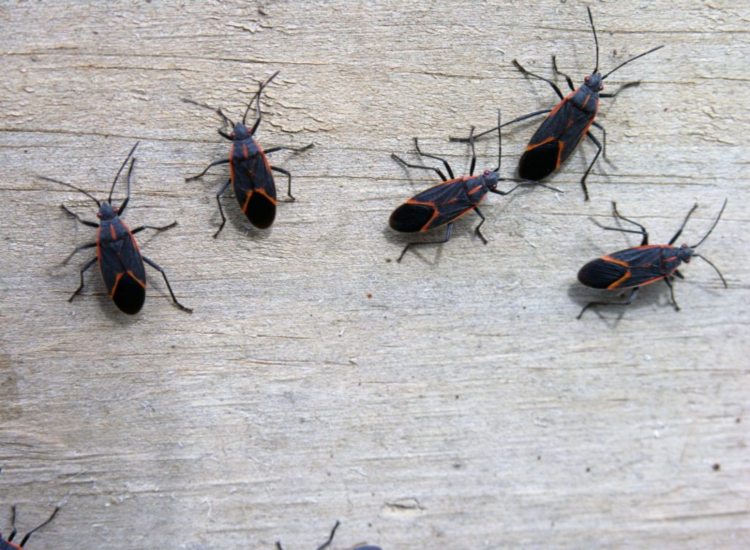
Boxelder bugs: Recognizable by their black bodies with red outlines forming an upside-down “V,” these bugs often swarm near homes surrounded by boxelder, maple, or ash trees.
-
Asian lady beetles: Frequently mistaken for native ladybugs, these beetles vary in color and markings (some even have no spots). Introduced to control aphids, they’ve since become a seasonal nuisance.
-
Cluster flies: Slightly larger than houseflies, they enter homes in large groups and often die indoors—attracting other scavengers. Their larvae develop in soil by feeding on earthworms, and the adults emerge near homes in fall.
Why Do They Gather Around Houses?
When fall days are still sunny, south- and west-facing walls become magnets for overwintering pests. These spots stay warmer longer, making them ideal staging areas before the bugs try to move inside. In the wild, they would normally shelter under tree bark or in rock crevices. In neighborhoods, your siding, eaves, and attic offer an even better alternative. Once a few insects settle in, pheromones (chemical signals) attract more, quickly turning a handful into a swarm.
Are They Harmful?
The upside: these pests aren’t destructive. They don’t chew wood, gnaw wires, or reproduce indoors. But that doesn’t mean they’re harmless. They can:
-
Leave stains on walls, drapes, and upholstery.
-
Release strong, unpleasant odors when disturbed.
-
Congregate in large, annoying numbers.
-
Cause mild allergic reactions—or bite on very rare occasions.
Do DIY Fixes Actually Work?
Many homeowners try quick remedies when the first insects appear:
-
Soapy water spray: Kills on contact but doesn’t prevent new invaders.
-
Vacuuming: Removes them from your living space, but odors and stains can linger inside the machine.
While these methods may provide temporary relief, they don’t stop the steady stream of overwintering pests trying to get in.
Long-Term Solutions for Prevention
The real key is prevention before entry. Late summer and early fall are the best times to fortify your home against stink bugs, boxelder bugs, Asian lady beetles, and cluster flies. Steps to take include:
-
Sealing cracks, gaps, and crevices around windows, doors, siding, and the foundation.
-
Replacing worn weatherstripping and adding door sweeps.
-
Repairing or replacing torn window screens. (Remember—some insects need less than 1/8-inch opening to squeeze in!)
-
Scheduling a professional perimeter treatment to create an invisible barrier that stops these pests from ever getting inside.
Final Thoughts
If you’ve started noticing swarms of stink bugs, cluster flies, boxelder bugs, or Asian lady beetles near your home, it means they’re looking for a place to spend the winter. DIY tricks may help in the short term, but the most effective solution is exclusion—closing off entry points and applying protective treatments before the pests move in.
Don’t wait until you’re vacuuming up bugs from your living room. Take action now. Contact us today for a free inspection and to secure your home before overwintering pests settle in.