
Most homeowners NEVER see termites until damage has already started. That is because termites work quietly behind walls, under floors, and inside wooden structures where they can remain hidden for months or even years.
Your home is more than just a structure. It is where your family gathers, where your children grow, and where your pets feel safe. Protecting your home from termites helps protect your comfort, your investment, and your peace of mind.
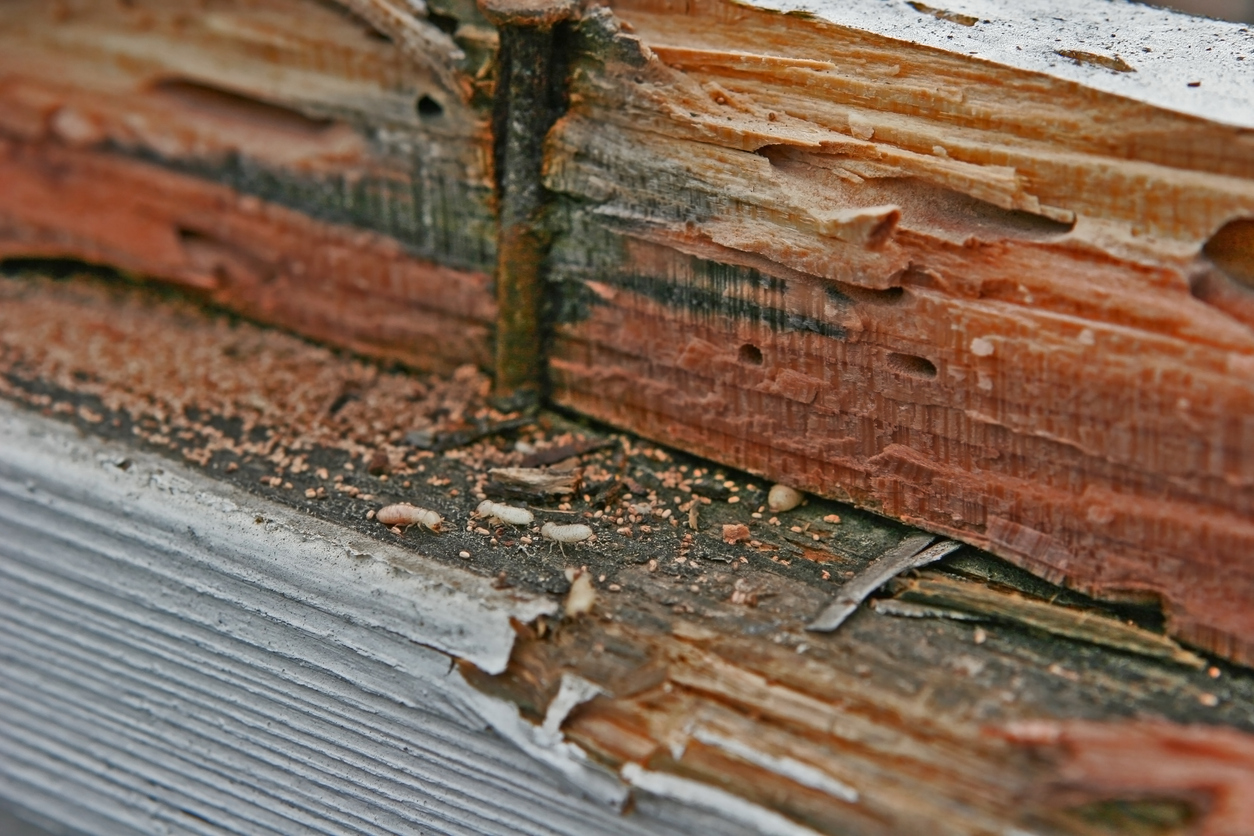
Signs of Termite Activity
Termite damage can easily be mistaken for water damage or normal aging of materials. The signs are often subtle at first, which is why routine inspections are so important for homeowners.
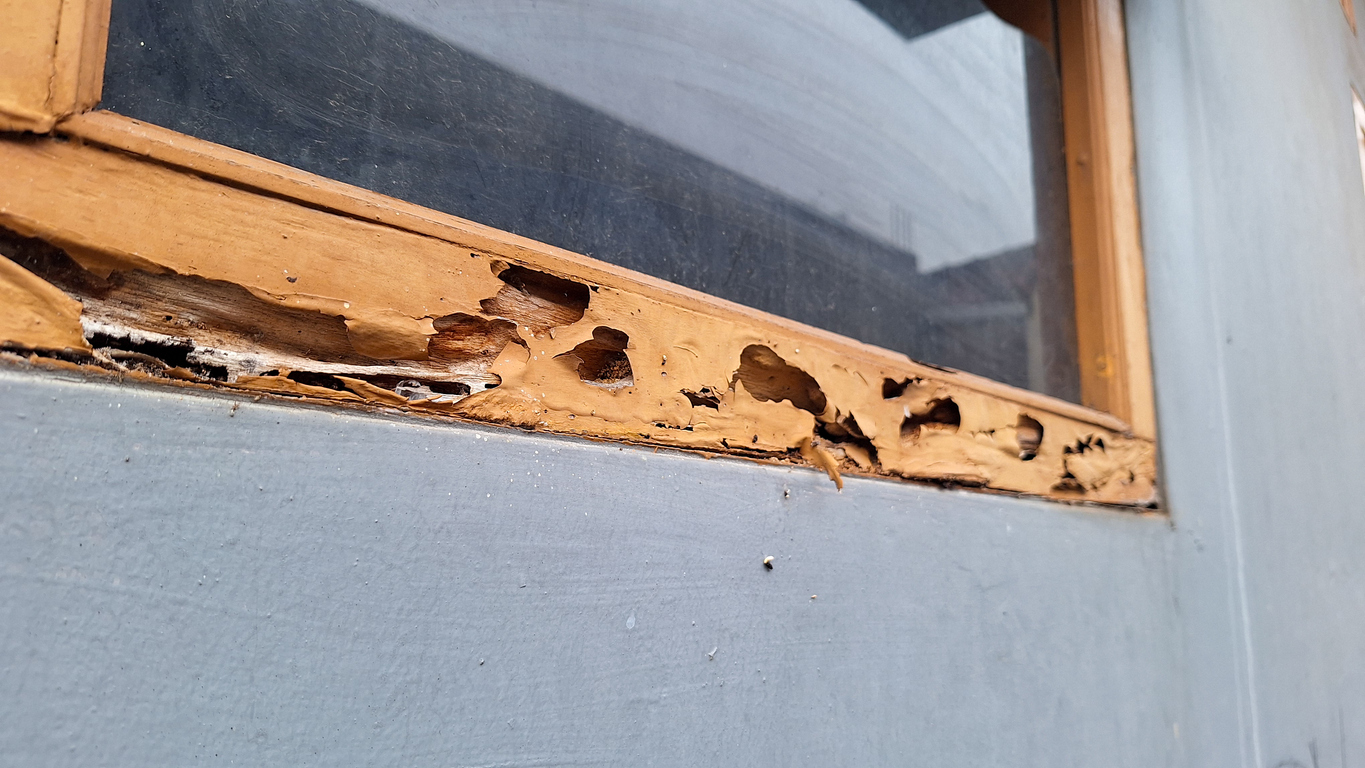
Here are 5 of the most common warning signs to watch out for:
- Mud tubes along foundations or walls
These small, pencil sized tubes are built from soil, wood particles, and moisture. They allow termites to travel safely between the soil where they live and the wood inside your home. - Wood that sounds hollow when tapped
Termites eat wood from the inside out. If wood sounds hollow or feels weak, there may be hidden termite activity. - Bubbling or peeling paint or wallpaper
This may LOOK like water damage, but it can also be a sign that termites are tunneling just beneath the surface. - Doors or windows that suddenly stick
As termites damage wooden supports, small shifts can occur in your home that affect how doors and windows open and close. - Discarded wings near windows or doors
Winged termites, called swarmers, leave behind small piles of wings after they find a place to start a new colony. This is often the first visible sign homeowners notice.
What Attracts Termites?
Like all living creatures, termites are drawn to food, moisture, and shelter. Many homes naturally provide these conditions, even when they are well maintained.
Here are some common situations that can make a property more attractive to termites:
- Excess moisture around the foundation
- Wood that comes into direct contact with soil
- Firewood stored close to the house
- Tree stumps or wood debris in the yard
- Leaky gutters or downspouts
- Mulch piled too high against siding or foundations
- Poor drainage around the home
- Small cracks or gaps in the structure (1/32”)
Even homes that look clean and well cared for can still attract termites. That is why prevention and regular inspections play such an important role in protecting your property.
When Do Termites Swarm?
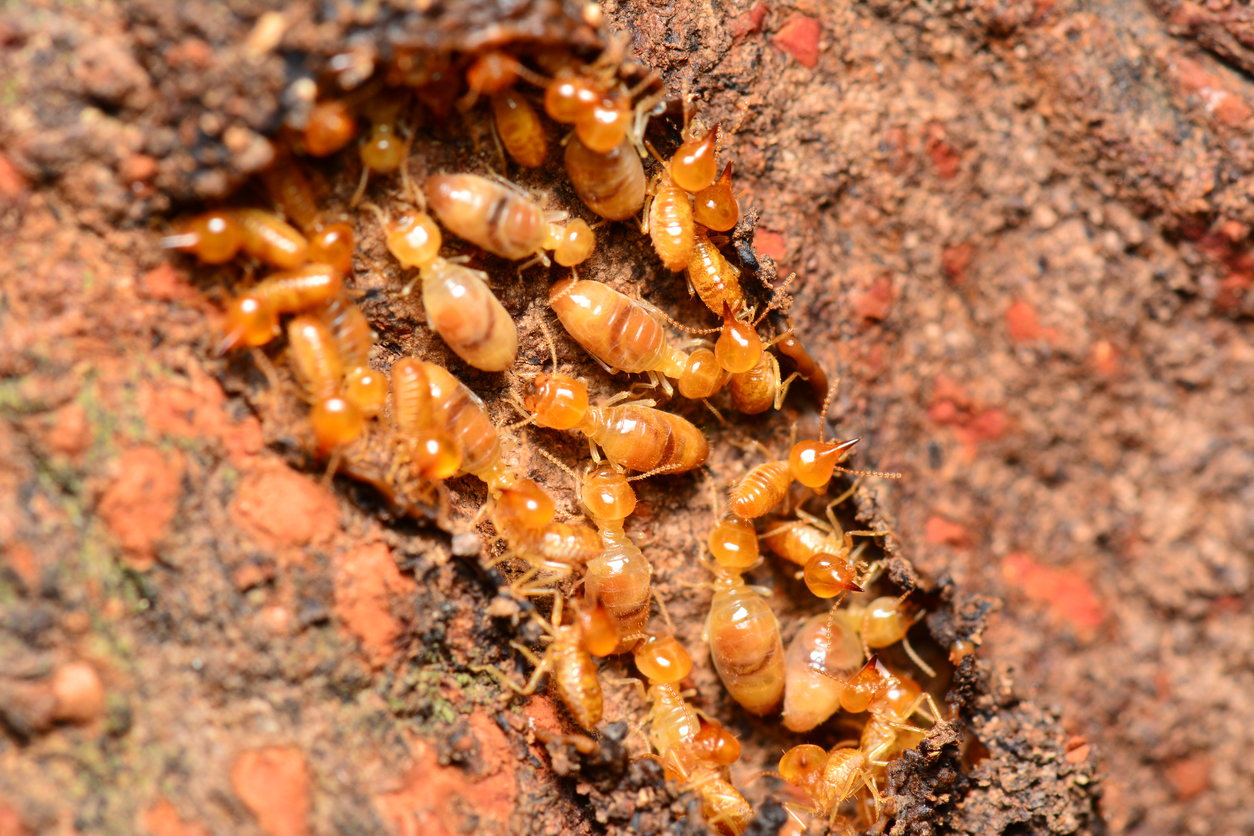
In the Midwest, termite swarms usually occur in the spring when temperatures begin to warm and moisture levels increase.
Most homeowners notice swarms:
- Between March and May
- On warm afternoons
- After rainfall
- Near windows, doors, or outdoor lights
If you see flying insects that look like ants but have equal-sized wings, it is a good idea to schedule an inspection. Early action can prevent small problems from becoming expensive repairs.
Are Termites in Your Area?
Yes. Termites are found throughout the Midwest and Great Lakes region. The most common species in our area is the Eastern subterranean termite, which lives underground and travels through soil to reach wooden structures.
These termites are responsible for billions of dollars in property damage each year across the United States. Many homeowners are surprised to learn that termite damage is typically not covered by standard homeowners insurance policies.
Termite Treatment Costs
The cost of termite treatment can vary depending on several factors, including:
- The size of the home
- The extent of termite activity
- The type of treatment needed
- How accessible the structure is for service
- Soil and moisture conditions around the property
One important thing to remember is that termite treatment and prevention are usually far less expensive than repairing structural damage. Addressing termite activity early helps protect both your home and your budget.
Termite Prevention Tips
Preventing termites often starts with small maintenance habits that reduce moisture and limit access to your home.
Here are practical steps you can take today:
Keep gutters and downspouts clear
Water should always flow AWAY from your foundation to reduce moisture buildup.
Store firewood away from your home
Keep firewood at least twenty feet from the structure and elevate it off the ground.
Maintain proper ventilation
Dry, well ventilated spaces are less attractive to termites, especially in basements and crawl spaces.
Seal cracks and gaps
Even very small openings can become entry points for termites. Remember that a termite can enter your structure through a space as little as 1/32” wide – about the thickness of a credit card.
Schedule routine termite inspections
Professional inspections are one of the most reliable ways to detect problems early and prevent damage.
Most pest management professionals recommend a termite inspection every year. At a minimum, homeowners should schedule an inspection every two years, even if there have been no previous issues.
Stay Ahead of Termites With Routine Inspections
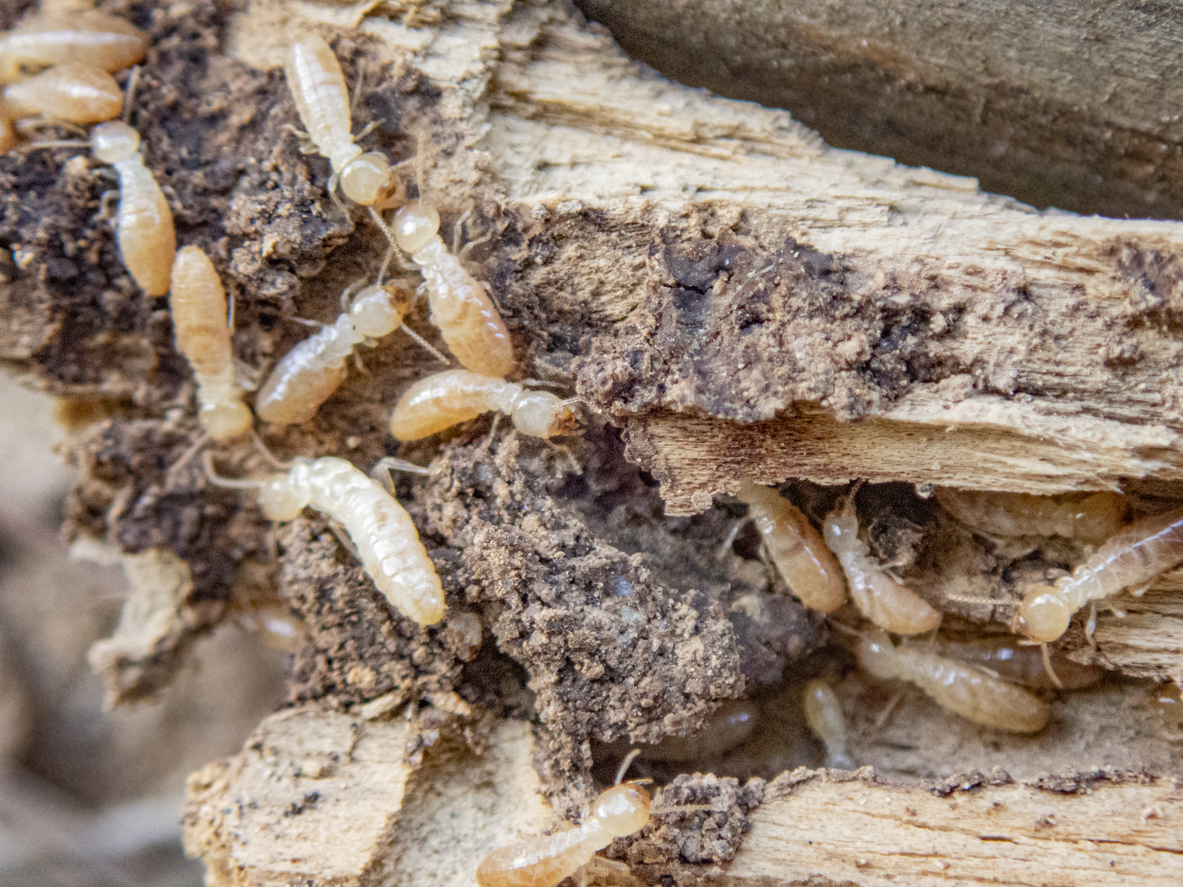
Your home is one of the most valuable investments you will ever make. Protecting it from termites is not just about preventing repairs. It is about safeguarding your family’s comfort, stability, and long-term financial well-being. Our Healthy Home Maintenance + Sentricon program provides continuous protection and reliable monitoring to help keep your home protected from this destructive pest.
If it has been more than two years since your last termite inspection, now is a smart time to schedule a visit with our team. A professional inspection from one of our trained experts can deliver the reassurance and confidence every homeowner deserves.