
Technical contributions by Allison Beach, B.C.E.-Intern, Technical Specialist for Franklin Pest Solutions
Rats have become an increasing concern across Midwest communities, and many homeowners are noticing more activity than ever before. Changes in weather patterns, aging infrastructure, and dense development all contribute to conditions that allow rats to thrive.
Understanding why rats are present and recognizing the early signs of activity can help protect your home, your health, and your property.
The Most Common Rat Species in the Midwest
The majority of rat activity in the Midwest is caused by one species, the Norway rat, also known as the brown rat.
Norway rats prefer to live at ground level, building burrows near foundations, sidewalks, and landscaped areas. From these nesting sites, they often move into basements, crawl spaces, and lower levels of buildings. Although they have a heavy appearance, Norway rats are strong climbers and capable swimmers, allowing them to access structures through a variety of openings.

Why Urban Areas Create Ideal Conditions for Rats
Rats are highly adaptable animals that survive wherever food, water, and shelter are easily available. Urban and suburban environments provide all three.
City conditions that support rat populations include access to food from trash containers, dumpsters, restaurants, and outdoor eating areas. Older homes and commercial buildings often have foundation cracks, utility openings, and aging sewer systems that provide shelter. Closely spaced neighborhoods allow rats to travel between properties unnoticed. Construction projects can disrupt underground burrows and force rats into nearby structures. Rivers, drainage systems, and standing water provide the moisture rats need to survive.
Commercial areas often experience higher rodent pressure due to shared waste areas and consistent food sources. Business owners can learn more about prevention through our commercial pest control services.
How Cold Weather Changes Rat Behavior

As temperatures drop, rats become more aggressive in their search for warmth, shelter, and reliable food sources. Midwest winters are long and unpredictable, making indoor environments especially attractive to rodents. Even a small opening the size of a quarter is enough for a rat to enter a heated structure.
Once rats gain access to a heated structure, they rarely leave on their own. Small openings around pipes, vents, and foundations are enough for entry. Activity commonly increases in basements, storage rooms, crawl spaces, and utility areas where warmth and limited disturbance allow rats to remain hidden.
During colder months, rats rely heavily on human food waste, which brings them closer to homes, restaurants, and commercial properties.
Health and Safety Risks Associated With Rats
Rats pose serious health and safety concerns when they invade a structure. Norway rats can contaminate surfaces and food with droppings and urine that may carry bacteria such as Salmonella or E coli. Airborne particles from waste and dander can trigger allergies or worsen asthma symptoms.
Rats are also known carriers of diseases including leptospirosis, hantavirus, and rat bite fever. In addition to health risks, their constant gnawing can damage wiring, insulation, and structural materials. It’s estimated that 20-25% of all fires of unknown origin may be caused by rodents (rats included) gnawing on electrical wires. Rat nesting materials can lead to structural damage and create serious risks for vehicles.
Common Signs of Rat Activity
Rat infestations are often hidden until populations increase. Watch for these common warning signs:
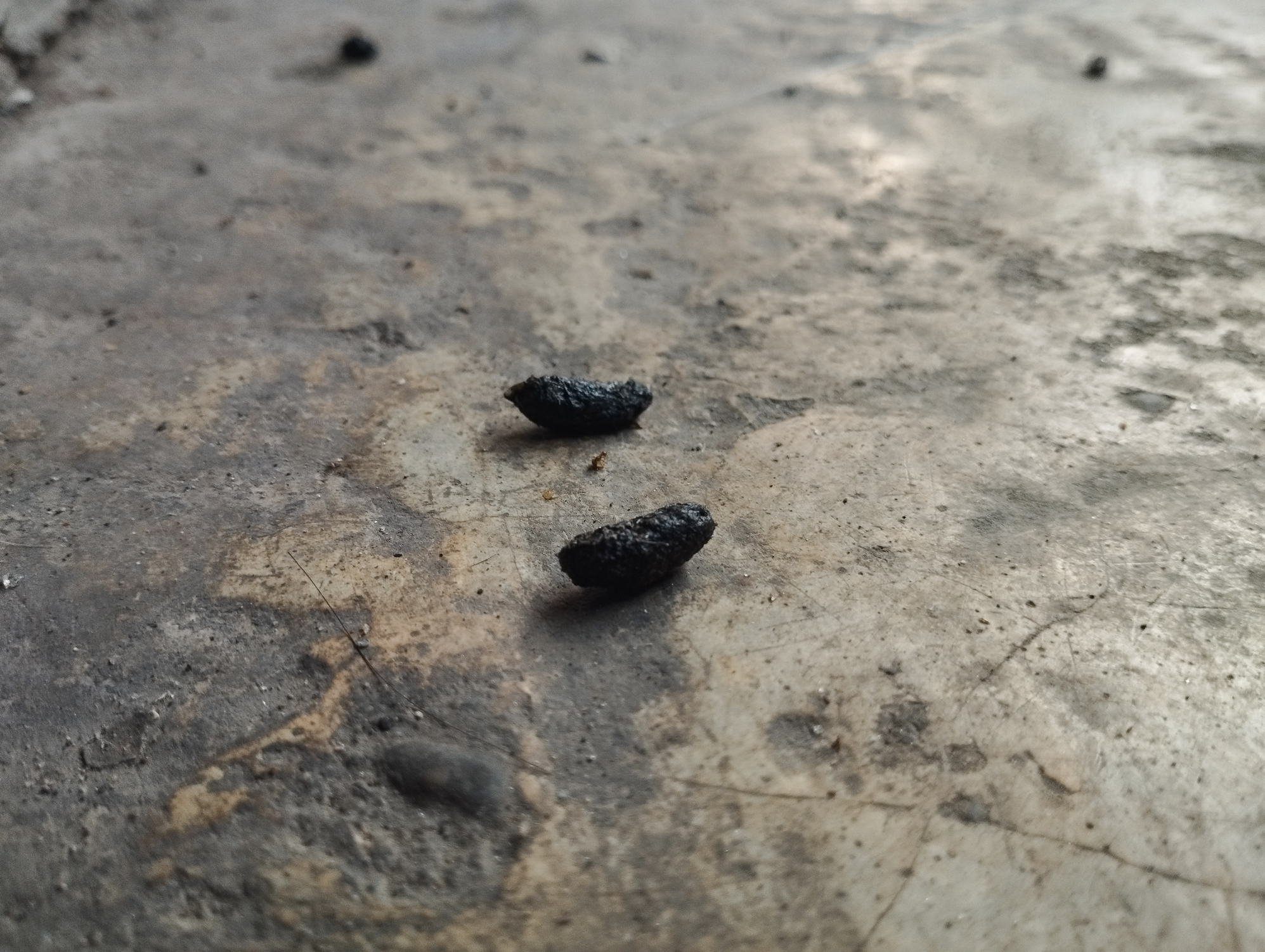
- Droppings that appear dark and capsule shaped near food sources or along walls
- Chew marks on wood, wiring, food packaging, or stored items
- Scratching, running, or squeaking sounds inside walls or ceilings, especially at night
- Greasy smudge marks along baseboards or foundations from repeated travel paths
- Burrows near buildings, patios, sheds, or landscaped areas
- Changes in pet behavior, such as alertness or fixation on certain areas
Even a single sign can indicate a larger problem, as rats rarely travel alone.
What Attracts Norway Rats to Homes and Neighborhoods
Rats are drawn to properties that provide easy access to food, water, and shelter. Common attractants include:
- Unsecured trash containers
- Spilled seed beneath bird feeders
- Pet food left outdoors
- Cluttered garages and sheds
- Outdoor grills
- Compost piles
- Wood stacked against structures
- Standing water caused by clogged gutters or leaking fixtures
Reducing these conditions can help limit rodent activity, but exclusion and professional monitoring are often necessary for long term control.
Rats reproduce quickly and adapt easily to their surroundings. Once activity is detected, professional treatment helps identify entry points, remove nesting areas, and prevent future infestations. Franklin Pest Solutions has been protecting homes and businesses from rodents for generations. If you are noticing signs of rat activity or want a proactive inspection, our experienced team is ready to help keep your property protected.