

You’re grabbing a late-night snack when a small gray blur zips across the kitchen floor. Your heart jumps. You really want to believe it was a fluke—just one mouse that wandered in and will disappear just as quickly.
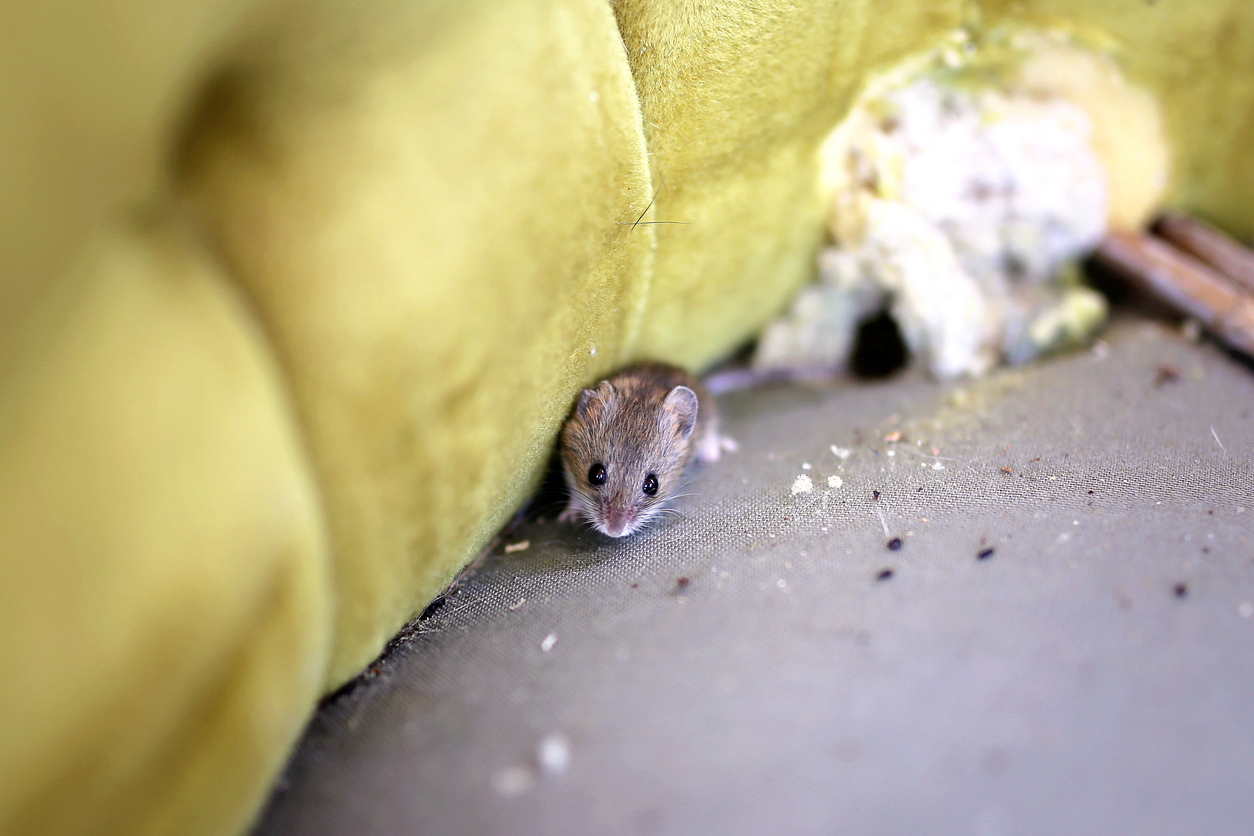
Unfortunately, when it comes to mice, a single sighting is often the tip of the iceberg. House mice are social, reproduce quickly, and are experts at staying out of sight. If you’ve seen one, there’s a strong chance more are hiding in wall voids, under appliances, or up in the attic.
How Do I Know It’s Not Just One Mouse?
When you’re trying to decide whether you’ve got just one mouse or a bigger issue, pay attention to the evidence they leave behind. These common signs suggest you’re dealing with an actual infestation:
-
Droppings: Small, dark pellets roughly the size and shape of a grain of rice, often found under sinks, along baseboards, or inside drawers.
-
Gnaw marks: Tiny, linear chew marks on food packaging, wires, baseboards, or wooden structures.
-
Noises at night: Scratching, scurrying, or rustling sounds in walls, ceilings, or under cabinets after dark.
-
Grease or “rub” marks: Smudges along walls and floor edges where mice repeatedly run the same paths.
-
Musky odor: A stale, unpleasant smell, especially in enclosed spaces like closets, crawlspaces, or behind appliances.
-
Nesting material: Shredded paper, insulation, cardboard, or fabric gathered into small, hidden nests.
If you’re noticing several of these signs, it’s unlikely you’re dealing with just one mouse passing through.
Why One Mouse Is Still a Big Problem
Even a single mouse can put your family’s or customers’ health at risk. Mouse droppings and urine can contain harmful bacteria like E. coli and Salmonella, which are known to cause foodborne illness. They don’t have to leave big puddles either—mice constantly dribble tiny microdroplets of urine as they travel, potentially spreading pathogens over counters, pantry shelves, and storage areas.
Mice can also carry diseases such as Leptospirosis and Hantavirus Pulmonary Syndrome (HPS), which is why rodent issues are considered a public health concern, not just a nuisance.
Once mice get comfortable indoors, they can multiply quickly. A single female house mouse can have 5–10 litters per year, and each litter may contain several pups. That “just one mouse” you saw can turn into a sizeable population faster than most people realize.
For more about how Franklin protects homes from rodents, check out our Mice & Rat Solutions page.
Real-Life Scenarios: Home vs. Restaurant
Mice cause trouble in any setting, but the stakes can look a little different in a residential kitchen compared to a commercial one. Here are two realistic scenarios:
In a Home Kitchen
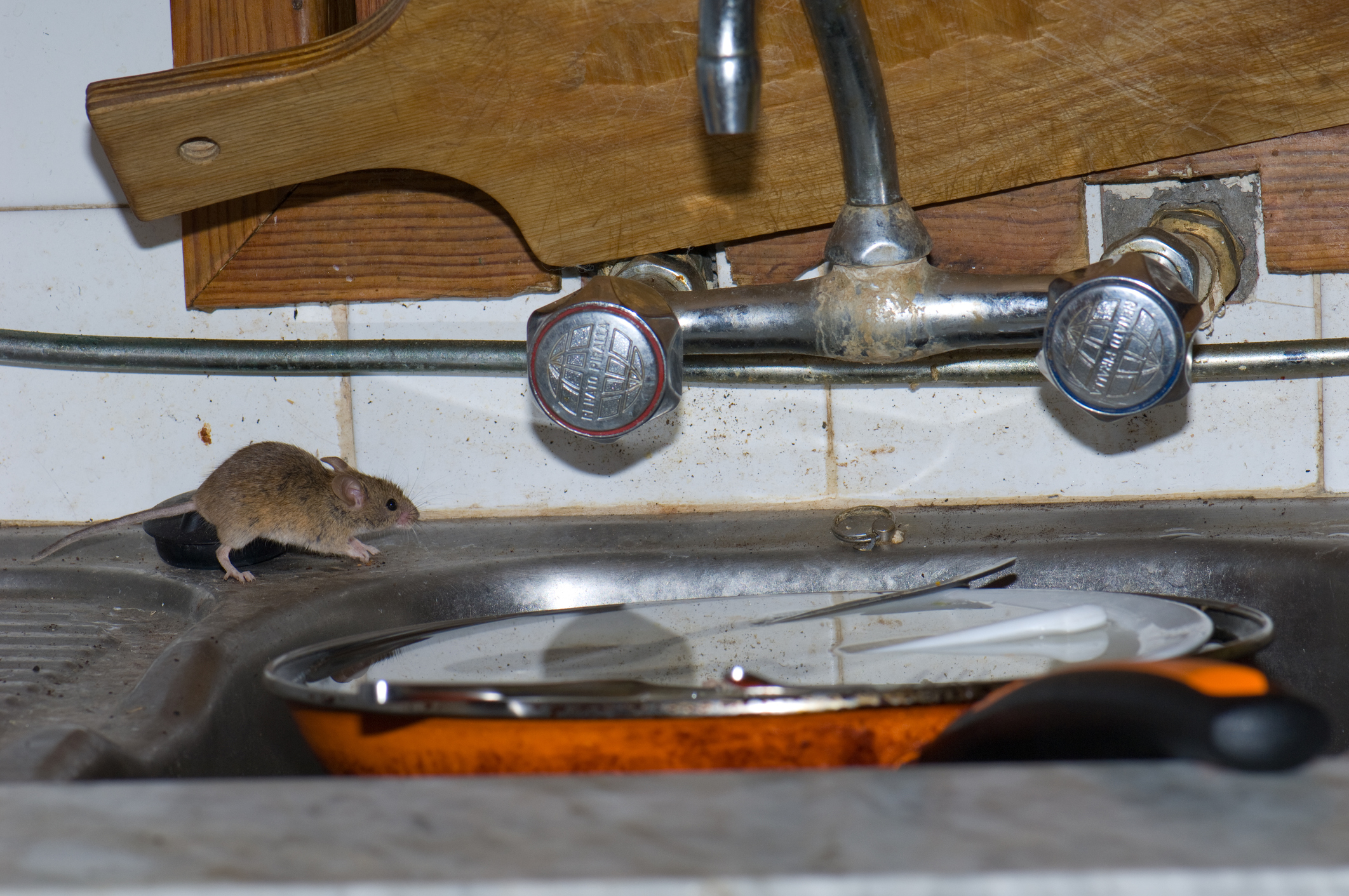
You open the pantry and notice a cereal box with chewed corners or a bag of pet food that looks torn. Later that night, you hear faint scratching behind the stove and in the morning, you find droppings around your dog’s food bowl.
Even if you’ve only seen one mouse—or haven’t seen one at all—ongoing signs like these usually mean there’s a nest somewhere nearby and more mice are active when the house is quiet.
In a Restaurant Kitchen

Overnight security footage catches a single mouse darting across the floor near the prep area. By the time staff arrives in the morning, there are droppings in dry storage and gnaw marks on bulk packaging.
In food service, even one mouse is a serious red flag. It can lead to health-code violations, potential closures, negative reviews, and a damaged reputation.
Franklin helps protect restaurants and bars with tailored solutions—learn more on our Restaurant Pest Control page.
Mouse FAQ
How did a mouse get into my house?
Mice are incredibly good at squeezing through small openings—gaps the size of a dime are big enough for them to slip through. Common entry points include:
-
Gaps under exterior doors
-
Openings around utility lines and pipes
-
Cracks in foundations
-
Damaged dryer vents or torn screens
When the weather cools down, warm, food-filled structures become especially attractive to them. Check out this other blog post for more!
What are the signs that I have a mouse infestation?
Some of the biggest indicators include:
-
Fresh droppings appearing after you’ve cleaned
-
New gnaw marks on food or building materials
-
Shredded materials (paper, insulation, fabric) stuffed into corners
-
Nighttime scratching or scampering sounds
-
A persistent, musty odor in certain areas
If you’re repeatedly noticing these issues, it’s likely more than just one mouse.
Are mice dangerous?
They can be. Mice:
-
Contaminate food and food-contact surfaces
-
Spread bacteria and other pathogens
-
Trigger allergies or asthma in sensitive individuals
-
Chew on wiring, which can increase fire risk
Because of these risks, it’s important to deal with mouse activity quickly and thoroughly, rather than waiting to see if it “goes away on its own.”

How can I keep mice from getting in?
A combination of exclusion and sanitation goes a long way:
-
Seal gaps and cracks around the outside of your home or business
-
Repair torn screens and install door sweeps
-
Store food (including pet food) in sturdy, airtight containers
-
Clean up crumbs and spills promptly
-
Keep trash lids closed and garbage stored away from exterior doors
Professional inspections and ongoing service can help you stay ahead of rodent problems all year long. Franklin’s technicians use an integrated approach to identify entry points, remove activity, and help prevent future issues.
The Bottom Line
Whether you spot a critter at home or notice activity in a commercial kitchen, don’t shrug it off as just one mouse. A quick, informed response is the best way to protect your health, your property, and your peace of mind.
Think you’re seeing signs of mice?
Request a free quote from Franklin Pest Solutions or call 1-800-GOT-PESTS? today so we can help make sure “just one mouse” doesn’t turn into a full-blown infestation.