
A guide to summer spiders, by Allison Beach, BCE-Intern
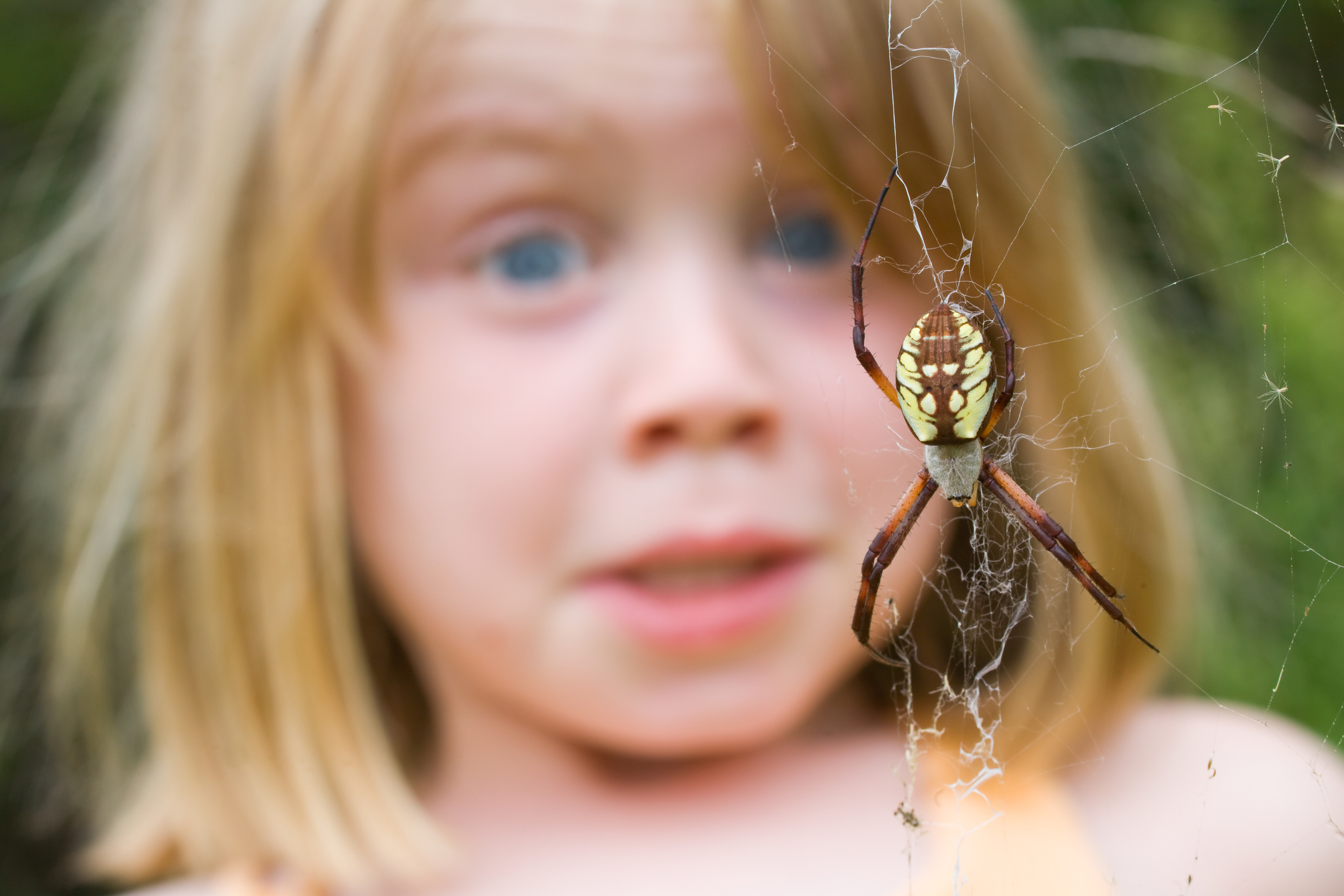
Why Am I Finding So Many Spider Webs Around My House This Summer?
Every summer it seems to happen overnight.
You head outside to grab the newspaper, let the dog out, or water the flowers, only to walk straight through a freshly spun spider web.
If you’ve been noticing more spider webs around your porch, deck, landscaping, or garage lately, you’re not alone whatsoever. Spider activity reaches its peak during the warm summer months across Indiana, Southwest Michigan, and the Greater Louisville region.
The good news? Seeing more webs doesn’t necessarily mean your home has a spider infestation. More often, it’s a sign that spiders have found plenty of insects to feed on nearby.
Summer Is Prime Spider Season
Spiders become much more active as temperatures rise because their food supply explodes during summer.
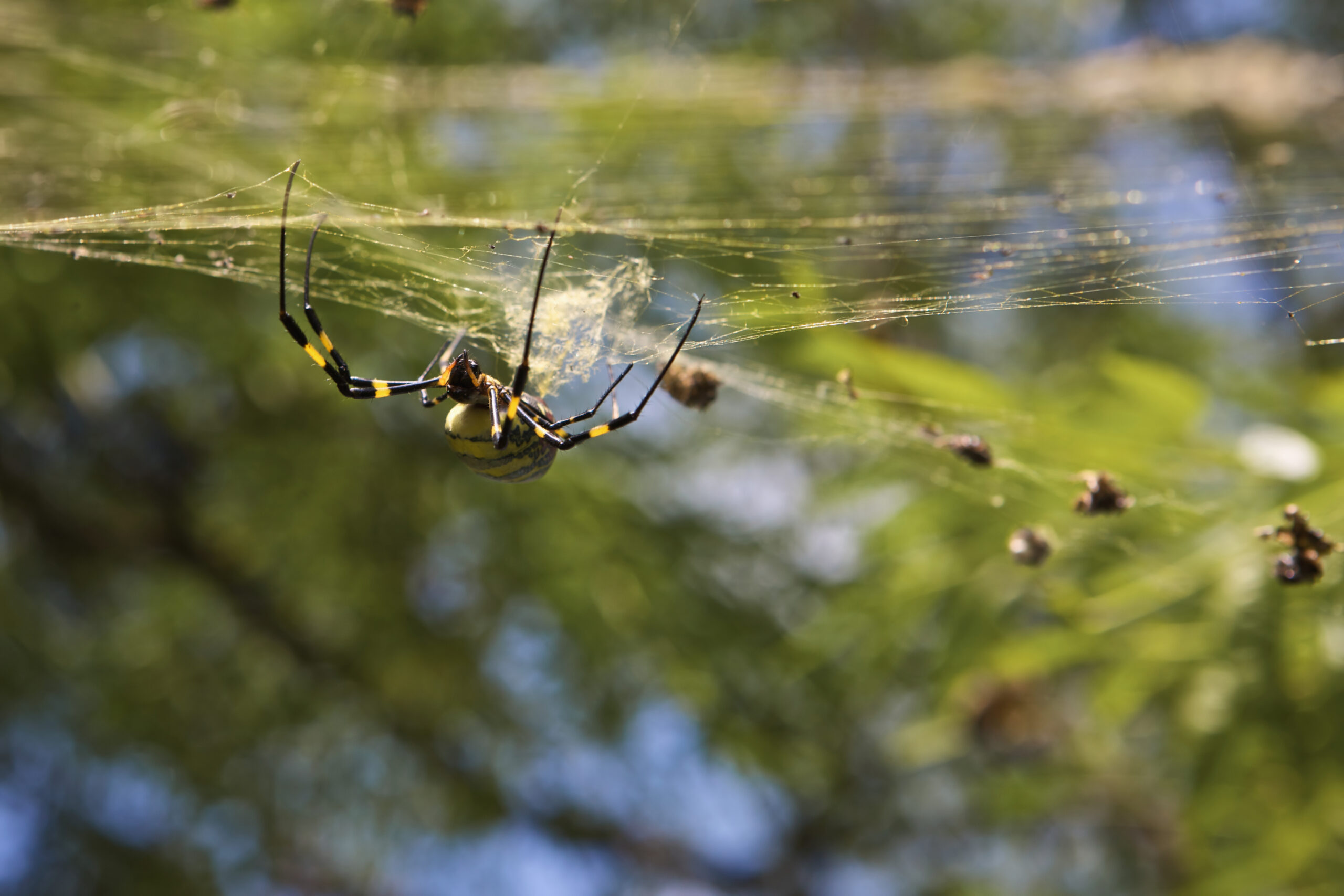
Mosquitoes, flies, moths, gnats, beetles, and countless other insects are abundant this time of year. Wherever these insects gather, spiders are usually close behind.
Many species build their webs at night while hunting is at its best. By sunrise, a large web may seem to have appeared out of nowhere.
This is why homeowners frequently discover webs stretched across:
- Front porches
- Walkways
- Deck railings
- Mailboxes
- Patio furniture
- Shrubs and ornamental trees
- Garages and sheds
Spider Webs Mean Food Is Nearby
Spiders don’t build webs randomly. A web is carefully placed where flying or crawling insects are most likely to pass. If webs continue appearing in the same location, it’s usually because that area attracts insects every evening.
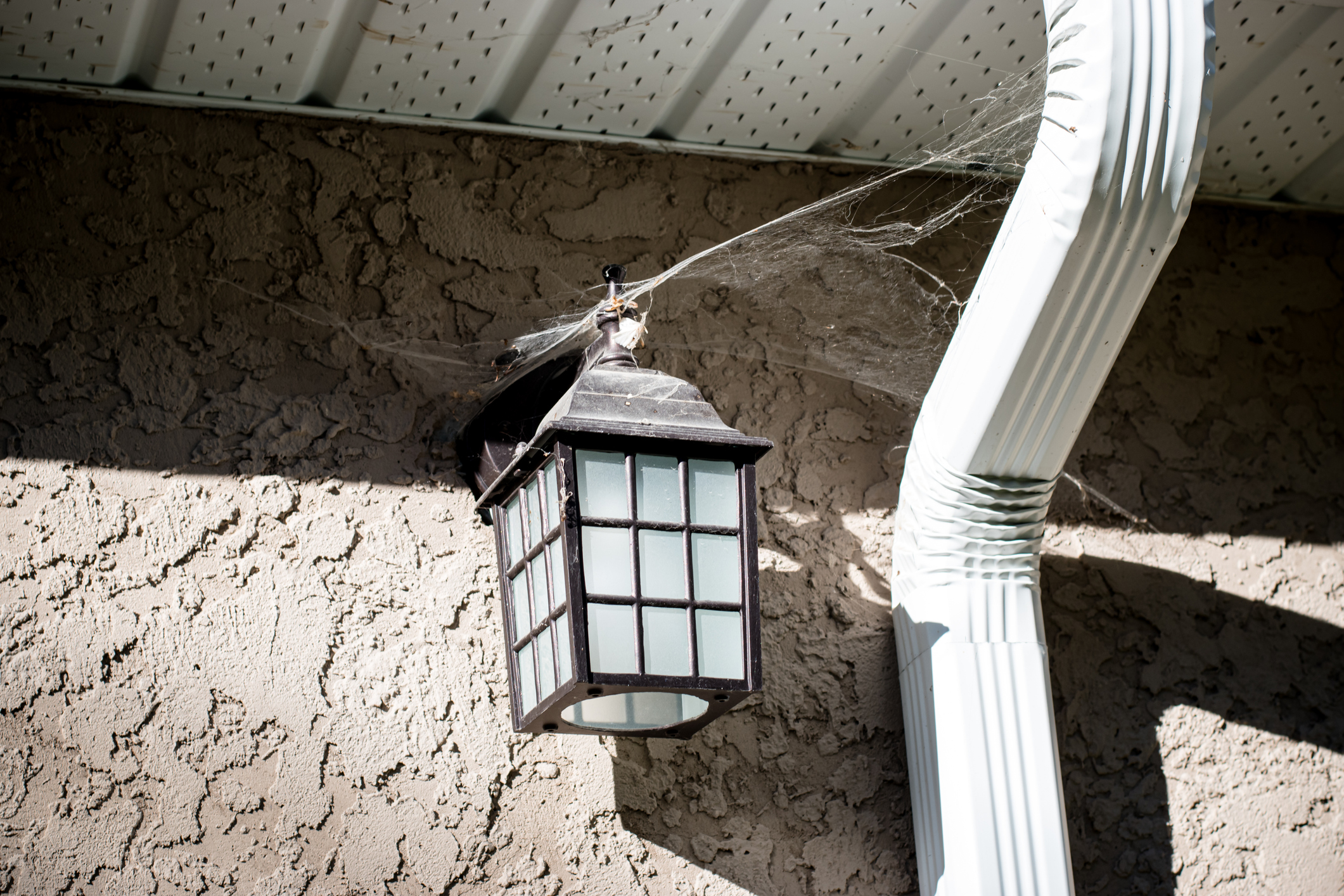
Common reasons include:
- Porch lights that attract flying insects
- Moist landscaping
- Dense shrubs
- Standing water that increases mosquito activity
- Flowering plants visited by pollinators
- Exterior lighting around garages and entryways
From a spider’s perspective, your porch might simply be the perfect place to catch dinner.
Not Every Spider Builds a Web
Many homeowners are surprised to learn that some of our most common spiders don’t rely on webs at all.
Orb Weavers
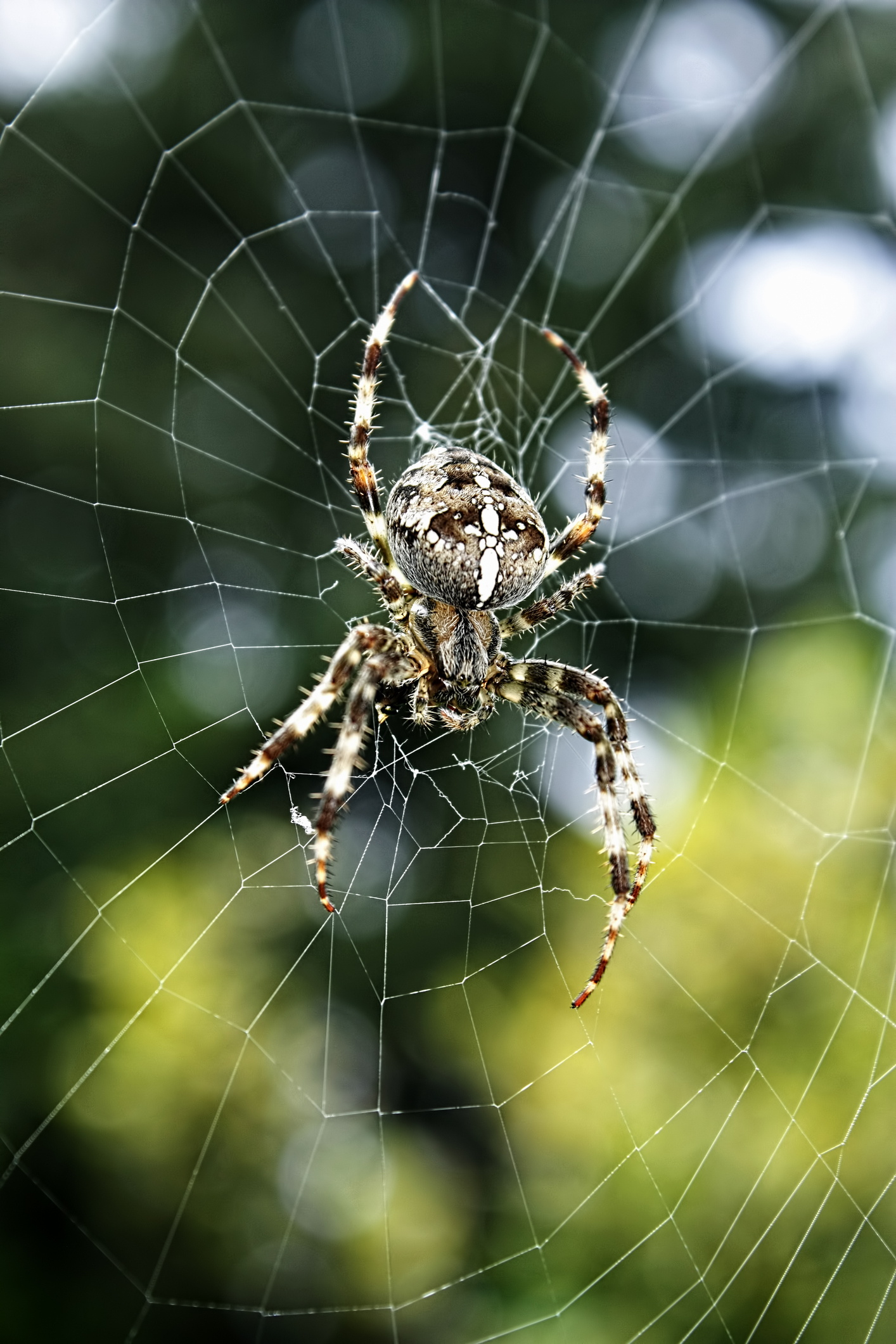
Orb weavers create the large circular webs that often stretch across gardens, decks, and between trees. They are most noticeable later in summer and are considered beneficial predators. They usually hang upside down in their webs.
Yellow Sac Spiders
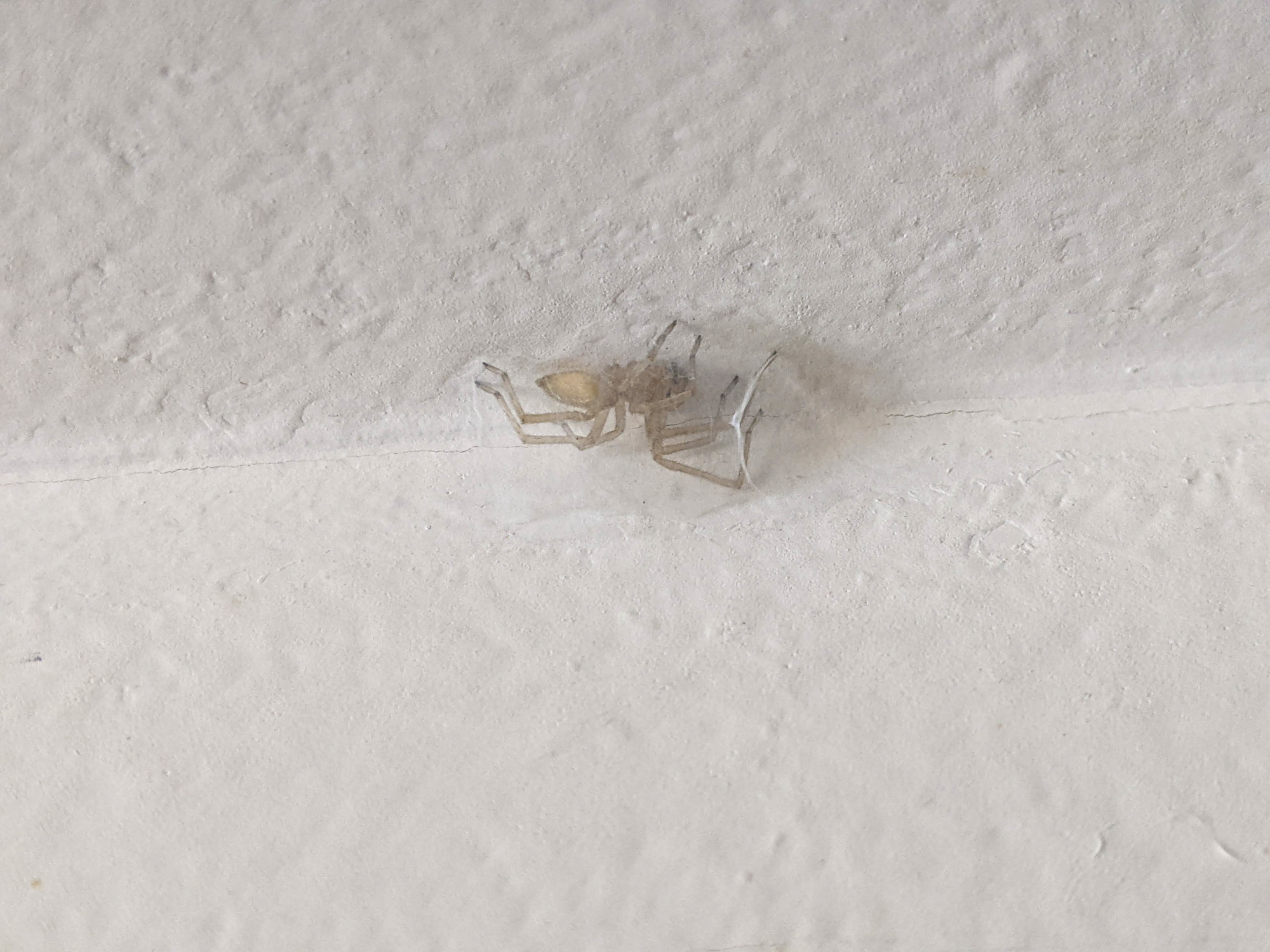
Unlike spiders that build large, highly visible webs, yellow sac spiders create small silk retreats tucked into protected areas during the day. You may find these silken sacs up in the corners of the ceiling and walls, or hiding in linens. At night, they leave these shelters to actively hunt insects rather than waiting in a web. Their presence often indicates there’s a steady supply of insect prey around your home.
This is the kind of spider that will hide in between towel folds, clothing in closets, and crevices in rooms where there is not a lot of human activity. They’re common in lake houses, so it’s a good idea to practice a healthy shaking of a towel before using it to avoid an unexpected bite.
House Spiders
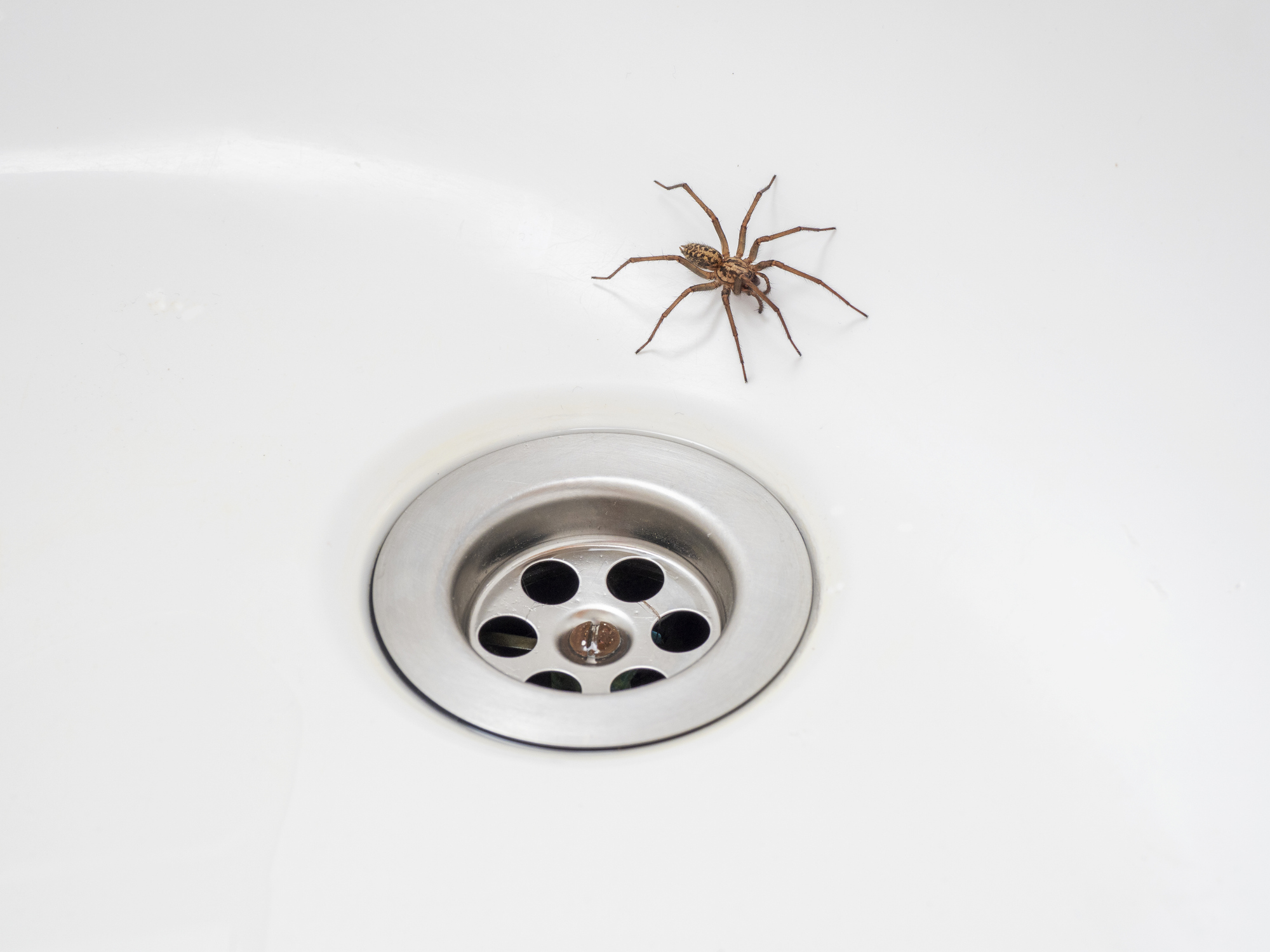
House spiders prefer quiet indoor spaces like basements, crawl spaces, garages, and storage rooms where they build irregular cobwebs. They may be spotted in bathrooms, where moisture attracts prey they may feast on.
Wolf Spiders
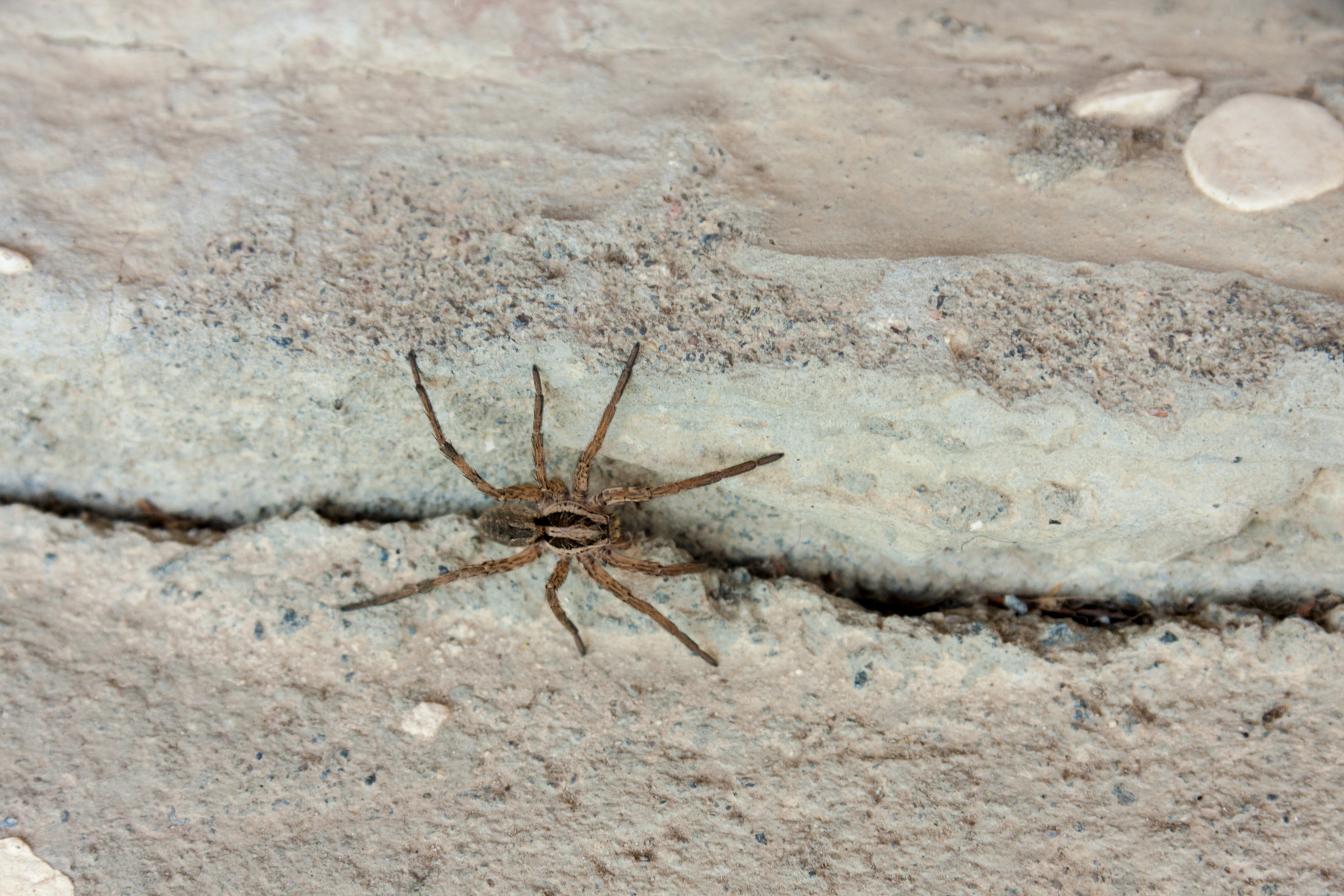
Unlike web-building spiders, wolf spiders actively hunt insects on foot. They may wander indoors occasionally but don’t create webs to catch prey.
Are the Spiders I’m Seeing Dangerous?
For most homeowners, the answer is no. The vast majority of spiders found throughout Indiana, Southwest Michigan, and the Greater Louisville region are harmless and prefer to avoid people. Spider bites are uncommon and usually occur only if a spider becomes trapped against the skin or feels threatened.
One spider that often comes up in conversation is the brown recluse. While brown recluse spiders do occur in parts of the Midwest, they are much less common than many people think, and many suspected sightings or bites turn out to involve other spider species instead.
A spider you’re actually more likely to encounter around your home is the yellow sac spider. These pale yellow or cream-colored spiders don’t build traditional webs to catch prey. Instead, they hide in small silk retreats during the day and hunt insects at night. Although bites are still uncommon, yellow sac spiders are considered one of the more medically significant spiders in our region because their bites can be painful and may cause localized redness, swelling, or irritation in some individuals.
Even so, serious reactions are rare, and most spiders provide an important benefit by helping reduce populations of mosquitoes, flies, moths, and other nuisance insects around your property.
How to Reduce Spider Webs Around Your Home
You may not be able to eliminate every spider outdoors, but you can make your property less inviting.
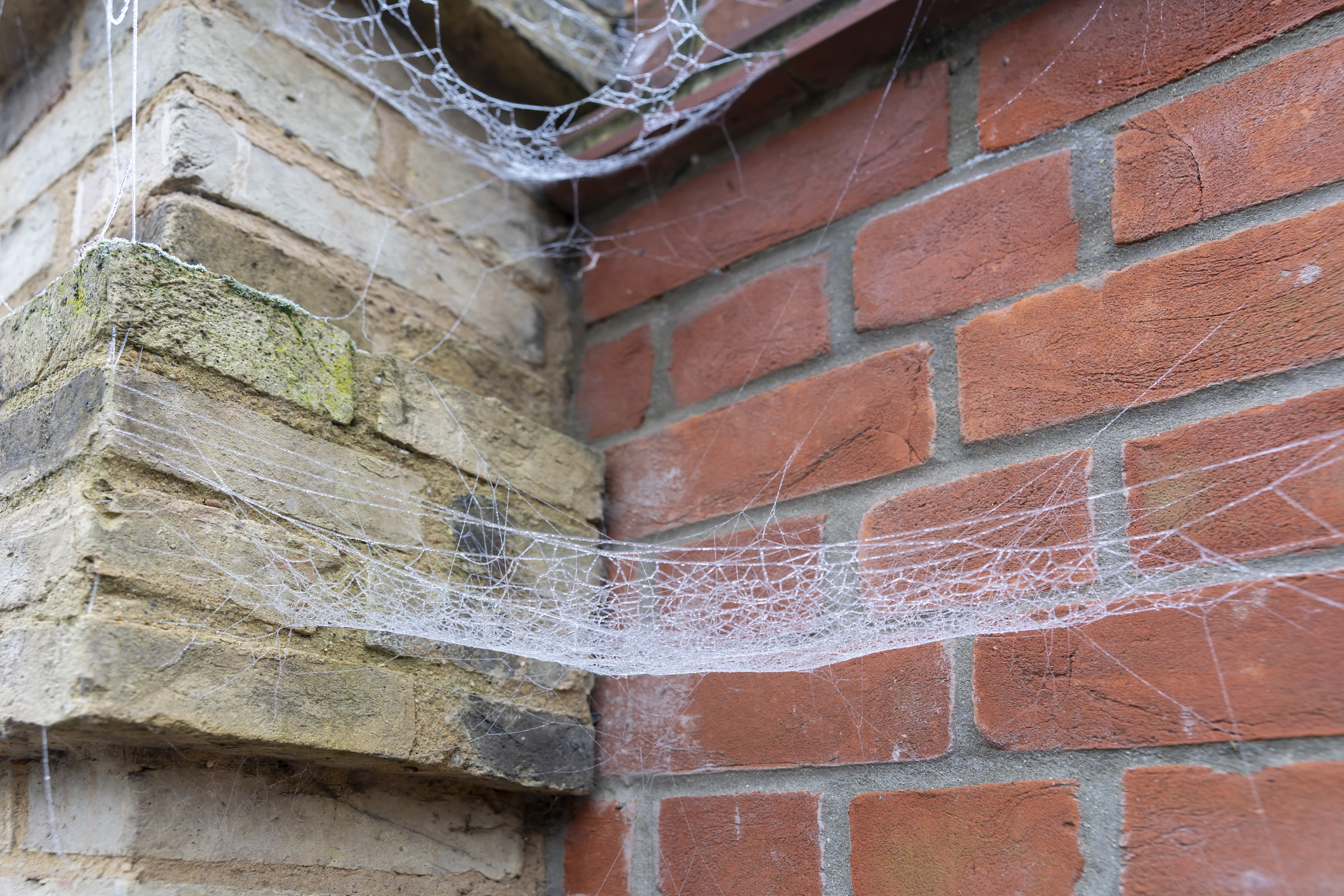
Try these simple prevention tips:
- Regularly remove webs with a broom or hose.
- Trim shrubs and tree branches away from your home’s exterior.
- Reduce outdoor lighting or switch to warm yellow “bug” bulbs that attract fewer insects.
- Keep mulch, leaves, and yard debris away from the foundation.
- Repair damaged window screens and seal cracks around doors and windows.
- Reduce excess moisture around your home whenever possible.
Perhaps most importantly, controlling the insects around your property often leads to fewer spiders over time because their primary food source disappears.
When Should You Call a Professional?
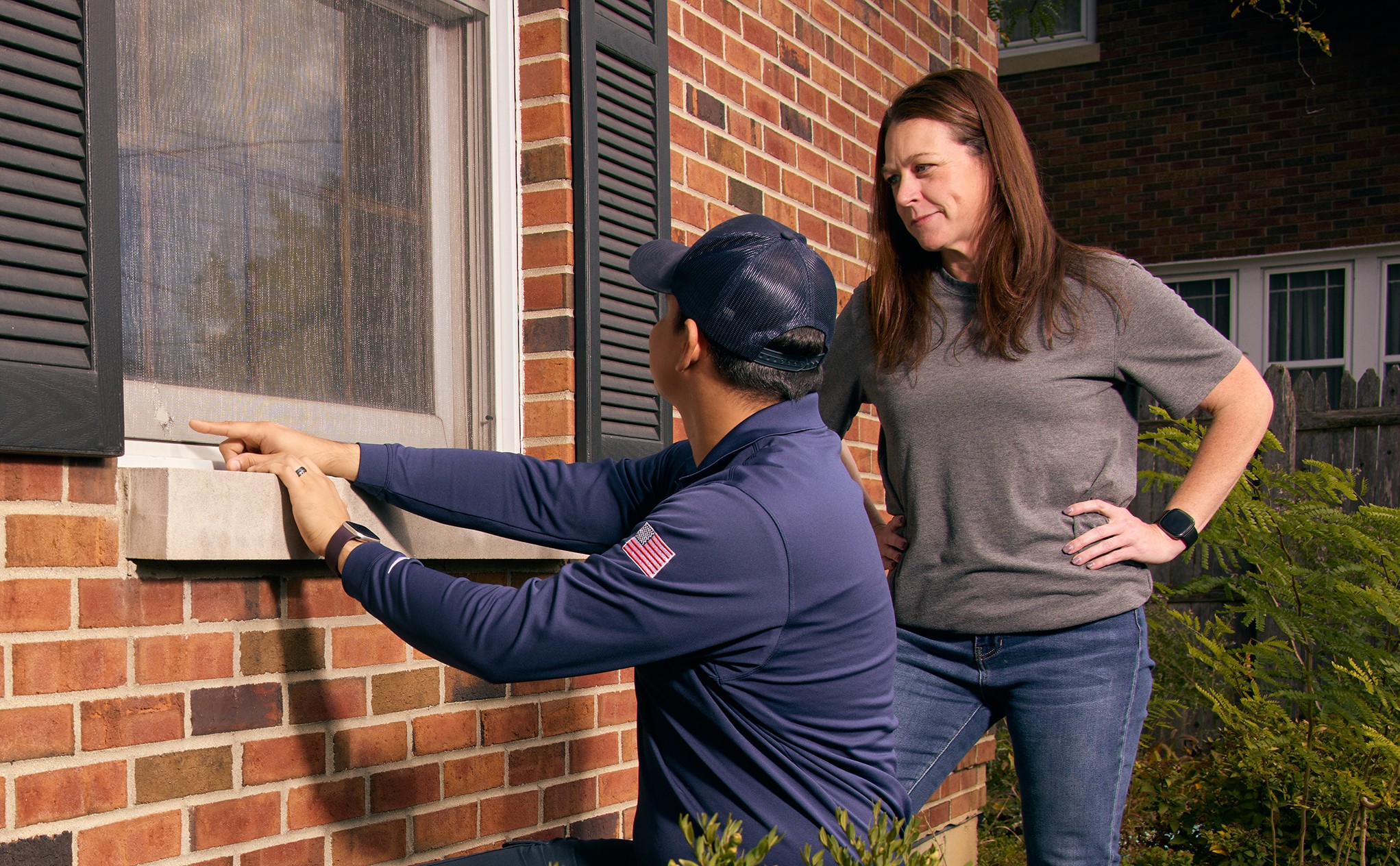
Finding an occasional web outside is perfectly normal during summer. However, professional spider control may be worthwhile if you notice:
- Large numbers of spiders around entryways
- Heavy web buildup returning within days
- Frequent spiders inside your home
- Egg sacs around windows, garages, or basements
- Spider activity combined with high numbers of other insects
An experienced pest management professional can identify the conditions attracting spiders and develop a treatment plan that addresses both the spiders and the insects they’re feeding on.
Franklin Pest Solutions Can Help
At Franklin Pest Solutions, we know that spiders are often a symptom of a larger insect problem. Our comprehensive pest management programs focus on reducing the conditions that attract spiders while helping control the insects that keep them around.

Whether you’re dealing with webs covering your porch every morning or spiders finding their way indoors, our team can inspect your property, identify contributing factors, and recommend a customized treatment plan.
Ready to enjoy your outdoor spaces again? Contact Franklin Pest Solutions today for a free quote and discover how our program can help keep spiders and other seasonal pests under control.