
Written by Franklin Pest Solutions’ Technical Specialist, Allison Beach, B.C.E.-Intern
Cold weather makes most people think pest season is over. Once winter sets in, it feels like insects and rodents should disappear until spring. That is why discovering a stink bug crawling across the wall in February or noticing a slow moving fly near a sunny window in January can be so surprising.
The reality is much simpler than most homeowners realize.
Seeing pests during winter is not a sign of poor housekeeping. It is a sign that your home is providing the warmth and protection they need to survive!
When outdoor temperatures drop, houses become ideal shelters. Heated interiors, insulated walls, attics, and crawl spaces offer stable conditions that help certain pests ride out the winter months undetected. Many remain hidden and inactive, waiting for subtle changes in light and temperature to trigger movement again.
Why You Are Seeing Pests Inside During Winter
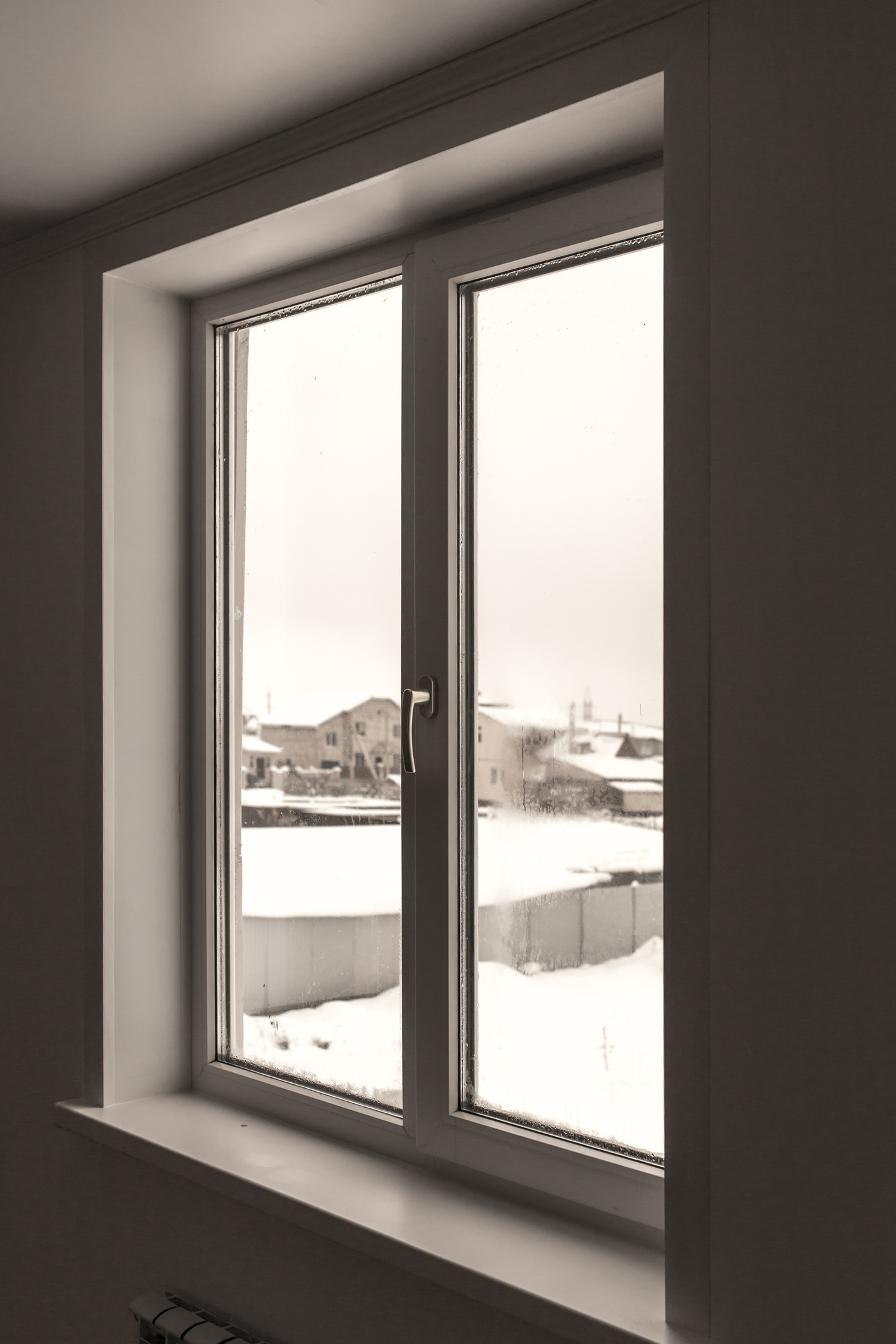
Most winter pest sightings happen for one of two main reasons.
Some pests entered the home during the fall and are now overwintering inside the structure. They are not continuing to come in from outside. Instead, they are already settled within protected areas such as wall voids, attics, crawl spaces, and gaps around vents or utility lines. These sheltered spaces protect them from freezing temperatures and allow them to remain inactive for long stretches of time. Dormant pests are not dead. They are conserving energy and waiting for environmental cues. When indoor heat rises or sunlight warms exterior walls, it can simulate spring conditions and trigger movement, prompting them to leave their hiding spots and wander into living areas.
Other pests move indoors during winter because they cannot tolerate freezing temperatures outside. Unlike overwintering insects, these pests remain active once inside. As a result, they may be more noticeable throughout the colder months.
Why Stink Bugs Appear Inside in Winter
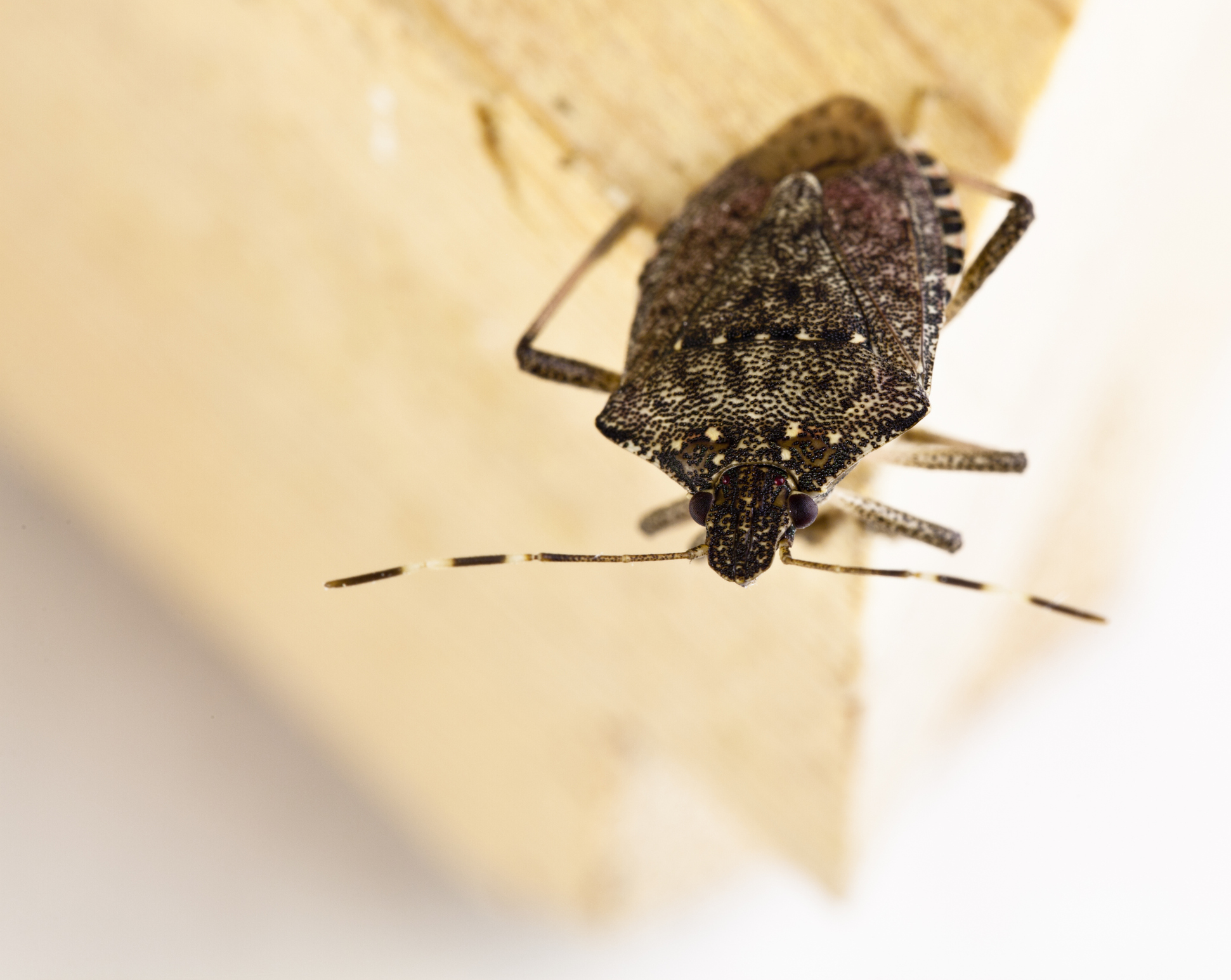
Stink bugs are among the most frequently noticed overwintering pests in winter. During the fall, they slip inside through tiny cracks and gaps around a home’s exterior and settle into protected spaces like wall voids and attics to ride out the cold. As indoor temperatures rise or sunlight warms the structure, they can become active again and instinctively move toward light sources. Homeowners often spot them slowly crawling across walls or gathering near windows. Although they can release an unpleasant odor if disturbed, finding one or two during the winter months is common and typically does not mean there is a larger infestation inside the home.
Why Flies Gather Near Windows in Winter
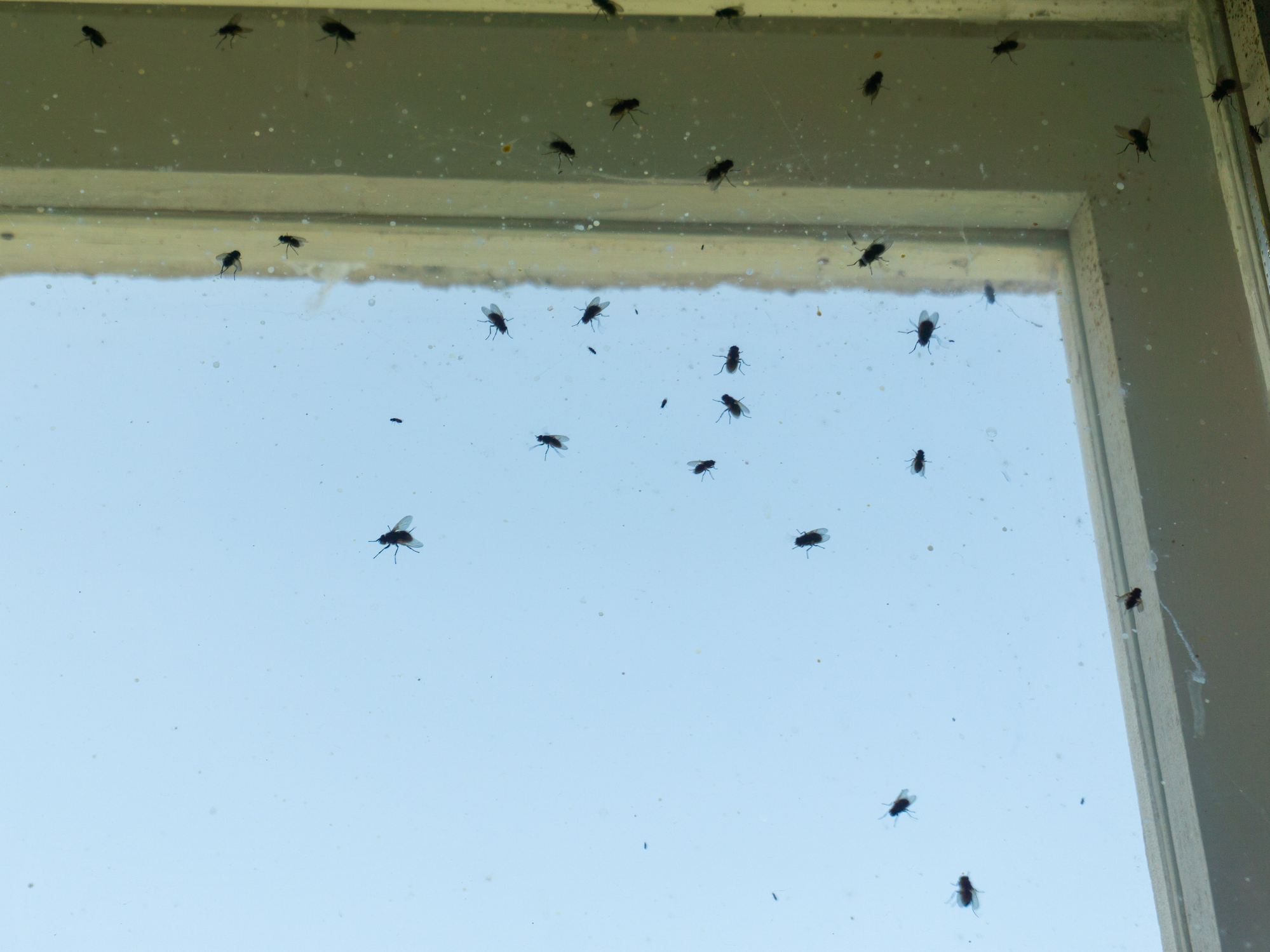
Flies spotted indoors during the winter are often cluster flies that made their way inside months earlier. After entering in late summer or fall, they tuck themselves into wall voids and attic spaces where they remain inactive until warmth and light trigger movement. When they become active again, they instinctively head toward sunlight and heat, which is why they are commonly found moving slowly along windows or gathering near light sources. Their appearance during winter does not automatically signal a sanitation problem. In most cases, it is simply a result of their natural overwintering behavior rather than an issue with cleanliness.
The good news: overwintering pests like stink bugs and cluster flies are more of a nuisance than a serious threat. They will not feed, breed, or develop any further once they are indoors. They will not chew through wood or wiring. However, they can:
- Stain walls, curtains, and upholstery
- Release unpleasant defensive odors when disturbed
- Accumulate in large, frustrating numbers
- Trigger mild allergic reactions in sensitive individuals
Spiders in Your House During Winter
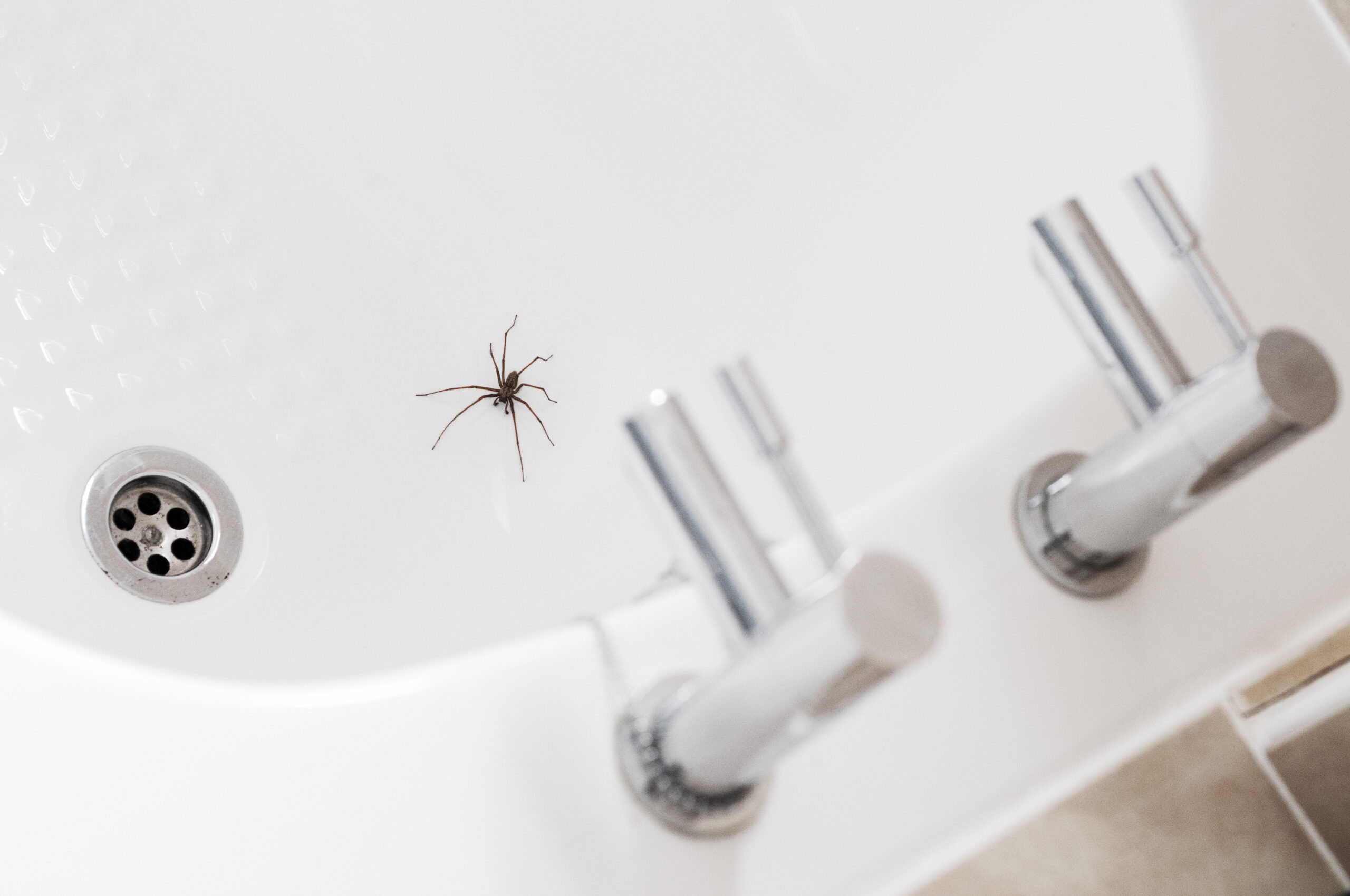
Spiders often become more noticeable in winter for several reasons:
- Insects that move indoors during colder months can attract spiders searching for food
- Spending more time inside during winter makes it easier to notice spiders that were already present
Most spiders are harmless and help reduce other pest populations. However, an increase in spider activity can signal that other insects are living somewhere in the home, even if you do not see them directly.
Rodents in Your Home During Winter
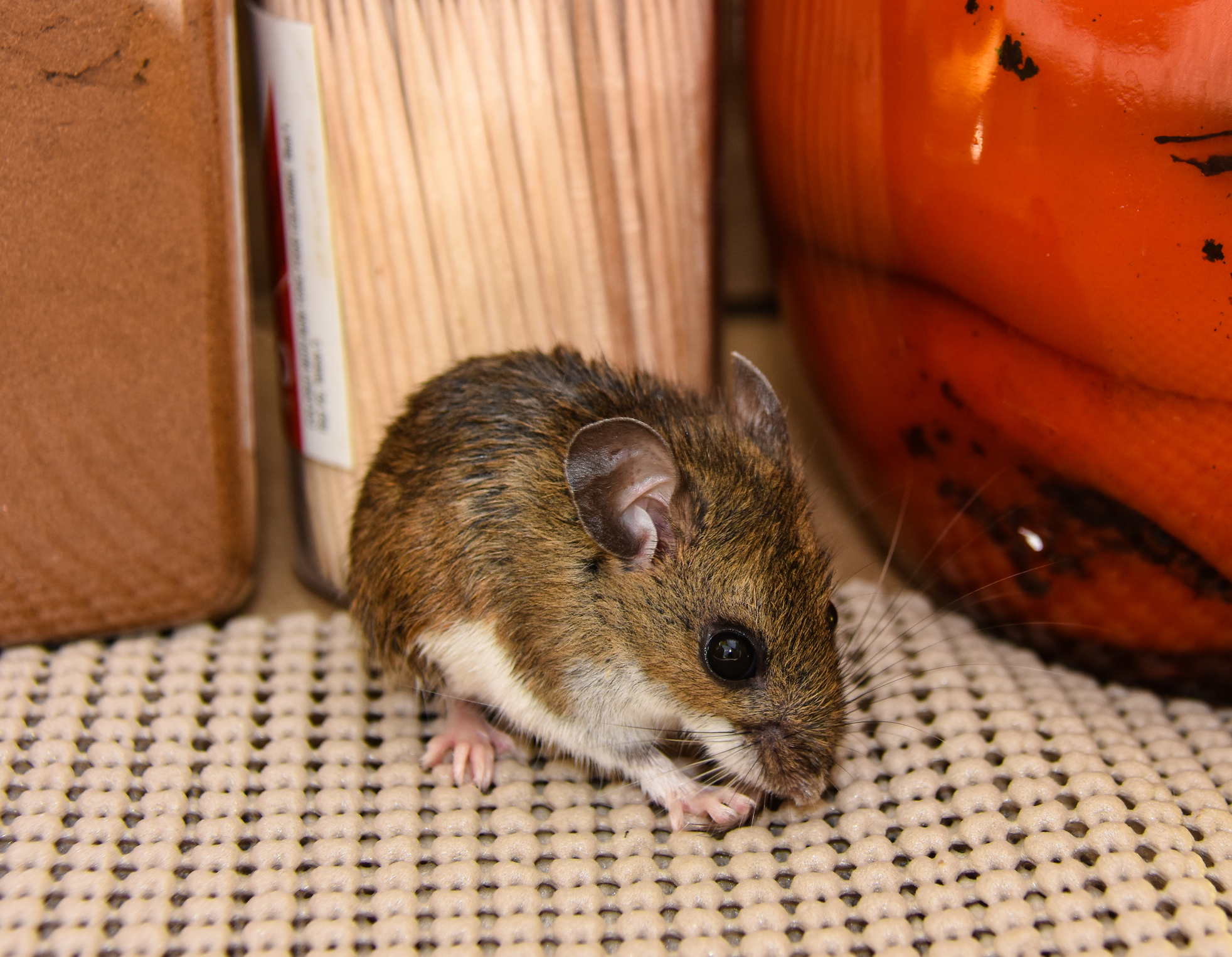
Rodents are one of the most serious winter pests for Midwest homeowners. As temperatures drop, mice and rats move indoors in search of warmth, shelter, and reliable food sources. Unlike overwintering insects, rodents do not become dormant once inside. They remain active, building nests, reproducing, and traveling throughout the structure of the home. Along the way, they can tear up insulation, chew through wiring, contaminate surfaces, and introduce disease risks.
Rodents are not simply a nuisance. They present a legitimate public health concern and should be addressed promptly. For more detailed information about rodent behavior and health risks, visit the Franklin pest library and rodent blog posts.
Steps to Take Against Winter Pests Now
Taking steps during the winter months can significantly reduce current pest activity and help prevent larger problems when temperatures rise.
- Seal gaps around doors, windows, and utility entry points
- Limit clutter in basements, attics, and storage areas where pests can hide
- Keep food stored in tightly sealed containers
- Vacuum small insects promptly to help reduce their numbers
- Monitor for repeat sightings, scratching sounds, or other unusual activity
Winter is actually one of the most strategic times to identify and address pest concerns, before warmer weather and longer daylight hours trigger increased movement and reproduction.
Schedule Your Winter Pest Inspection Today
Noticing pests during the winter does not mean you have done anything wrong. In most cases, it simply means your home is providing warmth and shelter!
A professional inspection can help determine whether what you are seeing is a temporary seasonal issue or the early signs of a larger concern. Taking action now can reduce the risk of heavier activity when temperatures rise.
Schedule your inspection today to prevent winter pests from turning into a spring infestation.